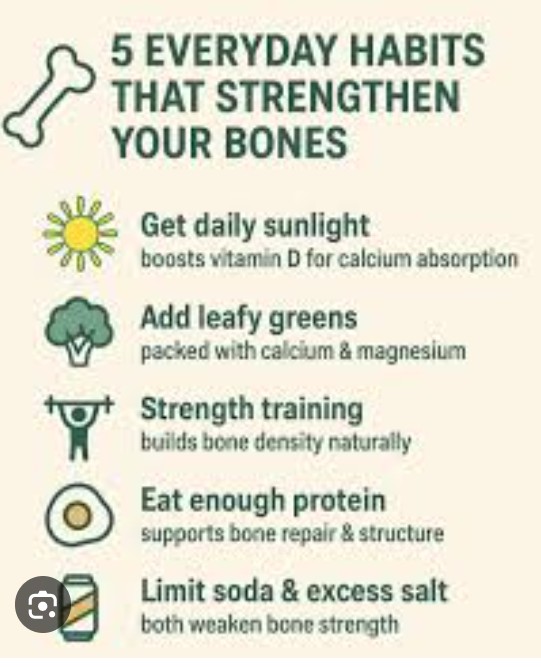
Everyday habits for stronger bones
Bone health changes over time, but everyday habits can make a meaningful difference. While some risk factors for osteoporosis cannot be changed, others can be addressed through practical steps that help maintain bone strength and lower the risk of fractures. From staying active to reviewing certain medications with your doctor, a few consistent habits can support long-term mobility and independence.
- Stay active with weight-bearing and strength-building exercise: Regular physical activity supports bone health at every age. Weight-bearing activities such as walking and strength training help maintain bone density while improving balance and stability. Staying active can also reduce the deconditioning that increases the risk of falls over time.
- Aim for a healthy weight: Being significantly underweight or losing weight in an unhealthy way can affect bone health. At the same time, excess weight may also contribute to falls and other health concerns. The goal is not to weigh too much or too little, but to maintain a healthy weight for your age, height and overall health needs.
- Avoid smoking: Smoking affects more than the lungs and heart — it also affects bone health. It can interfere with hormones involved in bone maintenance, disrupt calcium absorption and contribute to bone loss over time. Quitting smoking can help slow that process, even later in life.
- Limit alcohol: Over time, too much alcohol can weaken bones and increase the risk of fractures. It may also affect balance, which can make falls more likely. Limiting alcohol is one practical step that supports both bone strength and overall health.
- Review medications and health conditions with your doctor: Some medications and medical conditions can affect bone health or increase fracture risk. If you take corticosteroids or other long-term medications — or have conditions that affect nutrient absorption, hormone levels or mobility — it may be worth discussing bone health with your doctor. This can help guide your next steps.
These habits are a strong place to start.