Don’t forget about your pets in the Summer and Disasters!
Prepare Your Pets for Disasters
Your pets are an important member of your family, so they need to be included in your family’s emergency plan. To prepare for the unexpected follow these tips with your pets in mind:
- Make a plan.
- Build an emergency kit.
- Stay informed.
Make a Plan
If you have a plan in place for you and your pets, you will likely encounter less difficulty, stress and worry when you need to make a decision during an emergency. If local officials ask you to evacuate, that means your pet should evacuate too. If you leave your pets behind, they may end up lost, injured or worse.
Things to include in your plan:
- Have an evacuation plan for your pet. Many public shelters and hotels do not allow pets inside. Know a safe place where you can take your pets before disasters and emergencies happen.
- Develop a buddy system. Plan with neighbors, friends or relatives to make sure that someone is available to care for or evacuate your pets if you are unable to do so.
- Have your pet micro-chipped. Make sure to keep your address and phone number up-to-date and include contact information for an emergency contact outside of your immediate area.
- Contact your local emergency management office, animal shelter or animal control office to get additional advice and information if you’re unsure how to care for your pet in case of an emergency.
Build a Kit for Your Pet
Just as you do with your family’s emergency supply kit, think first about the basics for survival, such as food and water. Have two kits, one larger kit if you are sheltering in place and one lightweight version for if you need to evacuate. Review your kits regularly to ensure that their contents, especially foods and medicines, are fresh.
Here are some items you may want to include in an emergency kit for your pet:Image
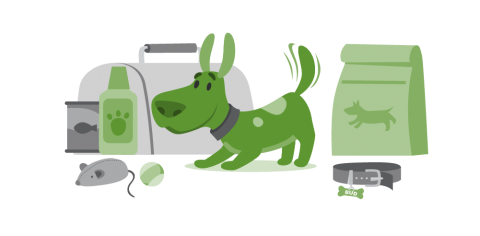
- Food. Keep several days’ supply of food in an airtight, waterproof container.
- Water. Store a water bowl and several days’ supply of water.
- Medicine. Keep an extra supply of the medicine your pet takes on a regular basis in a waterproof container.
- First aid kit. Talk to your veterinarian about what is most appropriate for your pet’s emergency medical needs.
- Collar with ID tag and a harness or leash. Include a backup leash, collar and ID tag. Have copies of your pet’s registration information and other relevant documents in a waterproof container and available electronically.
- Traveling bag, crate or sturdy carrier, ideally one for each pet.
- Grooming items. Pet shampoo, conditioner and other items, in case your pet needs some cleaning up.
- Sanitation needs. Include pet litter and litter box (if appropriate), newspapers, paper towels, plastic trash bags and household chlorine bleach to provide for your pet’s sanitation needs.
- A picture of you and your pet together. If you become separated from your pet during an emergency, a picture of you and your pet together will help you document ownership and allow others to assist you in identifying your pet.
- Familiar items. Put favorite toys, treats or bedding in your kit. Familiar items can help reduce stress for your pet.
Tips for Large Animals
If you have pets such as horses, goats or pigs on your property, be sure to prepare before a disaster.
In addition to the tips above:
- Ensure all animals have some form of identification.
- Evacuate animals earlier, whenever possible. Map out primary and secondary routes in advance.
- Make available vehicles and trailers needed for transporting and supporting each type of animal. Also make available experienced handlers and drivers.
- Ensure destinations have food, water, veterinary care and handling equipment.
- If evacuation is not possible, animal owners must decide whether to move large animals to a barn or turn them loose outside.
Stay Informed
Being prepared and staying informed of current conditions. Here are some ways you can stay informed:
- Pay attention to wireless emergency alerts for local alerts and warnings sent by state and local public safety officials.
- Listen to local officials when told to evacuate or shelter in place.
- Download the FEMA app and get weather alerts from the National Weather Service, for up to five different locations anywhere in the United States.
- Always bring pets indoors at the first sign or warning of a storm or disaster.
Keep pets safe in the heat
The summer months can be uncomfortable—even dangerous—for pets and people. It’s difficult enough simply to cope with rising temperatures, let alone thick humidity, but things really get tough in areas that are hit with the double blow of intense heat and storm-caused power outages, sometimes with tragic results.
We can help you keep your pets safe and cool this summer. Follow our tips for helping everyone in your family stay healthy while hot.
Practice basic summer safety
NEVER LEAVE YOUR PETS IN A PARKED CAR
Not even for a minute! Not even with the car running and air conditioner on. On a warm day, temperatures inside a vehicle can rise rapidly to dangerous levels. On an 85-degree day, for example, the temperature inside a car with the windows opened slightly can reach 102 degrees within 10 minutes. After 30 minutes, the temperature will reach 120 degrees. Your pet may suffer irreversible organ damage or die.
Watch the humidity
“It’s important to remember that it’s not just the ambient temperature, but also the humidity that can affect your pet,” says Dr. Barry Kellogg, VMD, of the Humane Society Veterinary Medical Association. “Animals pant to evaporate moisture from their lungs, which takes heat away from their body. If the humidity is too high, they are unable to cool themselves and their temperature will skyrocket to dangerous levels—very quickly.”
Taking a dog’s temperature will quickly tell you if there is a serious problem. Dogs’ temperatures should not reach over 104 degrees. If your dog’s temperature does, follow the instructions below for treating heat stroke.
Limit exercise on hot days
Take care when exercising your pet. Adjust intensity and duration of exercise in accordance with the temperature. On very hot days, limit exercise to early morning or evening hours, and be especially careful with pets with white-colored ears, who are more susceptible to skin cancer, and short-nosed pets, who typically have difficulty breathing. Asphalt gets very hot and can burn your pet’s paws, so walk your dog on the grass if possible. Always carry water with you to keep your dog from dehydrating.
Don’t rely on a fan
Pets respond differently to heat than humans do. (Dogs, for instance, sweat primarily through their feet.) And fans don’t cool off pets as effectively as they do people.
Provide ample shade and water
Any time your pet is outside, make sure they have protection from heat and sun and plenty of fresh, cold water. In heat waves, add ice to water when possible. Tree shade and tarps are ideal because they don’t obstruct air flow. A doghouse does not provide relief from heat—in fact, it makes it worse.
Cool your pet inside and out
Whip up a batch of quick and easy DIY pupsicles for dogs. And always provide water, whether your pets are inside or out with you.
Keep your pet from overheating indoors or out with a cooling body wrap, vest or mat. Soak these products in cool water, and they’ll stay cool (but usually dry) for up to three days. If your dog doesn’t find baths stressful, see if they enjoy a cooling soak.
Watch for signs of heatstroke
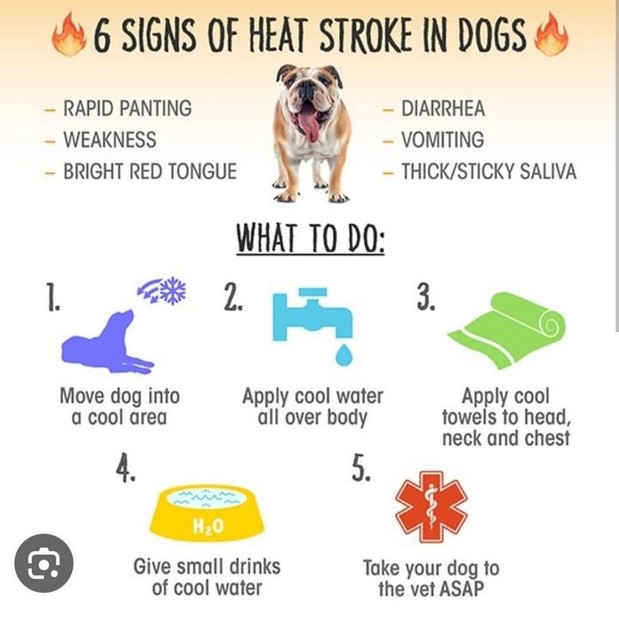
Extreme temperatures can cause heatstroke. Some signs of heatstroke are heavy panting, glazed eyes, a rapid heartbeat, difficulty breathing, excessive thirst, lethargy, fever, dizziness, lack of coordination, profuse salivation, vomiting, a deep red or purple tongue, seizure and unconsciousness.
Animals are at particular risk for heat stroke if they are very old, very young, overweight, not conditioned to prolonged exercise, or have heart or respiratory disease. Some breeds of dogs—like boxers, pugs, shih tzus and other dogs and cats with short muzzles—will have a much harder time breathing in extreme heat.
How to treat a pet suffering from heatstroke
Move your pet into the shade or an air-conditioned area. Apply ice packs or cold towels to their head, neck and chest or run cool (not cold) water over them. Let them drink small amounts of cool water or lick ice cubes. Take them directly to a veterinarian.
Prepare for power outages
Before a summer storm takes out the power in your home, create a disaster plan to keep your pets safe from heat stroke and other temperature-related trouble.