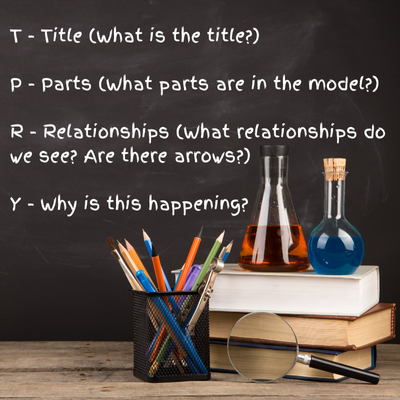
Using the TPRY strategy “To Pry” open models
Have you been thinking about science instruction lately? Are you wondering how to help students “to pry” open visuals like diagrams, graphs, and tables? TPRY is the cognitive strategy you are looking for! TPRY is a learner-owned mnemonic strategy that captures the Next Generation Science Standards (NGSS) practice of Developing and Using Models. Although it […]
Beyond the PD: How coaching supports implementation after a professional development
Professional development (PD) is the primary way in which knowledge, skills, and information are shared with teachers. The general approach to PD involves initial training; teachers are expected to take the presented information back to their respective classrooms and implement it, often with little to no follow-up (Saunders et al., 2021). This traditional model of […]

We’re growing! New assistive technology materials to inspire learning!
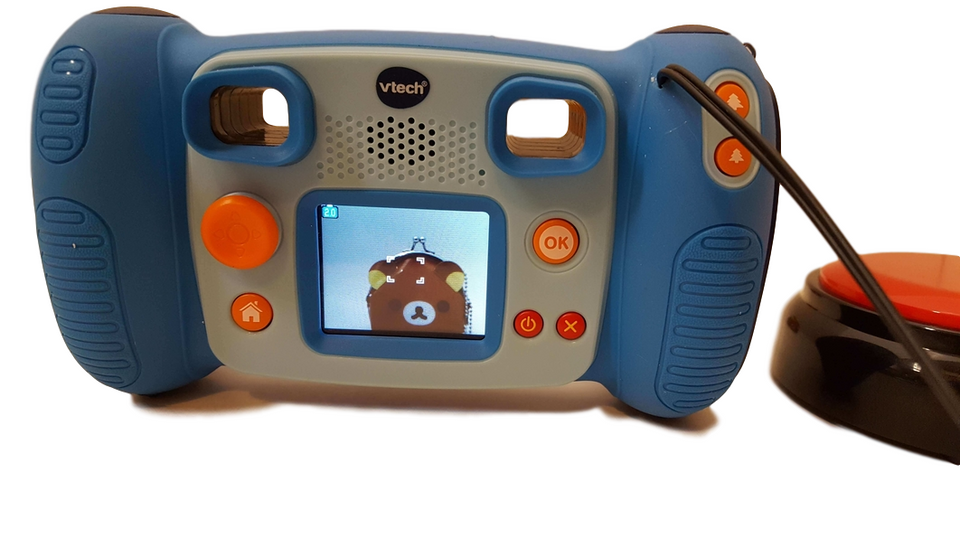
We have been listening to you! Based on your requests, we have curated more assistive technology (AT) devices for you to trial with your students of all ages. Check out these materials that were added to our library recently! Lights, Camera, Action!!! For the culinary artists in your classroom Switches, switches, and more switches!! Choosing […]
Understanding SRSD: A game-changer for teaching writing
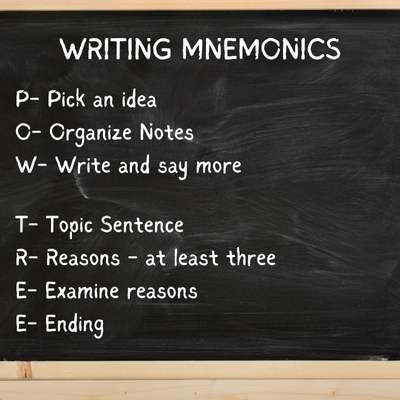
Imagine a classroom where even reluctant writers feel empowered to express their ideas. That is the promise of the Self-Regulated Strategy Development (SRSD) model—an approach that combines writing strategies and self-regulation to transform how students learn to write. Originally designed to support students with disabilities, SRSD has been effective for writers of all levels, helping […]
Increasing student attendance through school connectedness
Chronic absenteeism is impacting schools and classrooms across the nation. Although student attendance may be impacted by multiple factors that are outside of the school’s control, focusing on what schools can do to increase attendance is still important. For example, a positive school climate has numerous impacts on student outcomes, including reducing student absenteeism. “When […]

Understanding and addressing internalizing behaviors: A guide for educators
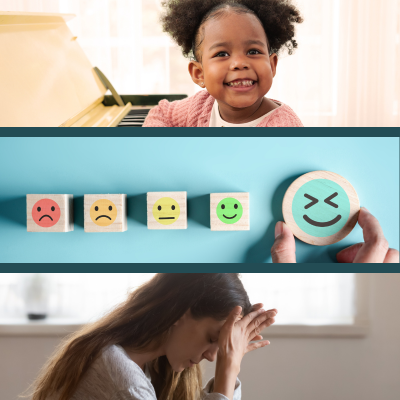
Part 2: Practices to support youth with internalizing behaviors Internalizing behaviors are often seen in children and adolescents and reflect emotional struggles that can lead to issues like depression and anxiety, social withdrawal, and negative self-perceptions. These challenges may result in reduced academic engagement, feelings of loneliness, and an increased risk of self-harm (Fiat et […]
Promoting student success with group contingencies
It’s March, and spring break is around the corner. Teachers and students are looking forward to the warmer weather and spending time outside. These final months of school can affect classroom behavior as students become excited about the approaching end of the school year. How can teachers encourage students to remain focused, engaged, and on-task […]
Heavy and light instructional coaching
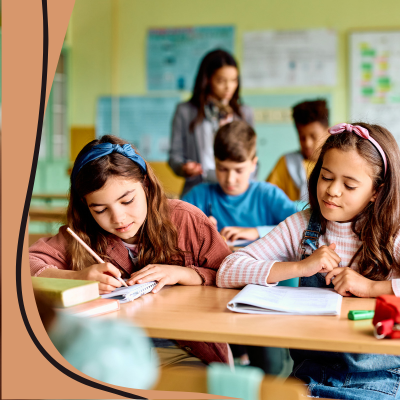
Instructional coaching in K–12 education supports teachers and improves student outcomes. Two primary coaching approaches, coaching light and coaching heavy, provide specific strategies for facilitating growth. Coaching light is relationship-focused, providing resources and advice to teachers without addressing deeper instructional issues. This approach builds trust and creates a foundation for collaboration, making it a starting […]

Highlighting High Leverage Practice (HLP) 12
High-leverage practices (HLPs) are defined as “22 essential special education techniques that all teachers of students with disabilities should master for use across a variety of classroom contexts“ (IRIS Center, 2025). The term high-leverage practice surfaced in 2011; but these evidence-based techniques are not new concepts (Council for Exceptional Children, 2024). HLPs became more specific […]

Understanding and addressing internalizing behaviors: A guide for educators
Part One: What are internalizing behaviors? Mental wellness plays a crucial role in students’ academic success and emotional well-being. Research indicates that around 20% of children and adolescents grapple with mental health disorders. Alarmingly, one in ten children faces mental, behavioral, or learning challenges that hinder their ability to function effectively in both school and […]