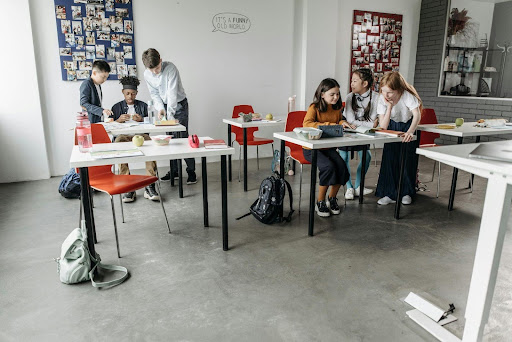
The art of safe and connected learning spaces
Classrooms are more than academic spaces; they are places where trust, safety, and connection grow. The physical environment communicates a sense of belonging through its layout, color, and materials, shaping how students feel and engage with the space. When those environments intentionally invite creative expression, research shows they strengthen student wellbeing by helping learners process […]

Partnering with families: Reframing family involvement in the Assistive Technology process
Although educational laws require schools to involve families as equal partners in the Assistive Technology (AT) process, many families report being limited in their involvement. Research by Dr. Angel Morgan and the Center on Inclusive Technology Education Systems (CITES) found that only 38% of families reported being asked about their technology goals and planning, and […]

Starting the school year with three evidence-based instructional practices for mathematics
For decades, K–12 mathematics education has been framed as a debate between procedural fluency and conceptual understanding. However, effective mathematics instruction is not an either-or proposition. Evidence-based teaching intentionally connects concrete experiences, visual representations, and strategic problem-solving to build both conceptual understanding and procedural fluency (Witzel et al., 2008; Powell & Fuchs, 2018). While there […]

Unit Organizer Routine supports students’ sensemaking
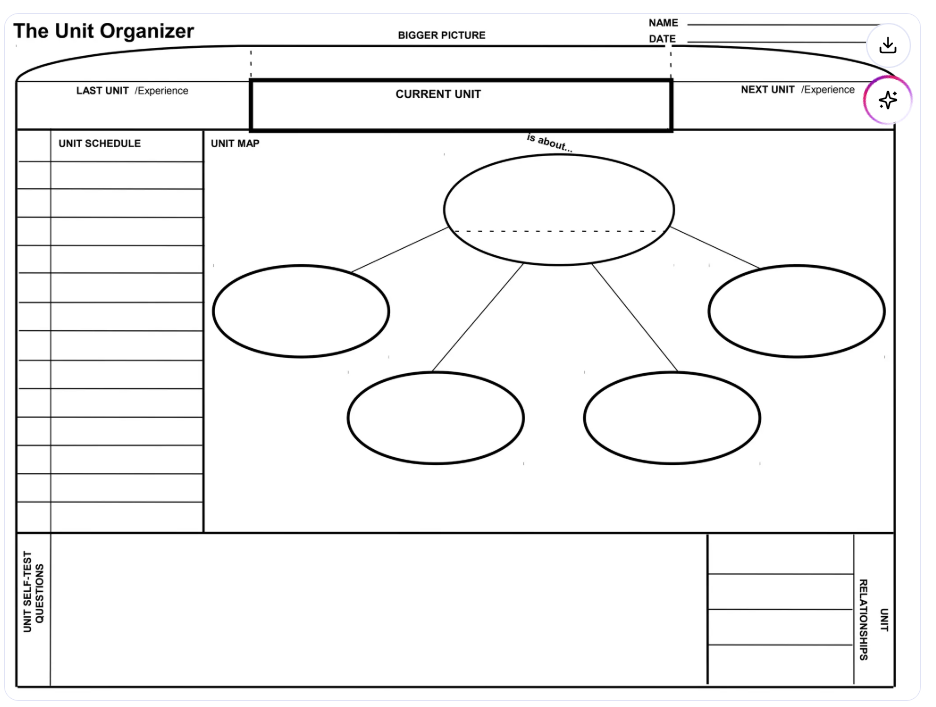
The current Standards of Learning in the core content areas have become increasingly rigorous and focus on student sensemaking. As teachers, we should be helping students see themselves and their peers as the “doers” of math, science, social studies, and English/Language Arts. Another term for “doing” is sensemaking. Advance organizers, concept mapping, and high-level questions […]
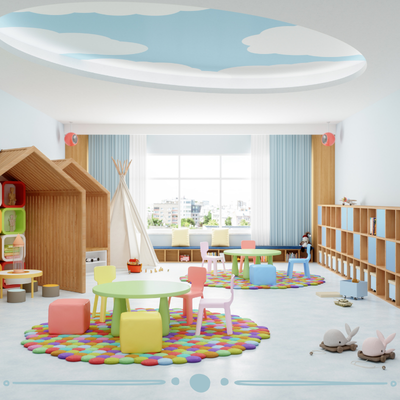
Connected, safe, and ready to learn: The power of belonging in schools
When students feel they belong, their brains shift into a state where learning becomes possible. A sense of connection signals safety, and safety unlocks the cognitive resources students need for problem-solving, reasoning, creativity, and self-regulation. Students who feel safe and connected are more willing to take academic risks, engage in challenging tasks, and collaborate with […]

How HLP 19 can transform inclusive education and assistive technology teams
Schools across the country are experiencing a growing push toward inclusive education for students with disabilities, making today’s classrooms more diverse than ever before. According to the National Center for Education Statistics (2024), 67% of students with disabilities spend 80% or more of their school day in general education classes. Current research suggests the need […]
Unpack your curricula in MS and HS with the SIM Course Organizer
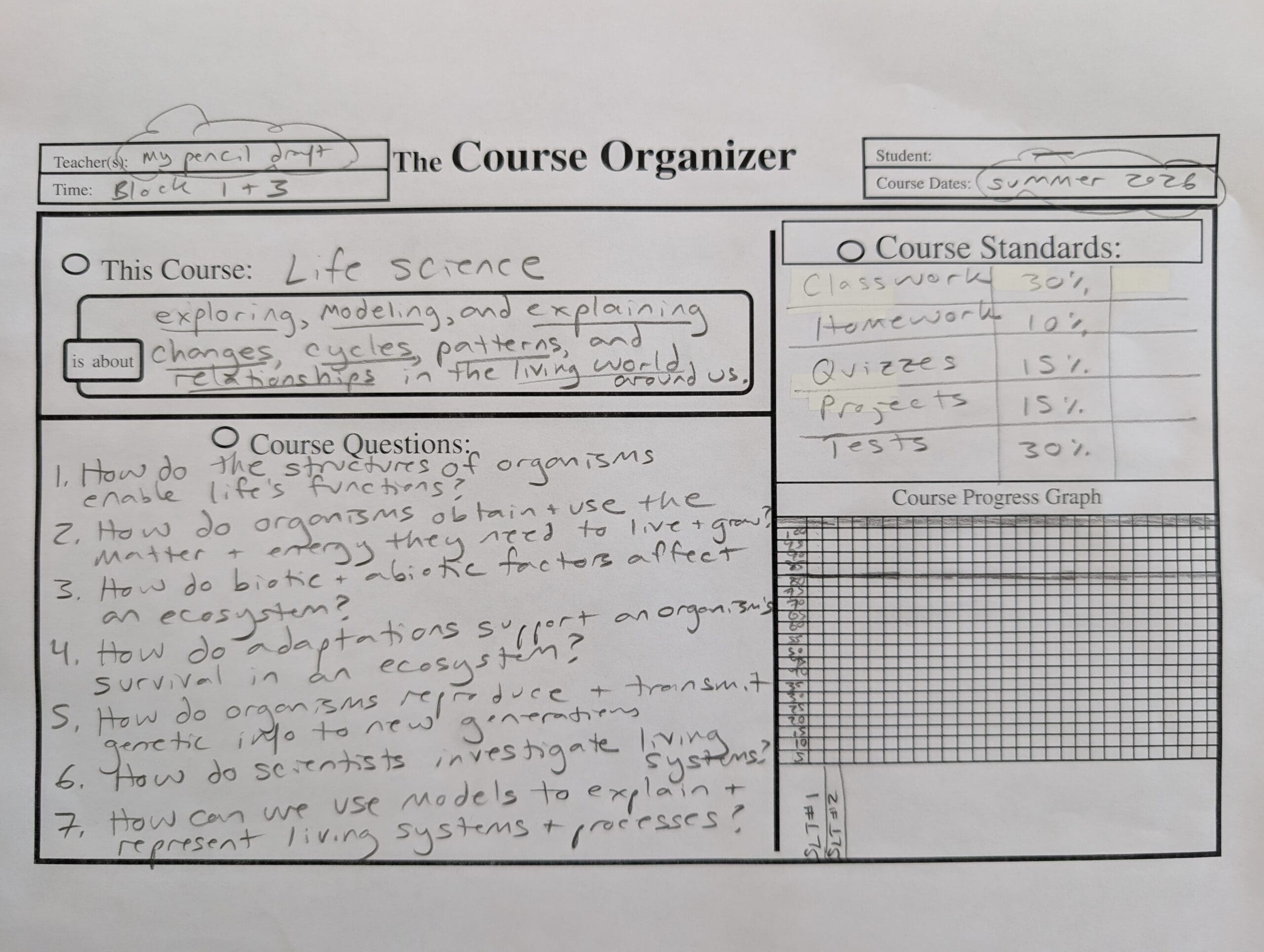
As you plan how middle and high school teachers can unpack curricula in the coming year, consider the Strategic Instruction Model (SIM) Course Organizer Routine (Lenz, Schumaker, Deshler, Bulgren, 1998). This evidence-based practice helps new and veteran teachers work efficiently as a team to unpack a curriculum in just a couple of hours–a task that […]
Beyond the screen: Restoring focus, connection, and deep learning in today’s classrooms
Have you noticed students who increasingly struggle to stay focused on tasks, find face‑to‑face interactions challenging, experience difficulty retaining new learning, and exhibit reduced stamina for sustained thinking? A growing body of evidence supports that the rise in the use of digital tools is reshaping students’ cognitive development, attention, and social skills. Research indicates that […]

Strategies for unlocking big words for older struggling readers
Proficient readers can simultaneously decode words in a text while integrating information from those words for comprehension. Students who struggle with decoding in the early elementary years often have difficulty accessing meaning due to limited word recognition skills. As students advance beyond second grade, word-reading instruction decreases while the complexity and volume of texts increase. […]
Working together: How explicit instruction can fit within a Universal Design for Learning framework
Many instructional practices are recommended to support students with disabilities (SWDs), but they are often taught in isolation. In their article “Approaching Explicit Instruction Within a Universal Design for Learning Framework,” Foxworth et al. (2022) share how explicit instruction and universal design for learning (UDL) can work together. UDL is a framework that accounts for […]