How to recognize the female autism phenotype
According to the Centers for Disease Control, 1 in 44 children has Autism Spectrum Disorder (ASD), which has historically been viewed as a male disorder (Tomlinson et al., 2020). There are misunderstandings affecting the identification and understanding of females with autism that often result in females being overlooked or diagnosed far later, especially females with […]
Early childhood resource refresh
Virginia’s Early Learning and Development Standards (ELDS), Birth-Five Learning Guidelines What are the ELDS? The Virginia Department of Education released a new set of unified early learning and development standards for young children ages birth to age five. The new standards focus on five areas of development: Where can I find the ELDS? The ELDS […]

Switch it up! Check out these awesome switches in the AT lab
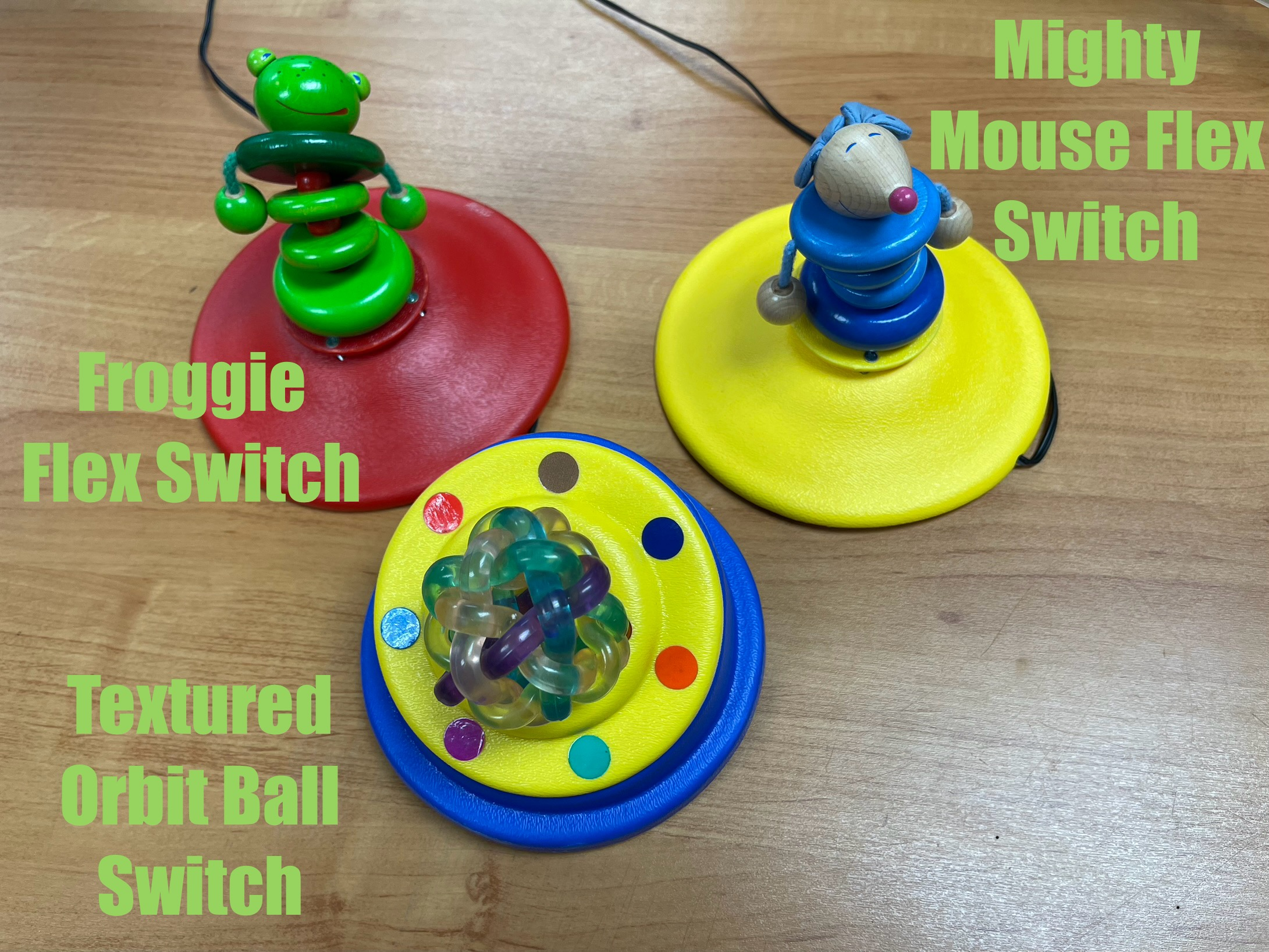
Pedal switches, Makey Makey, and Bluetooth OH MY! The Assistive Technology lab has a variety of switches available for school and early intervention teams to check out. Pair them with any switch-activated device, and your students will be ecstatically able to interact with their environment. Are you looking for something that will give a sensory […]
Be a light for yourself and others
Teachers and leaders continue to rebuild many aspects of the academic experience following the pandemic. Many of them can benefit from strategies to combat stress during the instructional day. In 2021, Elizabeth Steiner and Ashley Woo reported findings on teacher job stress. The results indicated that 78 percent of teachers experienced frequent job-related stress and […]

Challenging behaviors in the classroom
Working with students that exhibit challenging behaviors in the classroom is something that almost all teachers will face at some point in their career. Recent research indicates that more than 70% of teachers report an increase in disruptive behaviors in the classroom since 2019 (Prothero, 2023). Additionally, 78% of teachers in another recent survey identified […]

The Assistive Technology Lab is open for business
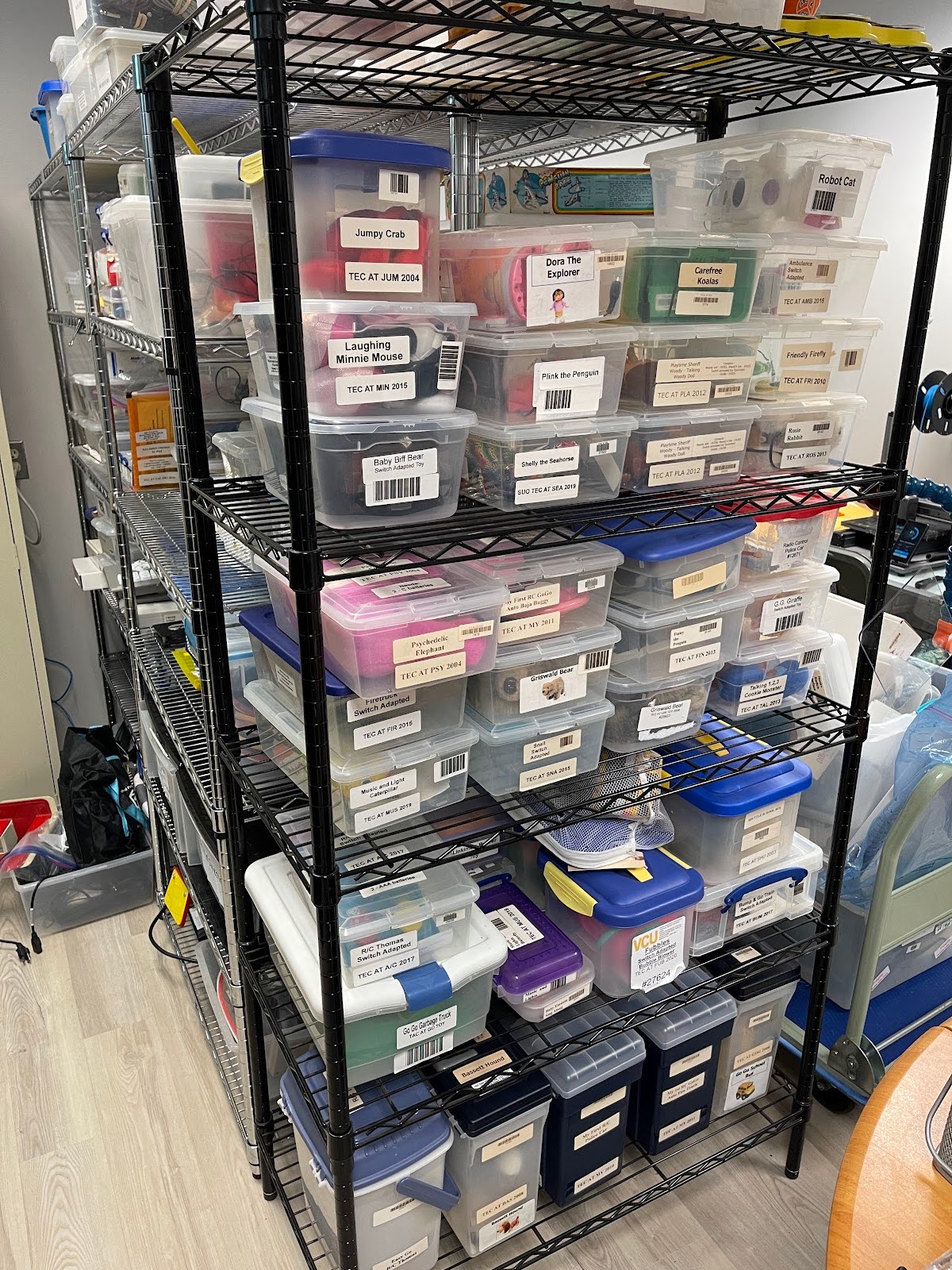
We’re back! The Assistive Technology (AT) lab is now open in our new location on Staples Mill Road in Richmond; parking is free. As always, we have many devices that can be checked out to school teams in Regions 1 and 8. The device categories include Augmentative and Alternative Communication, play, leisure activities, computer access, […]
Mid-year stress and mental wellness of students and staff
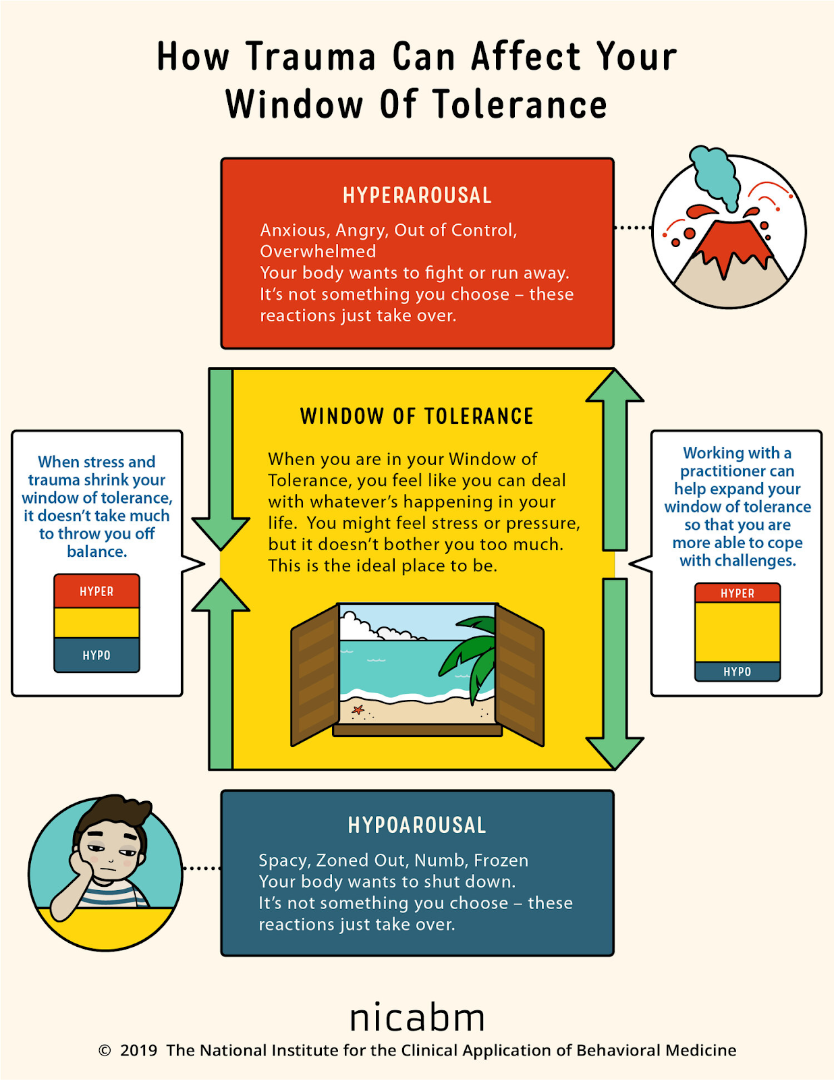
It is December, and many schools have been in session since August. As the school year moves toward the winter break, many students and teachers experience a mid-year slump as enthusiasm and focus begin to wane. What might contribute to these feelings? How can these challenges be eased and the new year be started with […]
Scaffolding for impactful instruction
Explicit Instruction features a continuum of supports, or scaffolds, where students are guided through the learning process while the responsibility for learning is gradually released from the teacher to the students. Although the concept of scaffolding hearkens back to 1976, (Puntambekar, 2022), Douglas Fisher and Nancy Frey (2023) continue to find the concept of scaffolding […]

Creating high quality early childhood environments
Creating a high-quality early childhood setting is a key aspect of improving long-term outcomes for students with and without disabilities and their families. The National Association for the Education of Young Children (NAEYC) states within their core values that, “children are best understood and supported in the context of family, culture, community, and society” (NAEYC […]

Resource refresh: Updated Virginia guidelines for early childhood inclusion
The Virginia Department of Education (VDOE) released an updated version of the Virginia Guidelines for Early Childhood Inclusion in August 2023. School divisions and early childhood communities can use this document to find, develop, and sustain inclusive opportunities for young children with disabilities in high-quality early childhood programs. The guidelines are presented in three sections: […]