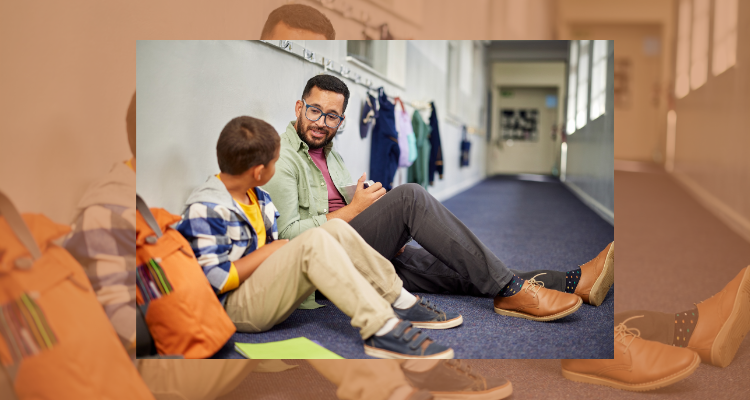
Precorrection: A proactive strategy to improve student behavior
It’s November, and Ms. Connelly notices several students have difficulty following the morning arrival routine. They talk loudly as they enter the classroom and hang up their bookbags. The morning tasks listed on the whiteboard are not being completed because students are socializing with each other and taking longer to complete their work. Ms. Connelly […]
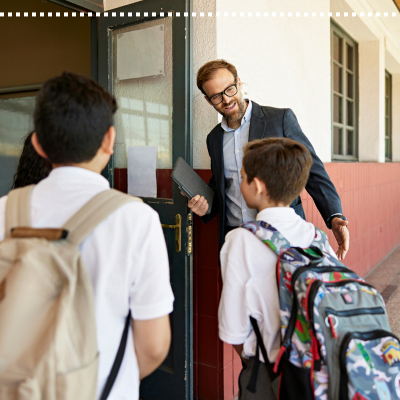
Back to basics: Designing Effective Classroom Environments
A well-designed classroom is the foundation for a high-quality early learning experience. The physical, social, and temporal features of the environment influence student engagement, independence, and social-emotional development (Rausch et. al., 2021). As we begin the school year, it’s the perfect time to revisit what makes a classroom truly work for young students. Start with […]
Mental wellness and schools
Mental health is an increasingly significant issue in the United States. It is estimated that 59.3 million adults experience mental illness. However, only 45.3% receive mental health care (Mental Health America, 2024). Forty-five percent of youth ages 10 to 24 report having struggled with their mental health in the past two years (Surgo Health, 2024). […]
Increasing student attendance through school connectedness
Chronic absenteeism is impacting schools and classrooms across the nation. Although student attendance may be impacted by multiple factors that are outside of the school’s control, focusing on what schools can do to increase attendance is still important. For example, a positive school climate has numerous impacts on student outcomes, including reducing student absenteeism. “When […]

Understanding and addressing internalizing behaviors: A guide for educators
Part 2: Practices to support youth with internalizing behaviors Internalizing behaviors are often seen in children and adolescents and reflect emotional struggles that can lead to issues like depression and anxiety, social withdrawal, and negative self-perceptions. These challenges may result in reduced academic engagement, feelings of loneliness, and an increased risk of self-harm (Fiat et […]
Promoting student success with group contingencies
It’s March, and spring break is around the corner. Teachers and students are looking forward to the warmer weather and spending time outside. These final months of school can affect classroom behavior as students become excited about the approaching end of the school year. How can teachers encourage students to remain focused, engaged, and on-task […]
Heavy and light instructional coaching
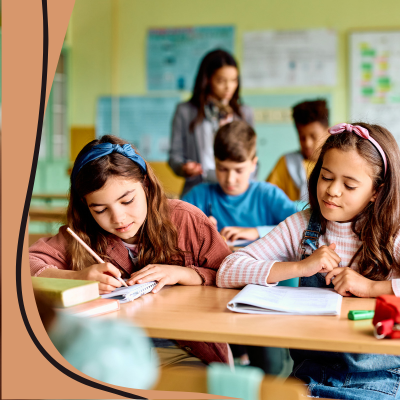
Instructional coaching in K–12 education supports teachers and improves student outcomes. Two primary coaching approaches, coaching light and coaching heavy, provide specific strategies for facilitating growth. Coaching light is relationship-focused, providing resources and advice to teachers without addressing deeper instructional issues. This approach builds trust and creates a foundation for collaboration, making it a starting […]

Highlighting High Leverage Practice (HLP) 12
High-leverage practices (HLPs) are defined as “22 essential special education techniques that all teachers of students with disabilities should master for use across a variety of classroom contexts“ (IRIS Center, 2025). The term high-leverage practice surfaced in 2011; but these evidence-based techniques are not new concepts (Council for Exceptional Children, 2024). HLPs became more specific […]

Understanding and addressing internalizing behaviors: A guide for educators
Part One: What are internalizing behaviors? Mental wellness plays a crucial role in students’ academic success and emotional well-being. Research indicates that around 20% of children and adolescents grapple with mental health disorders. Alarmingly, one in ten children faces mental, behavioral, or learning challenges that hinder their ability to function effectively in both school and […]
Supporting students with invisible disabilities
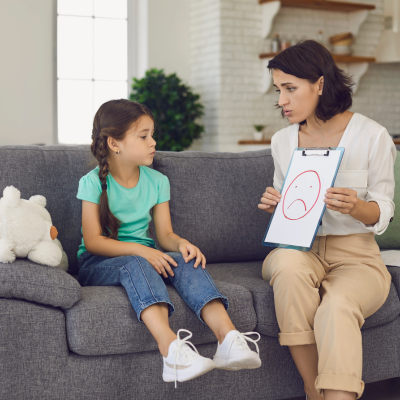
Invisible disabilities can significantly impact students in K–12 education, often presenting challenges that affect learning, social interaction, and emotional well-being. They are conditions such as dyslexia, ADHD, anxiety, or chronic illnesses that may go unnoticed but can hinder a student’s ability to engage in a traditional classroom setting. These challenges require proactive strategies from educators […]