Supporting students with invisible disabilities
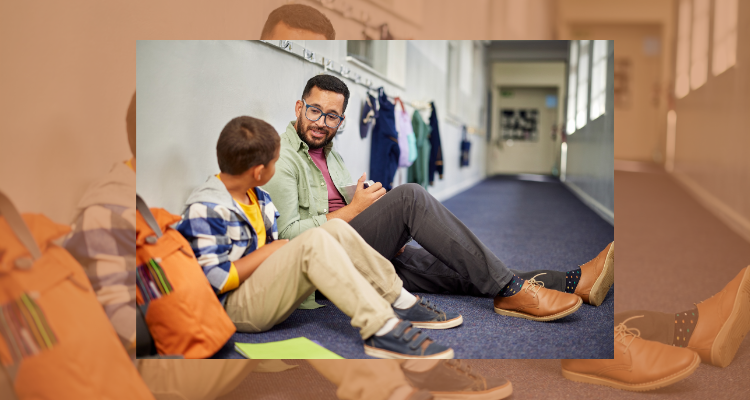
Invisible disabilities can significantly impact students in K–12 education, often presenting challenges that affect learning, social interaction, and emotional well-being. They are conditions such as dyslexia, ADHD, anxiety, or chronic illnesses that may go unnoticed but can hinder a student’s ability to engage in a traditional classroom setting. These challenges require proactive strategies from educators and schools to ensure all students have equitable opportunities to succeed (Kirk et al., 2021).
The first line of defense for students with invisible disabilities is to ensure that specially designed instruction is implemented through individualized education programs (IEPs). When this occurs, students can benefit from customized accommodations like extended time on assignments, reduced sensory stimuli, or access to assistive technology. The collaborative effort of educators, parents and/or family members, and specialists ensures that these plans are effectively implemented to address students’ unique needs (Smith et al., 2020).
Professional development helps educators better support students with invisible disabilities by providing tools to recognize and address their unique needs. Goodwin (2021) emphasizes that training focused on understanding invisible disabilities increases awareness and empowers educators to create inclusive environments through proactive strategies and collaboration. These efforts are key to reducing stigma and ensuring all students can access equitable learning opportunities.
Classroom modifications can also make a difference. Flexible seating, multi-sensory instructional approaches, and quiet spaces for breaks foster an inclusive learning environment that benefits all students. Integrating social-emotional learning programs promotes emotional regulation, empathy, and resilience, offering invaluable support to students managing invisible disabilities (Rivers & Brackett, 2020).
Creating a school culture of empathy and acceptance is crucial to supporting students with invisible disabilities. Awareness activities, peer mentoring, and open communication between educators, students, and families can reduce the stigma around invisible disabilities. Serving as an advocate and implementing these strategies can create an environment where every student feels valued and supported.
Though not outwardly apparent, invisible disabilities require tailored support and increased awareness. As Goodwin (2021) highlights in “Making the Invisible Visible: Let’s Discuss Invisible Disabilities,” addressing these needs involves creating supportive environments, raising awareness, and promoting advocacy to ensure individuals with invisible disabilities are fully included in their communities and educational settings.
References
Kirk, S. A., Gallagher, J. J., & Coleman, M. R. (2021). Educating exceptional children. Cengage Learning.
Rivers, S. E., & Brackett, M. A. (2020). Social and emotional learning: Opportunities and challenges for school psychology. School Psychology Review, 49(4), 332–347.
Smith, J. D., Brown, K. L., & Lee, A. M. (2020). Strategies for supporting students with learning disabilities in inclusive classrooms. Journal of Special Education Leadership, 33(2), 85–97.
For more information, contact Amber Butler ([email protected]), Program Specialist, T/TAC at VCU.