Working together: How explicit instruction can fit within a Universal Design for Learning framework
Many instructional practices are recommended to support students with disabilities (SWDs), but they are often taught in isolation. In their article “Approaching Explicit Instruction Within a Universal Design for Learning Framework,” Foxworth et al. (2022) share how explicit instruction and universal design for learning (UDL) can work together. UDL is a framework that accounts for […]

Turning information into understanding with graphic organizers
In today’s classrooms, students are expected to read, listen, and process new information as they work toward identified learning targets. You’ve probably seen students, especially those with disabilities, struggle to understand, remember, and apply new information presented during instruction. Skills such as connecting new information to prior knowledge and identifying main ideas and supporting details […]
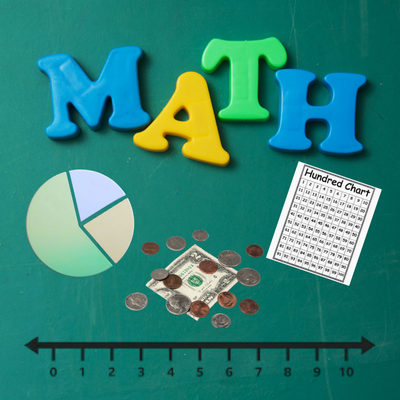
Understanding math aids and preparing for Virginia’s state testing
What are “math aids?” Math aids, as defined by the Virginia Department of Education (VDOE) (Virginia Department of Education, 2024), are specialized tools that provide students with disabilities equitable access to mathematics instruction and assessments. These accommodations are not designed to improve performance beyond access; rather, they help ensure that students can meaningfully participate in […]
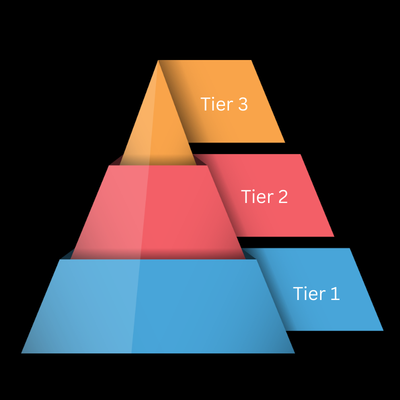
From programs to systems: Reframing advanced tiers through implementation science
Many schools are actively working to strengthen their Tier 2 and Tier 3 supports; however, teams frequently report feeling overwhelmed by the numerous interventions, tools, and processes required. This challenge often arises because schools treat each intervention as an isolated initiative. Implementation research indicates that the primary focus should be on constructing the Advanced Tiers […]
The hidden correlation: How assistive technology shapes student behavior
In the field of special education, Assistive Technology (AT) is frequently viewed through a purely functional lens: a tool to help a student see, hear, write, or communicate. However, there is a profound, often-overlooked relationship between the implementation of AT and a student’s behavioral presentation. Understanding this relationship requires careful consideration to ensure accessibility options are appropriate, […]

Develop a schoolwide learning strategy toolkit
Structured routines and executive function lay the foundation for learning (see last month’s TTAC newsletter article). Once those foundations are in place, students need tools that help them think, communicate effectively, and solve problems independently. A schoolwide learning strategy toolkit provides this support by offering a small, shared set of thinking routines and academic strategies […]

Seeing students’ values in the classroom
Take a look around your classroom. What’s on the walls? Do you see anchor charts, mindset quotes, décor you love? Whose values are represented? In We Got This, Cornelius Minor (2019) reminds us that students are thinkers, problem-solvers, and meaning-makers whose values shape how they engage in learning). In Dare to Lead, Brené Brown (2018) […]

All about collaboration:
How special education teachers and paraprofessionals can create effective partnerships In today’s special education landscape, one prevalent challenge is staffing two licensed teachers in the classroom. In the instance where a co-teaching service delivery model is not possible, collaboration, a coordination of “efforts with others, including paraprofessionals, service providers, administrators, and families,” is paramount (Urbani […]

Highly individualized teaching and learning in preschool classrooms
Young child en who receive special education services in early childhood care and education settings benefit the most when teachers use highly individualized teaching strategies. Embedded instruction is an effective approach addressing the unique learning and developmental needs of young children within the context of a high-quality preschool program (Sandall, Schwartz, Joseph, & Gauvreau, 2024). […]

Support student learning with routines
Students learn content more deeply when the thinking and self-regulation skills behind learning are intentionally developed. Before we focus on advanced strategies, it is crucial to establish classroom systems that prepare students to engage, persist, and think independently. Two powerful levers for doing this are structured routines and executive function supports. Predictable routines help students […]