Spotlight: Strengthen Your Research Grant Proposal through the Research Design Studio

Are you stuck at a certain phase of your research project? We can help you get “unstuck” through the consultation services offered by the Wright Center for Clinical and Translational Research.
Pilot Success Story: Alyssa Button, Ph.D.
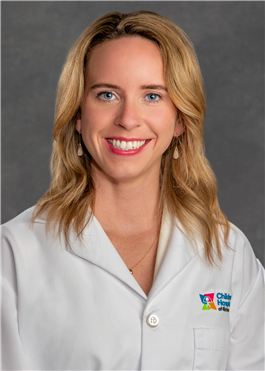
The Research Design Studio reached a major milestone with its inaugural pilot session in December 2025. Among the first participants was Alyssa Button, Ph.D., an early career researcher and a clinical psychologist in pediatric endocrinology at Children’s Hospital of Richmond at VCU. Button utilized the studio to refine her NIH K23 (career development) proposal on integrating physical activity into GLP-1 treatments for adolescents—a complex project that required both specialized clinical knowledge and rigorous design.
The Research Design Studio was a fantastic opportunity to get feedback and ‘fresh eyes’ from experts who are intimately familiar with the grant review process,” Button says. “I’ve been shaping my grant idea for over a year and I thought it was in good shape, but after the studio, I redid all of the aims because they brought up excellent questions and design considerations that I think will make it much stronger. Even though the project looks different now, I feel much more confident with it.
Expert Support for Your Next Grant Proposal
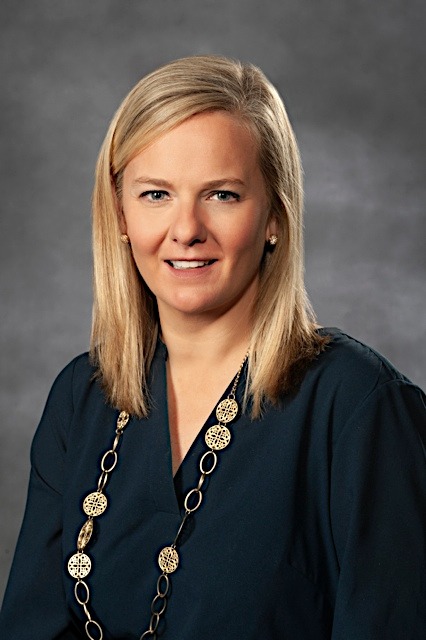
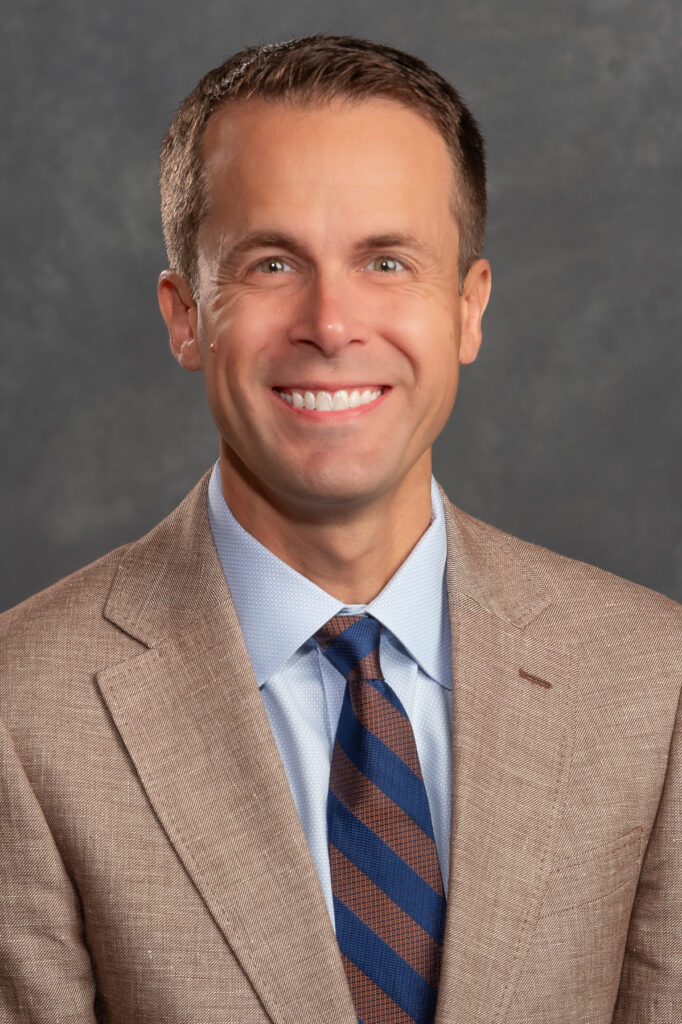
The Research Design Studio is a signature program run out of the Resources and Services Core at the Wright Center, which is led by Melanie Bean, Ph.D. and Roy Sabo, Ph.D.
We offer a 90-minute, no-cost, structured consultation specifically designed to support faculty and research fellows as they prepare their grant submissions. Because a high-quality proposal takes time to refine, the process typically takes 6–8 weeks; we recommend submitting your request approximately 6 months prior to your grant deadline.
Our multidisciplinary panel of experts can help you strengthen:
- Study design
- Specific aims & outcomes
- Hypothesis development
- Recruitment feasibility
- Data analysis planning
The Mission: Improving Protocol Quality and Feasibility
The studio was developed to address common pitfalls in the submission process—such as lack of feasibility or missing design elements—that can lead to grant rejection. As noted by Rose Williams, Research Navigator, the goal is to provide a dedicated forum for investigators to stress-test their ideas before they reach a formal study section.

Crucial to this process is the extensive “behind-the-scenes” work Williams tailors to each session. For every applicant, she identifies and recruits 2–3 specific scientific experts who specialize in the researcher’s field of study to ensure that the feedback is not just general, but deeply relevant to the scientific challenges of the investigator’s proposal. These scientific experts are complemented by experts in Biostatistics, Informatics, Community Engagement, and Clinical Trials (with the specific makeup of the expert panel tailored to the grant application).
Key Takeaways for the Wright Regional Center
- A “Hub” for Excellence: The studio acts as a central hub, connecting researchers with in-house experts in informatics, biostatistics, community engagement, and clinical trials, as well as specialized scientific experts tailored to the applicant’s specific field.
- Beyond Written Feedback: Unlike static review forms, these sessions offer a “robust conversational element” for real-time problem-solving and mentoring.
- The Path to Funding: Following the Design Studio, researchers are encouraged to transition to Mock Study Sections for an NIH-style review, creating a comprehensive pipeline from concept to submission.
The Research Design Studio is a no-cost resource for VCU faculty and our Wright Center Regional partners designed to elevate the standard of clinical and translational research. Through the design studio, the Wright Center helps investigators avoid “sub-par” or “missing design elements”–prior to submitting your grant application–to increase scientific rigor and lead to a more favorable review. This proactive investment ensures that research submissions are not only feasible and sound but are positioned for success at the highest levels of federal funding.
To learn more about the Research Design Studio and to submit an application, click here.
Categories Clinical Research, Research, Resources and Services