National Leadership on Display: the Wright Center at ACTS TS26
Last week in Milwaukee, Wisconsin, the Wright Center’s own Emily Zimmerman, Ph.D., M.S. and Leah Gregory, M.P.H., M.S.W. brought VCU’s innovative community engagement strategies to a national audience of peer institutions. They presented at the Association for Clinical and Translational Science (ACTS) annual conference, Translational Science 2026 (TS26), one of the most significant annual gatherings in the country for researchers dedicated to turning laboratory discoveries into real-world health solutions. They were joined by Wright Center director F. Gerard Moeller, M.D., and a robust team of VCU experts whose contributions spanned the entire spectrum of translational science.
Advocating for the Future of Translational Science
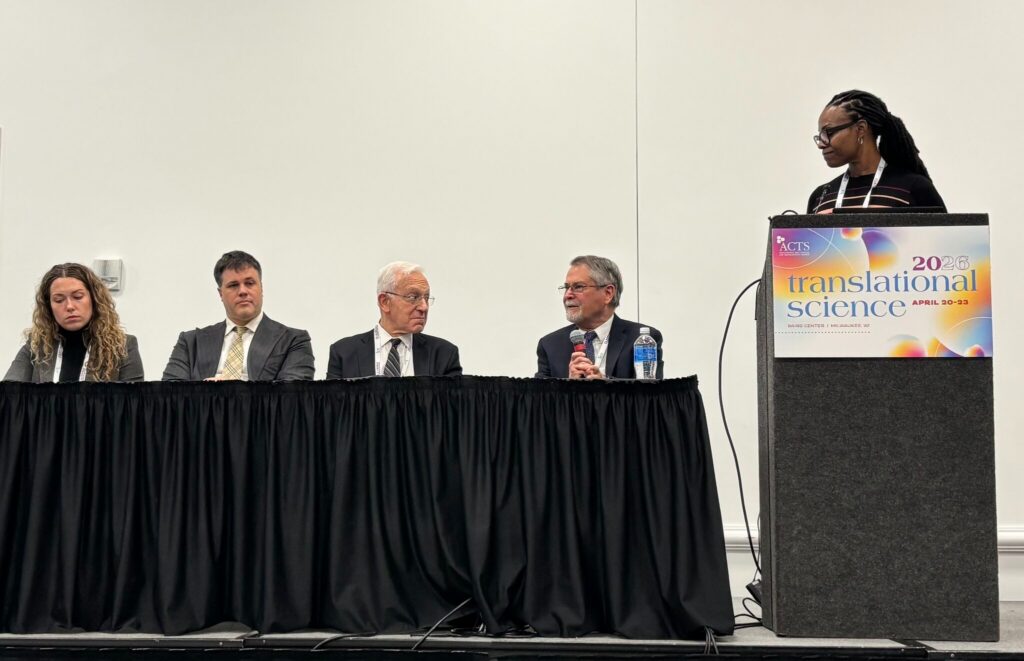
Wright Center director, F. Gerard Moeller, M.D., took a central role in the Research Operations and Administration Special Interest Group (SIG), participating in a two-part panel discussion. In “The 2026 Advocacy Playbook: Navigating the Future of CTSA Funding,” Dr. Moeller highlighted the vital coordination between PIs, administrators, and state government officials. He also contributed to sessions on “Beyond the Grant,” where he discussed building leadership pipelines and transition planning to ensure institutional knowledge and funding continuity across the CTSA consortium.
Evaluating the “Heart” of Research
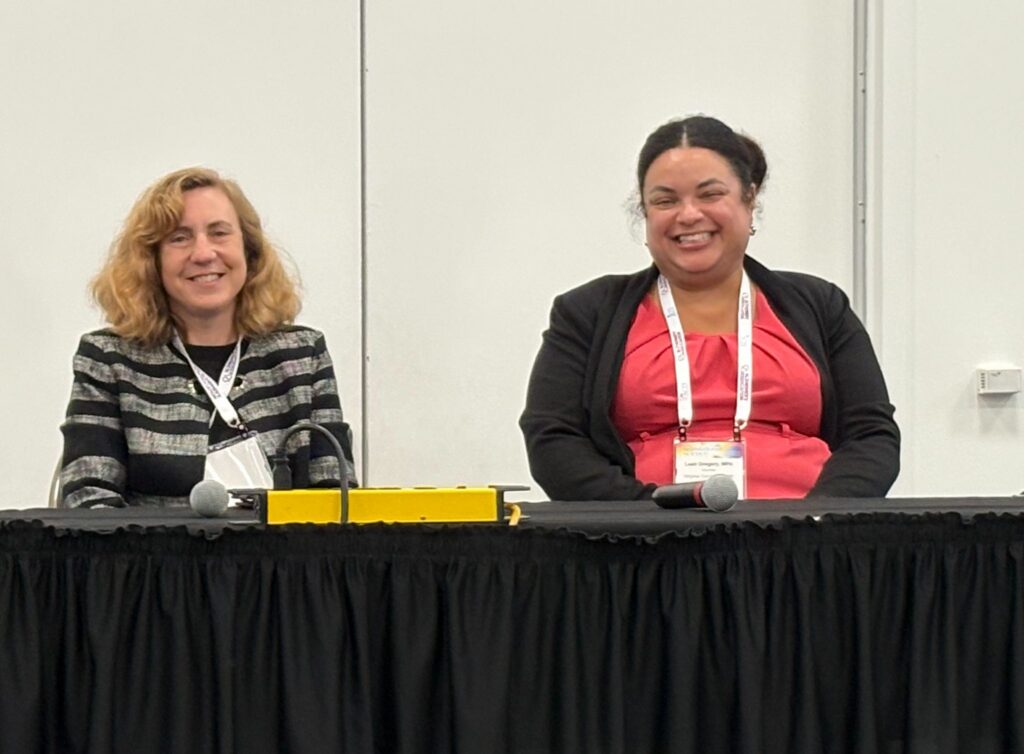
Translational science is only as strong as the partnerships behind it. In their interactive workshop, “Does This Partnership Work?”, Emily Zimmerman, Ph.D., M.S. (Wright Center Co-Lead of the CTS Research Program) and Leah Gregory, M.P.H., M.S.W., (Wright Center Community & Collaboration Program Manager) explored the critical task of evaluating Community Engaged Research (CEnR). While many institutions focus purely on final health data, the Wright Center team emphasized the importance of evaluating the process of partnership itself.
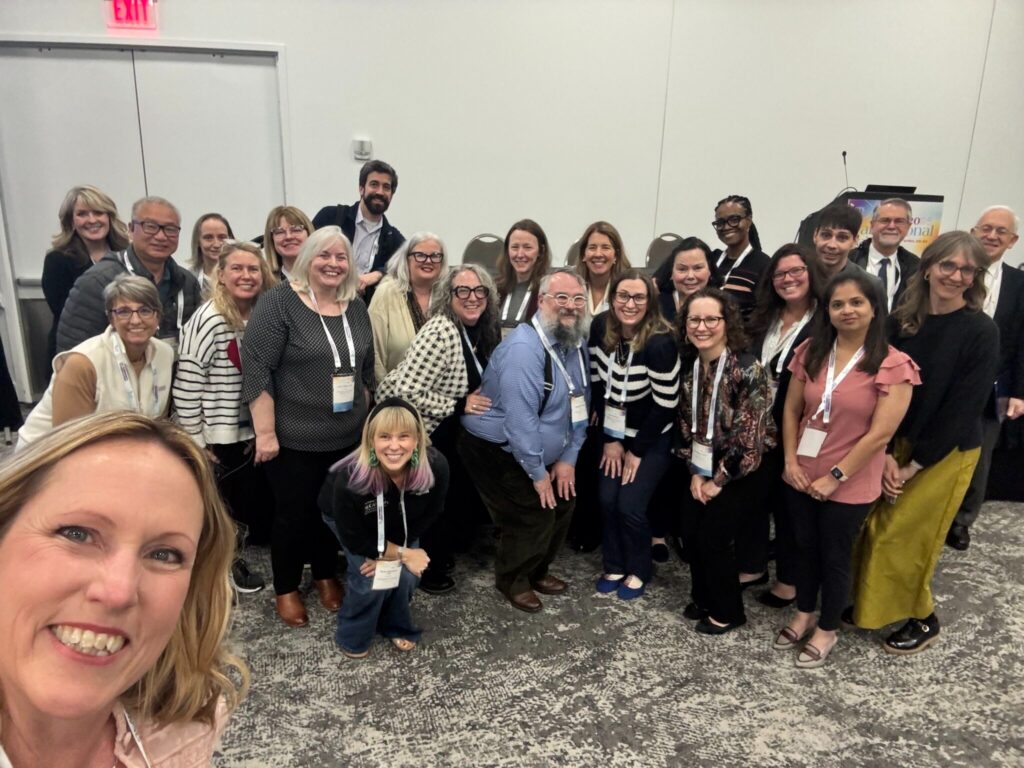
Collaborating with colleagues from the University of Minnesota and the University of Colorado at Denver, they addressed the foundational elements of successful collaboration, such as ensuring power-sharing and equitable decision-making. By utilizing innovative methodologies like storytelling sessions and “mutual sensemaking” tools alongside traditional quantitative surveys, they demonstrated how academic and community partners can foster mutual growth and program improvement.
A Center-Wide Contribution
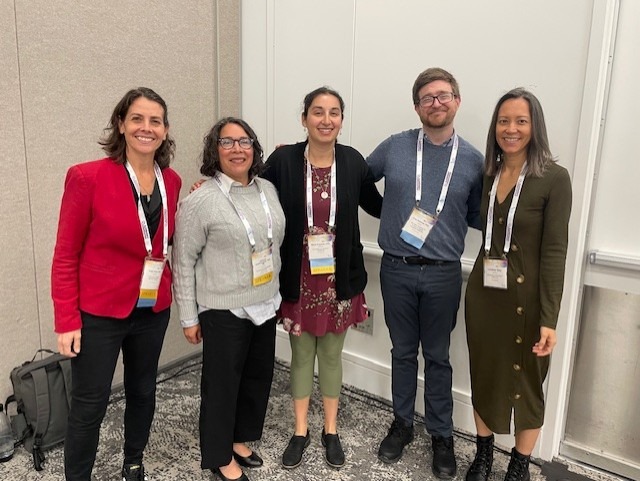
Beyond community engagement, the Wright Center’s influence was felt across several key areas of the conference. Deborah DiazGranados, Ph.D., director of evaluation and team science at the Wright Center, participated in a session with colleagues from CTSA hubs from the University of Michigan, University of Texas Medical Branch, and University of Southern California, sharing insights on advancing continuous evaluation for translational science.
In addition, Pamela Dillon, Pharm.D., presented a poster on “Bridging the Gap: Training Researchers to Share Their Work,” together with co-author Andrea Molzhon, Ph.D.
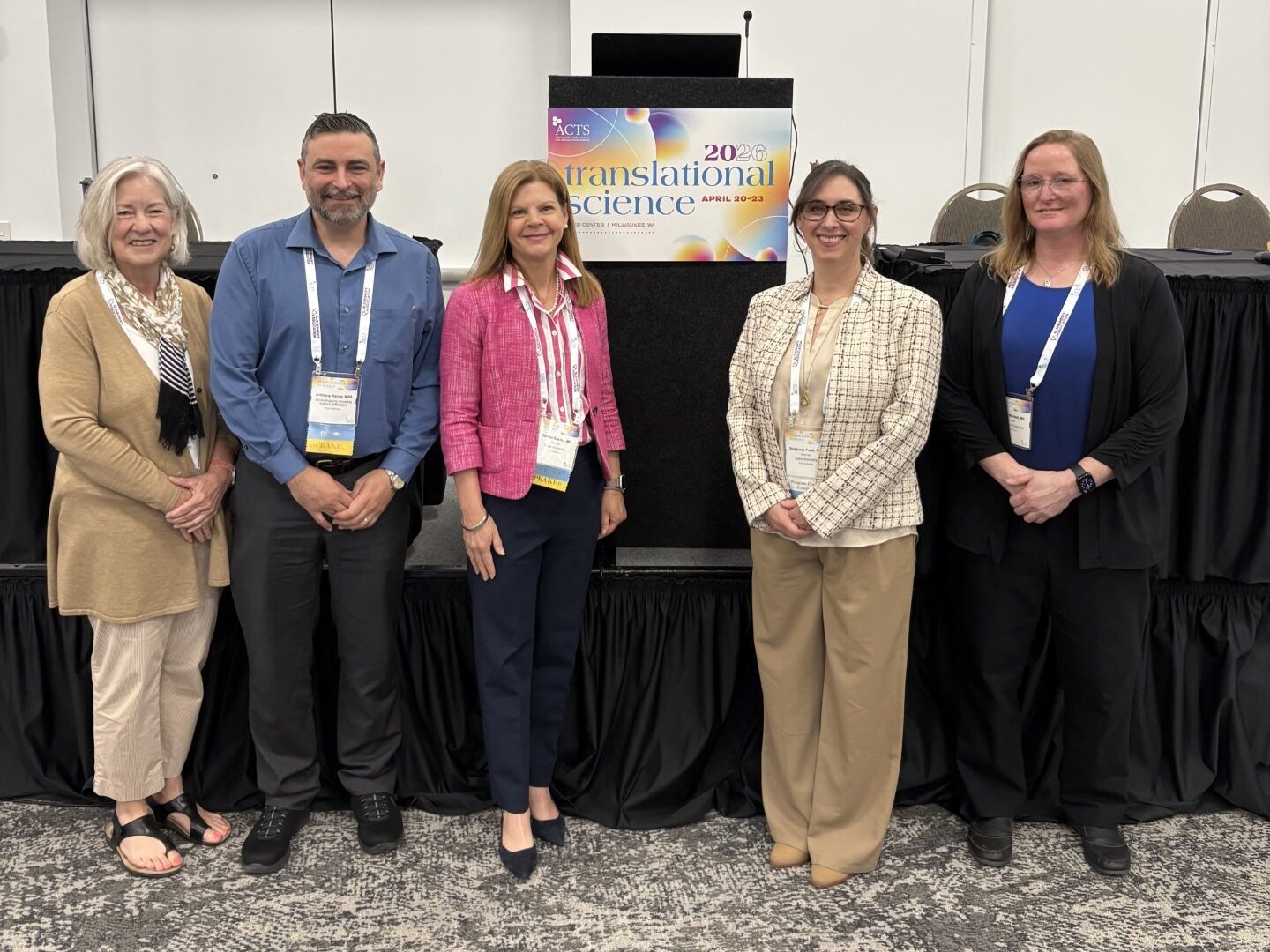
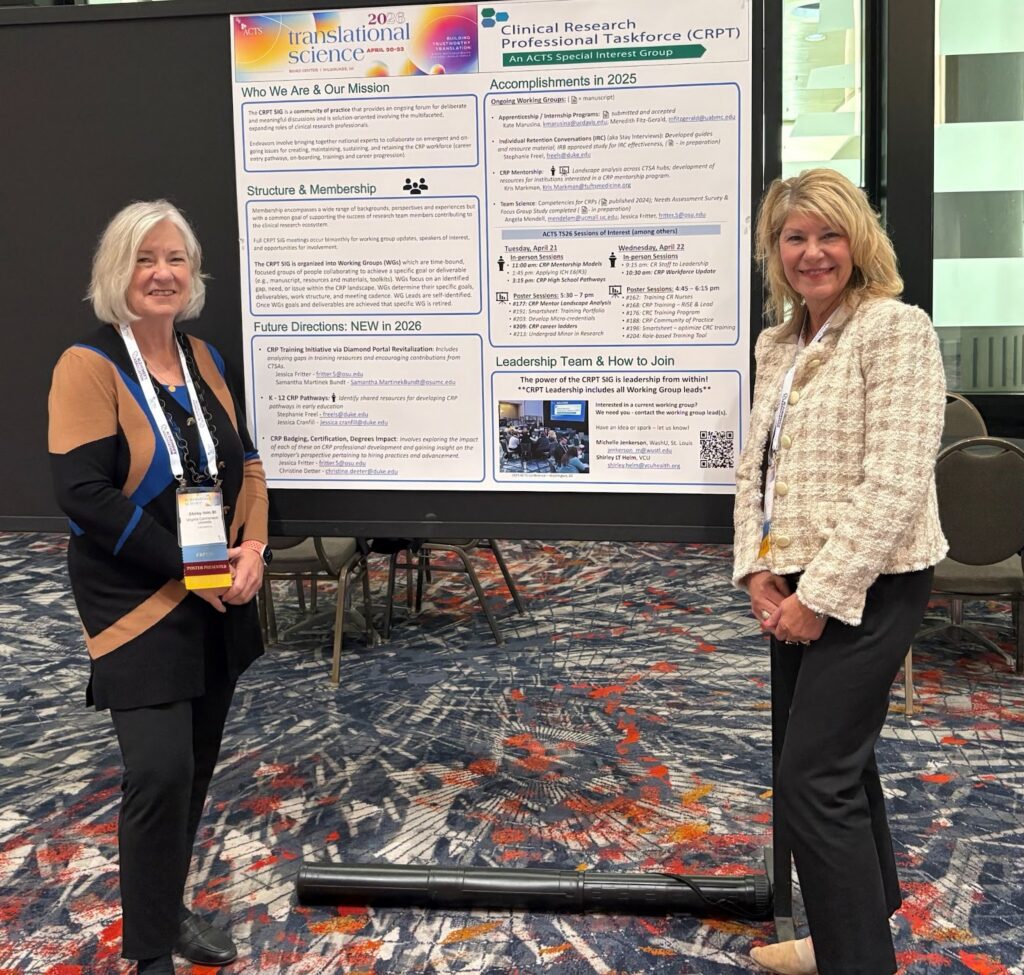
The Center also took a leading role in discussing the future of the Clinical Research Professional (CRP) workforce. Shirley Helm, M.S., CCRP, participated in a high-level panel on the state of the CRP workforce and presented posters on intra-institutional strategies for career entry—co-authored with Elizabeth Fortune, MBA—and national landscape analyses of mentoring programs.

National Visibility and Leadership
The Wright Center’s impact extended into the leadership of ACTS itself. Our team members currently hold influential roles within Special Interest Groups (SIGs), including Shirley Helm, M.S., CCRP, (co-lead for the CRP Taskforce), Pam Dillon, Pharm.D. (vice chair for the Scholar SIG), and Elizabeth Fortune, M.B.A. (chair for the Research Operations and Administration SIG).
The participation of our leaders at ACTS TS26 underscores the Wright Center’s visibility and influence within the national translational science landscape. By sharing these insights with other CTSA hubs, the Wright Regional Center is not only participating in the national research agenda—it is setting the standard for how institutions and communities work together to create a healthier future.
Categories Collaboration, Community Engagement, Evaluation, Impact, Translational Workforce Development
Comments
Lookie at Shirley and Liz, my old cohorts! Nice job!