Beyond the PD: How coaching supports implementation after a professional development
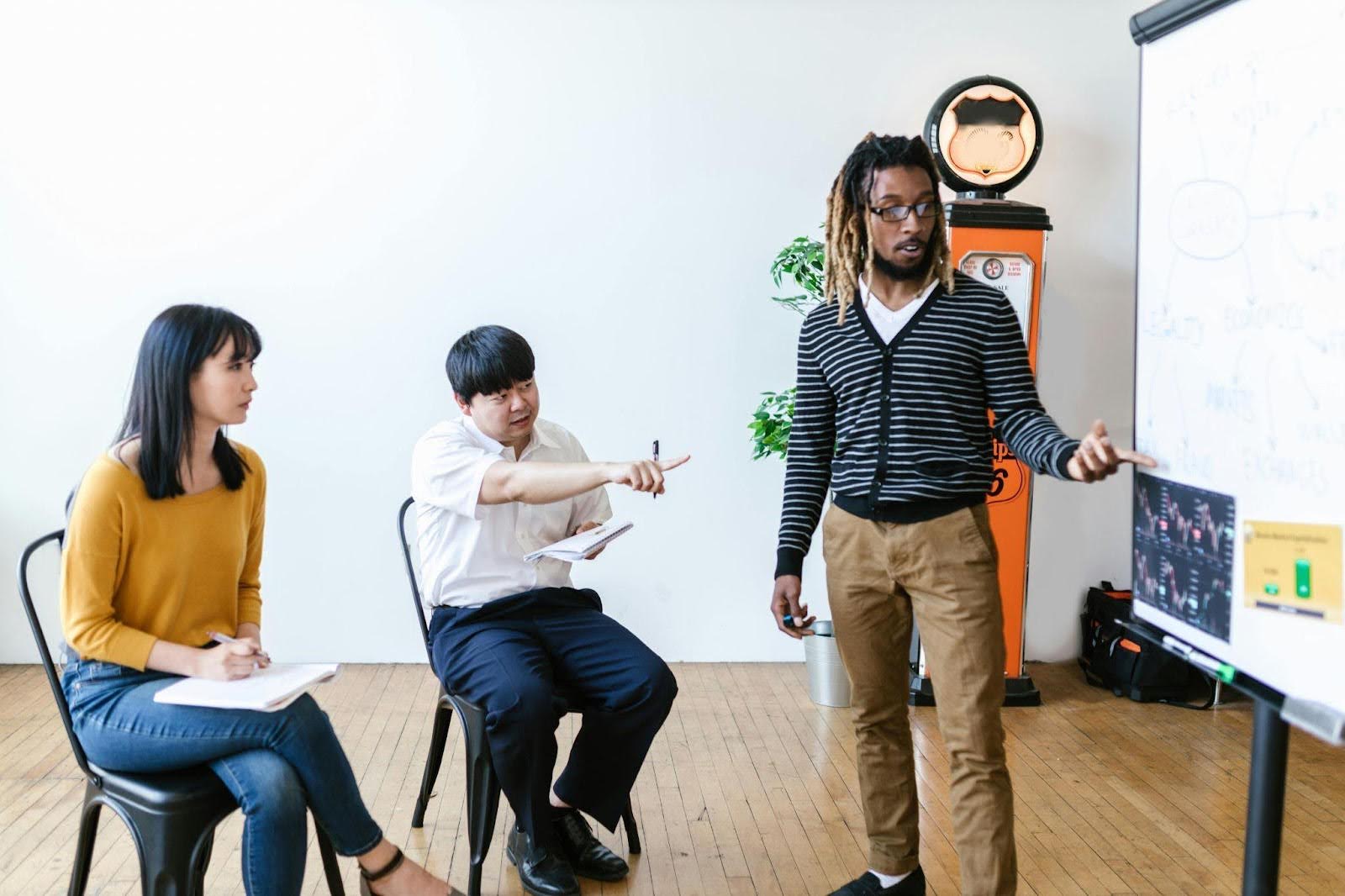
Professional development (PD) is the primary way in which knowledge, skills, and information are shared with teachers. The general approach to PD involves initial training; teachers are expected to take the presented information back to their respective classrooms and implement it, often with little to no follow-up (Saunders et al., 2021). This traditional model of […]
We’re growing! New assistive technology materials to inspire learning!
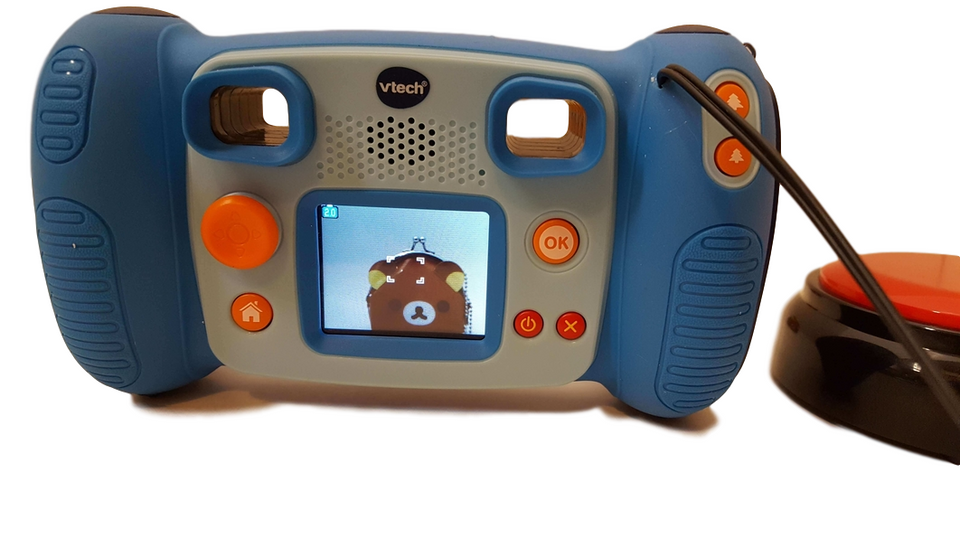
We have been listening to you! Based on your requests, we have curated more assistive technology (AT) devices for you to trial with your students of all ages. Check out these materials that were added to our library recently! Lights, Camera, Action!!! For the culinary artists in your classroom Switches, switches, and more switches!! Choosing […]
Increasing student attendance through school connectedness
Chronic absenteeism is impacting schools and classrooms across the nation. Although student attendance may be impacted by multiple factors that are outside of the school’s control, focusing on what schools can do to increase attendance is still important. For example, a positive school climate has numerous impacts on student outcomes, including reducing student absenteeism. “When […]

Understanding and addressing internalizing behaviors: A guide for educators
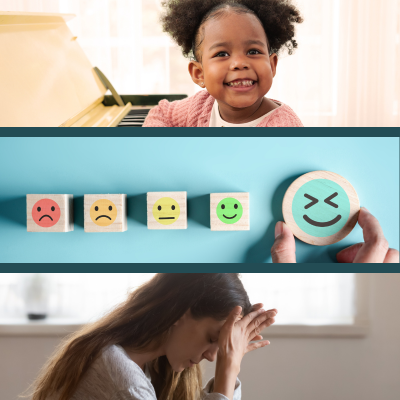
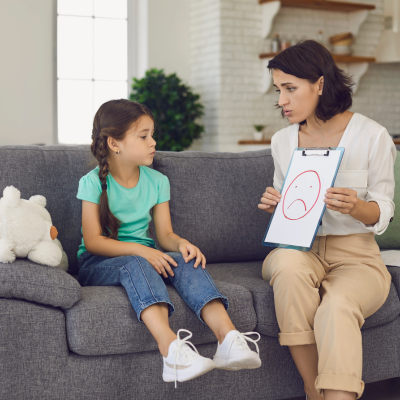
Part 2: Practices to support youth with internalizing behaviors Internalizing behaviors are often seen in children and adolescents and reflect emotional struggles that can lead to issues like depression and anxiety, social withdrawal, and negative self-perceptions. These challenges may result in reduced academic engagement, feelings of loneliness, and an increased risk of self-harm (Fiat et […]
Highlighting High Leverage Practice (HLP) 12
High-leverage practices (HLPs) are defined as “22 essential special education techniques that all teachers of students with disabilities should master for use across a variety of classroom contexts“ (IRIS Center, 2025). The term high-leverage practice surfaced in 2011; but these evidence-based techniques are not new concepts (Council for Exceptional Children, 2024). HLPs became more specific […]

Understanding and addressing internalizing behaviors: A guide for educators
Part One: What are internalizing behaviors? Mental wellness plays a crucial role in students’ academic success and emotional well-being. Research indicates that around 20% of children and adolescents grapple with mental health disorders. Alarmingly, one in ten children faces mental, behavioral, or learning challenges that hinder their ability to function effectively in both school and […]
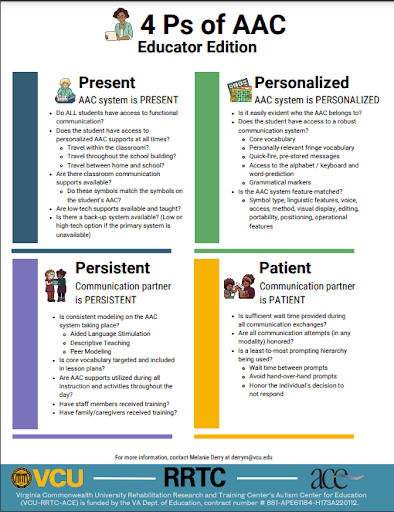
The communication catalyst: Empowering voices through the 4Ps of AAC
The world of Augmentative and Alternative Communication (AAC) has undergone a remarkable transformation over the past decade. We now have access to cutting-edge high-tech options and personalized access methods like eye gaze and head tracking. However, the challenge remains – many teachers and even some therapists aren’t equipped with the necessary experience and training to […]
Providing scaffolded supports to increase student success
Take a minute to think about how an adult helps a child learn to ride a bike. He doesn’t put her on the bike and say, “There you go! Ride the bike!” Instead, he scaffolds the support in order to help her learn to ride her bike independently: The adult knew a gap existed between […]
Giving a voice: The power of modeling and augmentative and alternative communication
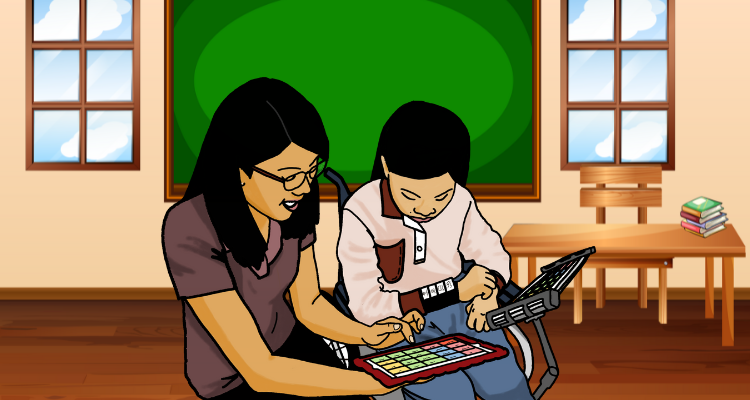
In today’s advanced world, people with communication challenges have more opportunities than ever to express themselves. We all communicate in different ways, whether through speech, sign language, pictures, gestalts, speech-generating devices, eye gaze, or keyboards. Aided Language Input (ALI) is a powerful, proven, effective strategy. ALI is also referred to as Aided Language Stimulation or […]
School connections and relationships
In her TED Talk Every kid needs a champion, Rita Pierson asserted, “Kids don’t learn from people they don’t like.” The importance of relationships and school connectedness is supported by research that shows belonging is an important protective factor. School connectedness can reduce risky behaviors, increase positive health behaviors, elevate grades and test scores, improve […]