Highly individualized teaching and learning in preschool classrooms
Young child en who receive special education services in early childhood care and education settings benefit the most when teachers use highly individualized teaching strategies. Embedded instruction is an effective approach addressing the unique learning and developmental needs of young children within the context of a high-quality preschool program (Sandall, Schwartz, Joseph, & Gauvreau, 2024). […]

Bumper stickers and explicit instruction
In his memoir, Matthew McConaughey talks about bumper stickers, quick-hit lines that try to sum up something bigger, something true (McConaughey, 2020). In education, we have our own, “I do, We do, You do.” It sounds good, rolls off the tongue, and feels like wisdom on a teacher-lounge fridge magnet. But like a real bumper […]
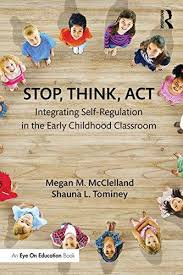
Stop, Think, Act: A practical guide to promoting self-regulation skills in early childhood settings
The two most important skills for helping young children succeed in school and life are self-regulation and co-regulation. As early childhood educators, we understand the importance of developing these skills by creating a supportive, relationship-centered environment where teachers actively guide and support students. This approach ensures that throughout a young child’s developmental stages, they learn […]
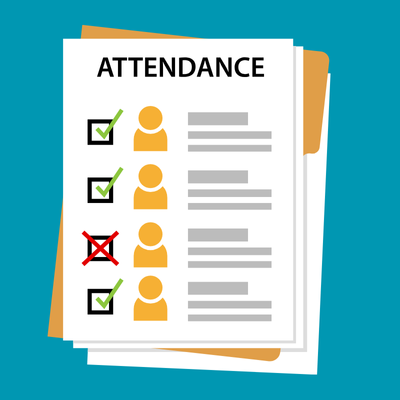
The impact of chronic absenteeism on students with disabilities
Chronic absenteeism, commonly defined as missing 10 percent or more school days in an academic year, poses significant challenges for all students. The impact on students with disabilities is particularly complicated. These students are disproportionately affected by barriers to consistent attendance and face greater consequences when instructional time is lost (U.S. Department of Education, 2016). […]
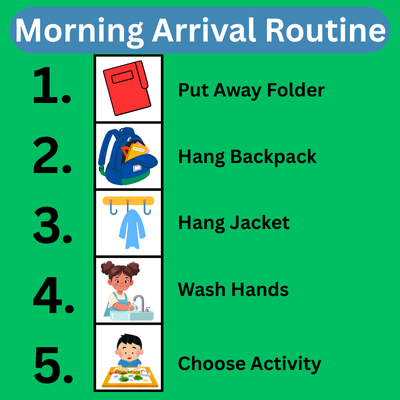
A blueprint for growth: How routines develop foundational skills in early childhood
Early childhood classrooms are lively centers of exploration and learning. For all children, especially those with disabilities, carefully organized routines within routines are highly beneficial. Intentionally implementing a system provides a predictable framework that encourages independence, reduces anxiety, and enhances learning opportunities throughout the day. First, let us clarify the difference between a daily schedule […]
Back to basics: Designing Effective Classroom Environments
A well-designed classroom is the foundation for a high-quality early learning experience. The physical, social, and temporal features of the environment influence student engagement, independence, and social-emotional development (Rausch et. al., 2021). As we begin the school year, it’s the perfect time to revisit what makes a classroom truly work for young students. Start with […]
Preschool Back to Basics: Prepare for positive family engagement
Angela waved goodbye to her students as the last bus pulled away from Apple Grove Early Learning Center. She took a few deep breaths as she walked back to her classroom. Soon, Martina’s father and grandmother would arrive to discuss their child’s recent challenging behavior. Yesterday, Martina threw a wooden block across the room, narrowly […]
Partnership in progress: How teacher-paraprofessional collaboration enhances student learning
Establishing an environment in early childhood classrooms that promotes effective teamwork and collaboration has been shown to significantly enhance student outcomes, particularly for those with complex needs. Exceptional education teachers are expected to collaborate with various providers to support the students they serve. Paraprofessionals play a crucial role as integral members of the educational team. […]
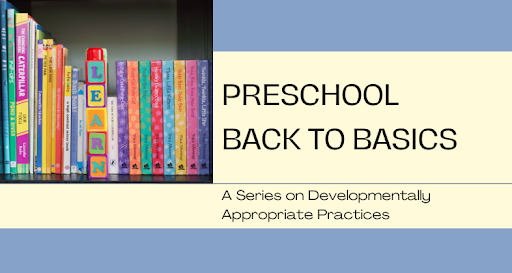
The communication catalyst: Empowering voices through the 4Ps of AAC
The world of Augmentative and Alternative Communication (AAC) has undergone a remarkable transformation over the past decade. We now have access to cutting-edge high-tech options and personalized access methods like eye gaze and head tracking. However, the challenge remains – many teachers and even some therapists aren’t equipped with the necessary experience and training to […]
Microteaching: A model for professional development
For every licensed educator, ongoing and continuous professional development (PD) is likely a requirement for recertification. Unfortunately, many educators do not buy-in to PD due to lack of choice, relevance, and the “sit and get” nature of many offerings (Kroeger et al., 2022). In their article, “Microteaching: An Opportunity for Meaningful Professional Development,” Kroeger et […]