School connections and relationships
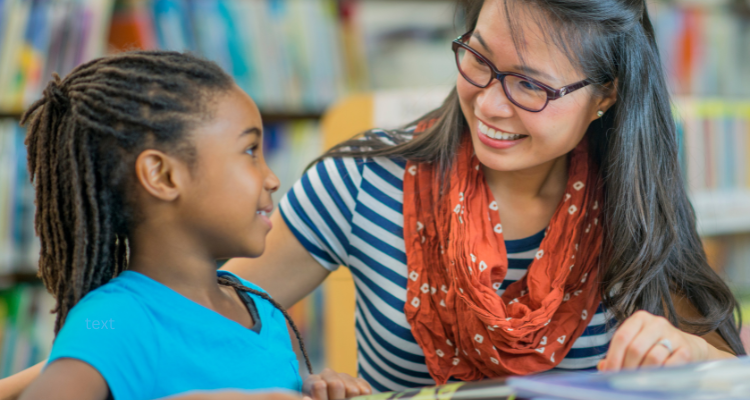
In her TED Talk Every kid needs a champion, Rita Pierson asserted, “Kids don’t learn from people they don’t like.” The importance of relationships and school connectedness is supported by research that shows belonging is an important protective factor. School connectedness can reduce risky behaviors, increase positive health behaviors, elevate grades and test scores, improve attendance, increase graduation rates, and lower emotional distress (Centers for Disease Control and Prevention, 2023). Students explain that connectedness includes believing there is at least one adult at school who knows and cares about them, they feel seen and welcome within the school, they are part of a supportive peer group, and they engage in at least some activities they find meaningful that help others (Attendance Works, 2023).
Quality relationships with educators aid students in feeling a greater sense of belonging and connection to the school community. When students feel connected to the school community, they are more likely to engage positively within the school (Allen, 2022). Additionally, research on resilience shows that kids who do well despite significant hardship have at least one stable relationship with a committed adult (National Scientific Council on the Developing Child, 2015). The evidence shows the importance of relationships and connection, but how can educators develop these meaningful relationships to make a positive difference?
The development of genuine, meaningful relationships takes time and investment. The time it takes to develop a healthy relationship varies between individuals. One study indicates that it takes between 40 to 60 hours of interaction for a friendship to form (Hall, 2019). The relationship between a teacher and student differs from a friendship due to the need for appropriate boundaries; however, this indicates the time commitment needed to build a positive relationship. The first steps toward forming relationships need to be built on positive interactions. Welcome letters/phone calls home before the start of the school year, accurately calling the students by their first names, getting-to-know-you activities, and positive greetings at the door are just a few strategies that set a positive foundation. Building relationships with students to remain authentic is essential. Inauthenticity can breed mistrust; strong relationships cannot be built on a foundation of mistrust. These resources can support educators in establishing positive teacher-student relationships.
- Building Authentic Relationships with Students
- Getting to Know You Activities
- Greeting Students at the Door
- Podcast: The Power of Relationships in Schools
- Relationship Mapping
- Two by Ten
In conclusion, the role of supportive relationships in the educational environment is crucial. As Rita Pierson exerted, fostering a positive environment where students feel liked and supported by their educators is necessary for their learning and development. Research supports this knowledge, highlighting the numerous benefits of school connectedness, including reduced risky behaviors, improved academic outcomes, and lower levels of emotional distress (Centers for Disease Control and Prevention, 2023). These benefits support educators’ need to invest time and genuine effort into building meaningful relationships with their students. By implementing strategies such as positive interactions at the beginning of the school year, maintaining appropriate boundaries, and ensuring authenticity in their connections, educators can significantly enhance academic achievement and foster resilience and emotional well-being among students.
References
Allen, K.A. (2022, January 28). The power of relationships in schools. Psychology Today. https://www.psychologytoday.com/us/blog/sense-belonging/202201/the-power-relationships-in-schools
Attendance Works. (2023, November 17). All hands on deck: Today’s chronic absenteeism requires a comprehensive district response and strategy. Attendance Works. https://www.attendanceworks.org/todays-chronic-absenteeism-requires-a-comprehensive-district-response-and-strategy/
Centers for Disease Control and Prevention. (2023, August 2). School connectedness. CDC Healthy Schools. https://www.cdc.gov/healthyschools/school_connectedness.htm
Hall, J. A. (2019). How many hours does it take to make a friend? Journal of Social and Personal Relationships, 36(4), 1278-1296. https://doi.org/10.1177/0265407518761225
Pierson, R. (2013, May). Every kid needs a champion [Video]. TED Conferences. https://www.ted.com/talks/rita_pierson_every_kid_needs_a_champion?subtitle=en National Scientific Council on the Developing Child. (2015). Supportive Relationships and Active Skill-Building Strengthen the Foundations of Resilience: Working Paper No. 13. National Scientific Council on the Developing Child. https://developingchild.harvard.edu/wp-content/uploads/2015/05/The-Science-of-Resilience.pdf
For more information, contact Whitney Jones ([email protected]), Program Specialist, T/TAC at VCU.
Categories Autism Spectrum Disorder, Behavior, Early Childhood Special Education, Inclusive Practices, Intellectual Disabilities