Fulbright Spotlight: Mary Beth Knipper
VCU alumna Mary Beth Knipper spent two years in Lesotho, fully funded by the Fulbright U.S. Student Program. Learn more about what Fulbright could look like for you!
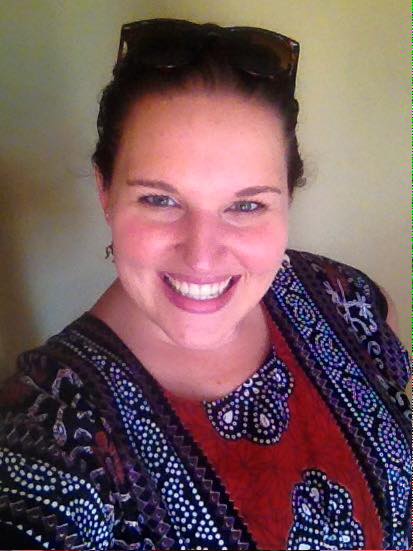
Name: Mary Beth Knipper
Major: Biomedical Engineering and Anthropology
Graduation Year: 2015
Fulbright Program: U.S. Student Program Study Grant 2015 – 2016 and Fulbright-Hayes Doctoral Dissertation Research Abroad (DDRA) Scholar 2024 – 2025
Country: Lesotho
What made you want to apply for Fulbright in the first place?
In 2015, I applied to the Fulbright Student Program to build my Sesotho language skills and conduct pre-doctoral research before pursuing my MD/PhD in cultural anthropology. Years later, I applied again for a Doctoral Dissertation Research Abroad (DDRA) Grant to fund my doctoral research!

What was your most memorable experience during your grant year?
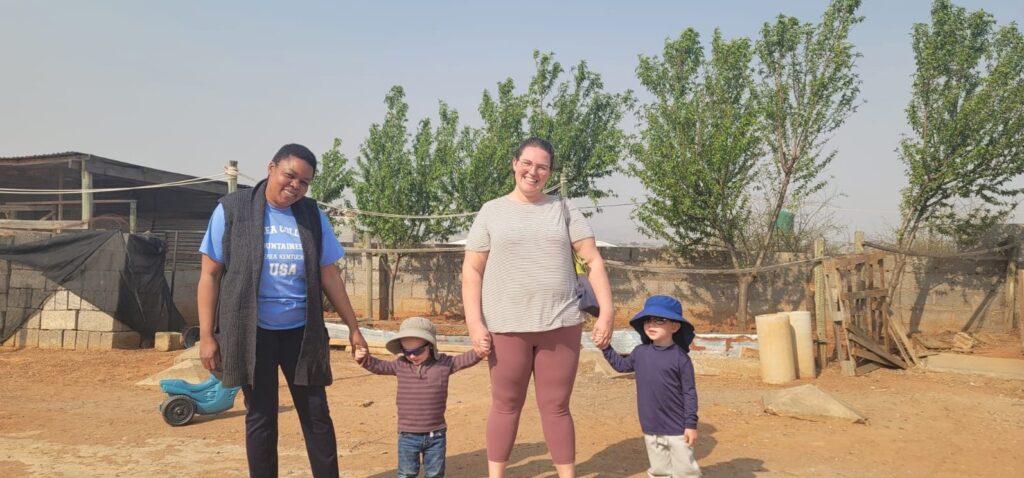
Seeing my two young sons, aged 2 and 4, form connections with my Basotho friends and family in Lesotho brought me immense joy. I was excited to introduce my family to a country and culture that is deeply meaningful to me, both personally and professionally. This past year was truly wonderful for our little family!
What program/country did you choose and why?
I conducted Medical Anthropology Research in Lesotho towards my PhD in Anthropology.
What did a typical day look like?
We started our mornings with family time, coffee, and breakfast. After breakfast, I would clean up, take a bucket bath, and then fetch water for the day from the village pump while the kids played outside. I would wash the dishes by hand outdoors. Following that, my research assistant, Mme Thabang, and I would go out for ethnographic interviews in the village or to work at the local health clinic. Meanwhile, my husband, Jake, stayed home with the kids, tending to the garden and assisting with household chores. We usually enjoyed a family lunch together. In the afternoons, I wrote field notes while Thabang and Jake handled the dishes and other chores. Afterward, it was nap time for everyone. In the evenings, our family often took a walk around the village, greeted neighbors, let the kids play on the soccer field, visited the village shop, and chatted with the local women. This inevitably inspired more field notes for me in the evening! Ha! Finally, we had dinner, followed by bedtime.
What did you discover about yourself?
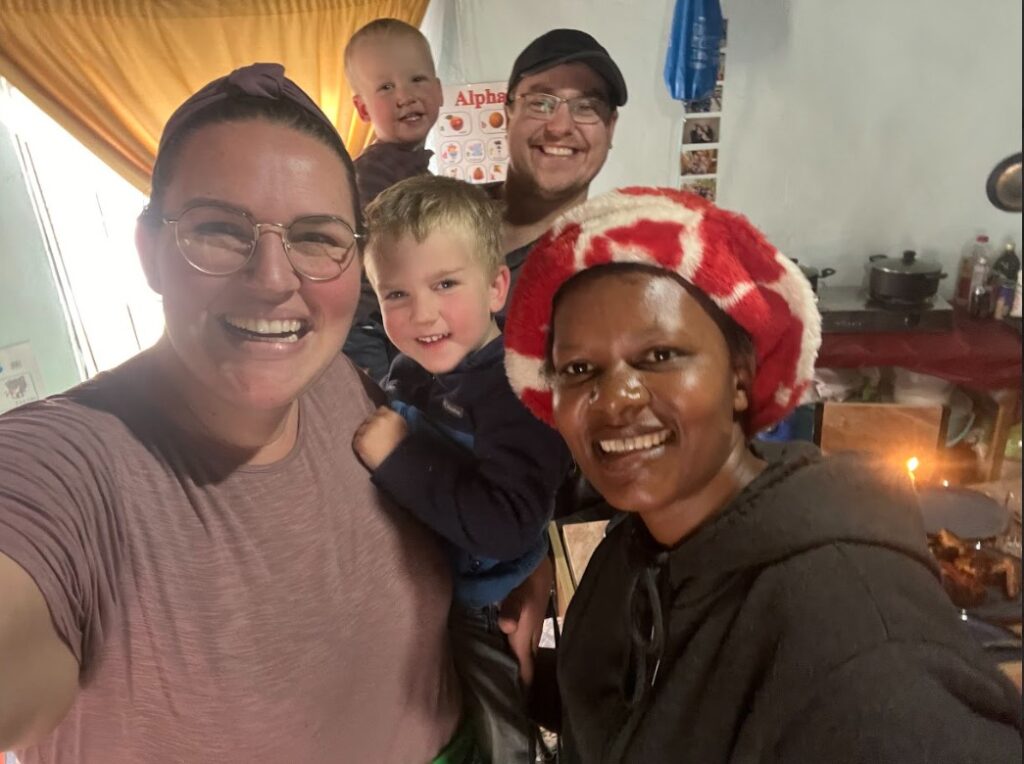
Over the years, my experiences living in Lesotho have profoundly changed me. My Basotho friends often joke that I become a bit more “Mosotho” with every visit! I can see these changes reflected in my preferences for music, fashion, and art. It influences the way my family cooks, the traditions we create, and the Sesotho expressions that have become part of our daily lives. It shapes my values, informs my parenting style, and frames the ideal future I envision for my family and the world. Realizing how deeply my “life abroad” has influenced every aspect of my identity is such a special revelation.
Post-Fulbright, what are you doing now?
I am a medical anthropologist and an MD/PhD student in Cultural Anthropology at Rutgers University (New Brunswick, NJ). Currently, I am writing my dissertation after completing a year of qualitative ethnographic fieldwork in the eastern highlands of Lesotho, which was funded by a Fulbright DDRA Grant. My doctoral research explores Basotho women’s immunological concepts, practices, and embodied experiences of “immunity” during the perinatal period.

In what ways did your Fulbright program inform your current/future path? Anything unexpected?
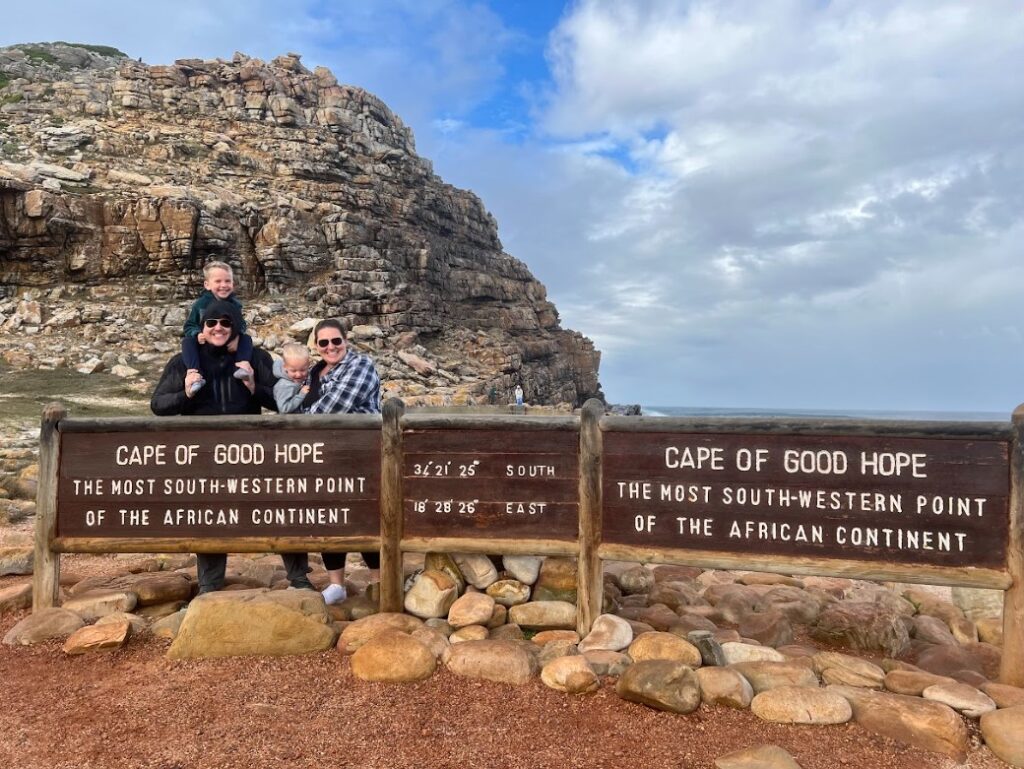
Fulbright has played a crucial role in funding my graduate studies. As an anthropologist and mother of two young children, very few grants supported my family’s travel with me during my long-term ethnographic fieldwork abroad for my PhD. Fulbright stands out in this aspect! I am extremely grateful for Fulbright’s commitment to including academics and students with family and domestic responsibilities.
What advice would you give to prospective Fulbright applicants?
Before applying, answer these questions: Why are YOU the perfect (and potentially only) person who could possibly do this work? Why this place? This moment? This question? This language? If you can make an argument for why every moment in your education/life has led up to this one opportunity… And you’re the only person who can do this work… Then you’ve got a stellar shot at getting funded!
The Fulbright Program is sponsored by the U.S. government and is designed to increase mutual understanding between the people of the United States and the people of other countries. The program operates in over 160 countries worldwide. Over 2,000 grants are given to graduating seniors, recent alumni, and graduate students to conduct research, carry out creative projects, pursue a year of postgraduate study, or teach English abroad.VCU’s National Scholarship Office (NSO) assists students and recent alumni with the application process for the Fulbright Program and other esteemed awards. To learn more about external funding opportunities, schedule an appointment with a member of the NSO staff.
Categories Fulbright Award