
Software Engineering Center at VCU aims to train engineers that build robust, long-lived applications
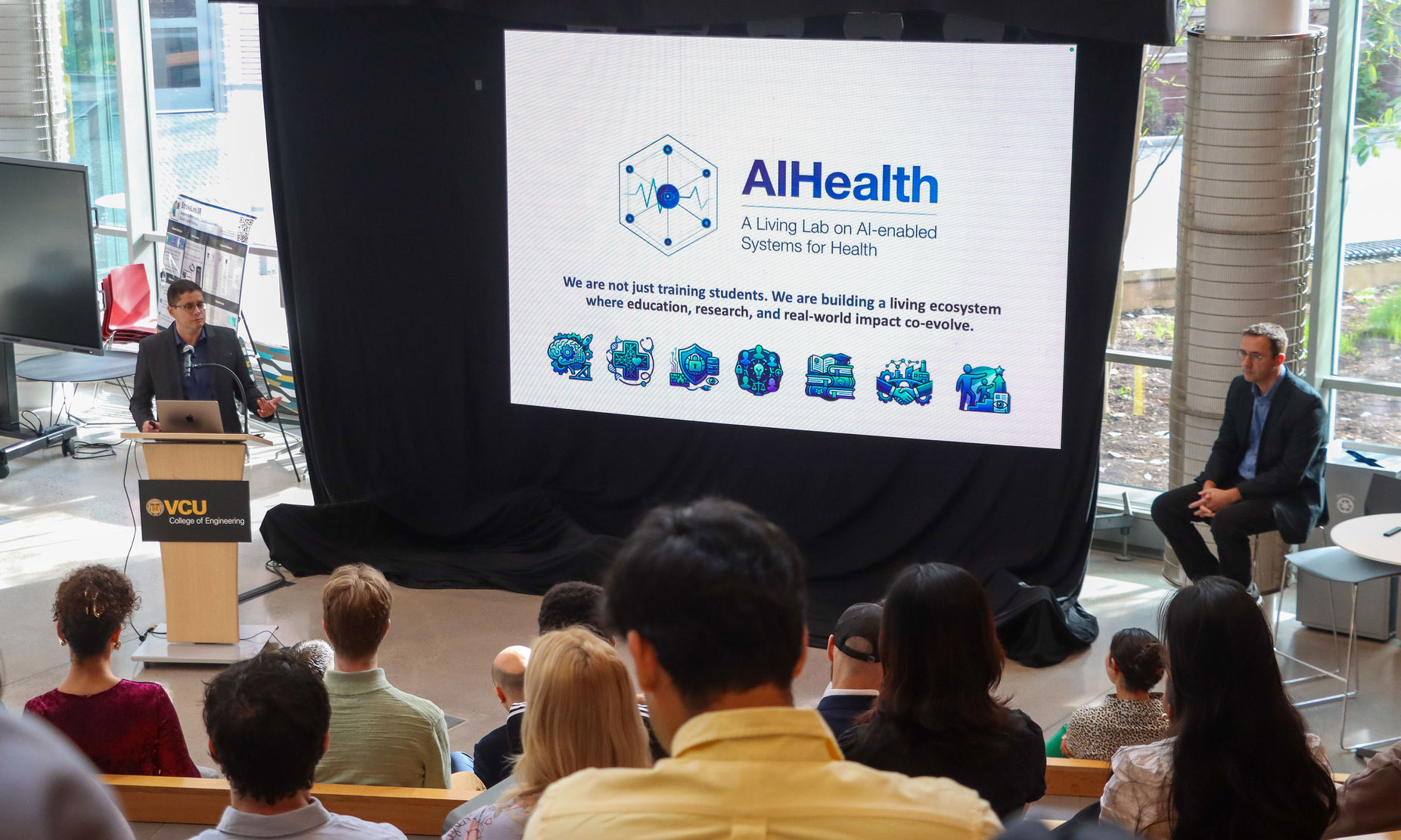
With more than $3.5 million in NSF support, the center is developing software and AI solutions for critical industries, like healthcare
Developing software efficiently is an important part of software engineering, but it is only one part of the broader lifecycle. Ongoing maintenance and support can account for 65% to 85% of an application’s total cost, according to a 2024 analysis by the International Software Benchmarking Standards Group. The Virginia Commonwealth University (VCU) College of Engineering recently launched the Software Engineering Center to teach the next generation of software engineers the best way to build software.
“Our vision is to establish the VCU College of Engineering as a global hub for software engineering research, where new ideas, technologies and talent come together to redefine how complex software systems are built and trusted,” said Rodrigo Spínola, Ph.D., associate professor in the Department of Computer Science. “From foundational advances in software engineering to immersive solutions for healthcare, the center will drive innovations that shape the future of digital society.”
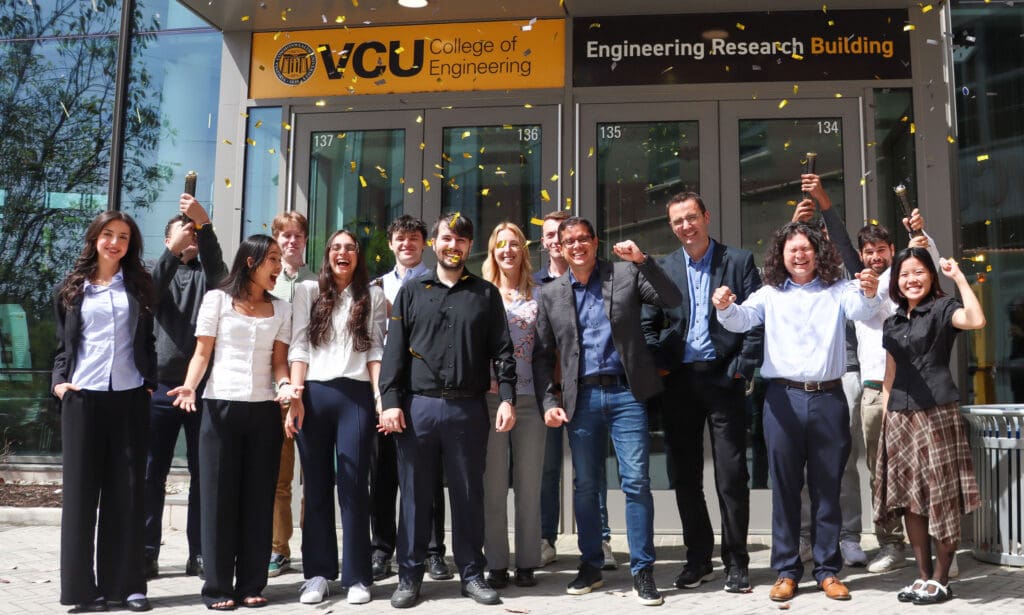
Supported by more than $3.5 million in National Science Foundation (NSF) funding, the Software Engineering Center at VCU reflects the growth of research and collaboration at the College of Engineering. Undergraduate and Ph.D. students at the center are forming strong interdisciplinary collaborations with groups like the VCU Department of Neurology, where researchers are developing both software and AI solutions for use in healthcare. International collaborations with the University of Salerno in Italy and Singapore Management University expand these partnerships to the global research community. The Software Engineering Center at VCU is currently preparing to host the International Conference on Software Analysis, Evolution and Reengineering (SANER 2027), bringing leading researchers from around the world to Richmond and establishing VCU as a hub for software engineering research, education and innovation.
“A Software Engineering Center is especially relevant today in the age of AI because software engineering is about much more than coding. It is about design, testing, validation and the disciplined development of real-world systems that people can trust. As AI helps us create software at a very rapid pace, these software engineering capabilities will become even more important,” said Kostadin Damevski, Ph.D., professor in the Department of Computer Science. “A center like this provides the engineering expertise, methods and infrastructure needed to turn fragile project code into trustworthy, maintainable and high-impact software that supports research, education and real-world deployment.”
Additional partnerships with organizations like the Korea Creative Content Agency and Commonwealth Cyber Initiative allow the Software Engineering Center at VCU to advance research and education aimed at improving how complex software systems are designed, developed and maintained. It focuses on areas such as software evolution, technical debt, fairness in software systems, empirical software engineering and the engineering of AI-enabled systems, particularly in domains like healthcare. Through interdisciplinary collaboration and hands-on student involvement, the Software Engineering Center develops methods and technologies that make software systems more reliable, ethical and sustainable.
View more photos from the event here.
The Department of Computer Science provides undergraduate and graduate students with the opportunity to perform real-world research as soon as they enroll. From designing algorithms to solving complex computing problems to working with cutting-edge AI technology, students gain understanding of many important computing topics. Browse videos and recent news from the Department of Computer Science to discover how the College of Engineering at Virginia Commonwealth University prepares the next generation of scientists and engineers for the challenges of the future.
Categories Computer Science, Faculty Awards, Research Grants