Team
Our Team
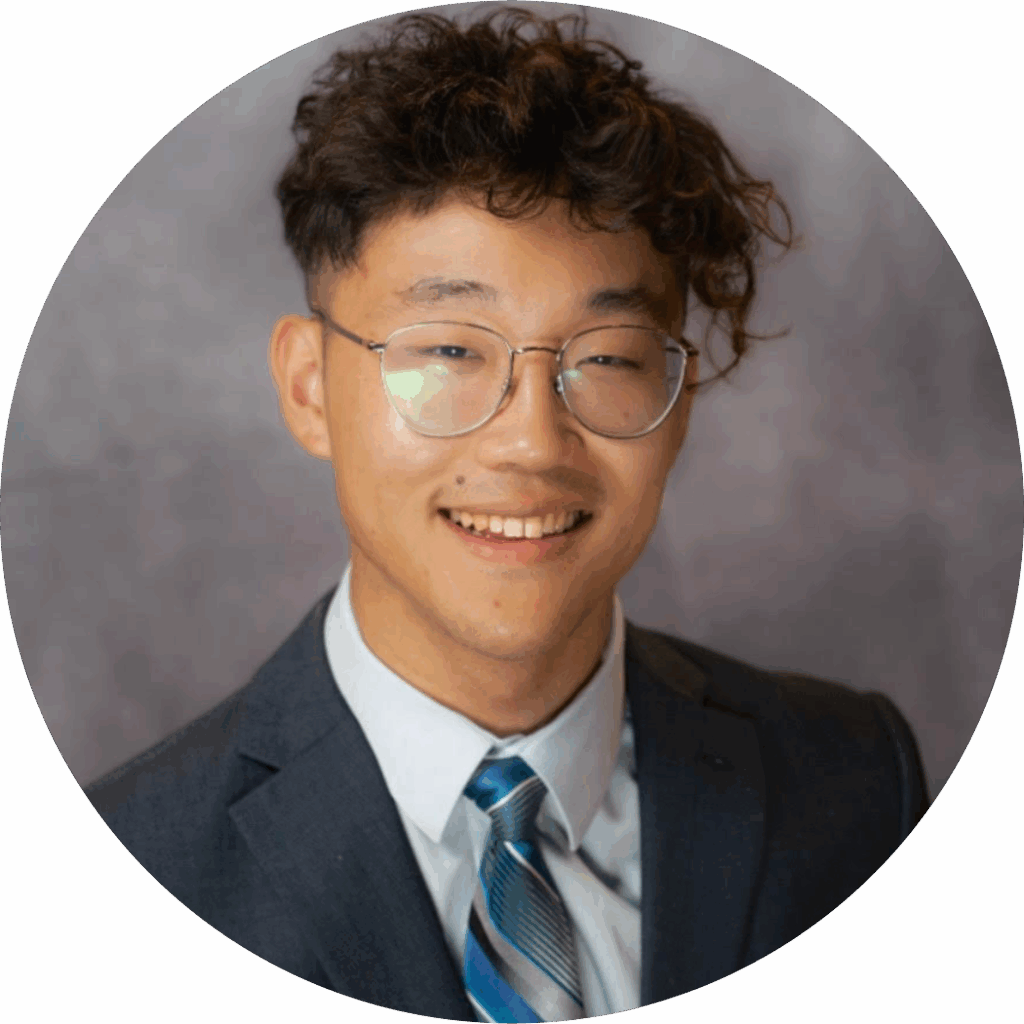
David T. Zhu, Director
David is a third-year MD/PhD candidate in Health Policy at Virginia Commonwealth University. His research focuses on behavioral economics, clinical care delivery, substance use disorders, and the proliferation of novel adulterants in the fentanyl-dominated illicit drug supply. He has authored more than 60 peer-reviewed publications in leading journals, including The Lancet, The Lancet Regional Health — Americas, JAMA Internal Medicine, JAMA Psychiatry, JAMA Health Forum, JAMA Network Open, BMJ Injury Prevention, Nature Scientific Reports, and Harm Reduction Journal. He also serves on the editorial board of PLOS One and conducts pharmacoepidemiology research at the Program on Regulation, Therapeutics, and Law (PORTAL) at Brigham and Women’s Hospital.
David’s contributions to addressing the overdose crisis have been recognized with numerous national and international honors, including the Diana Award, the Boston Congress of Public Health’s 40 Under 40 in Public Health Catalyst, the National Minority Quality Forum’s 40 Under 40 Leaders in Minority Health, and the U.S. Public Health Service’s Excellence in Public Health Award. Most recently, he was selected as a delegate of the 8th Lindau Nobel Meeting in Economic Sciences in Germany.
Advisors
Chloe Gao, Program Advisor
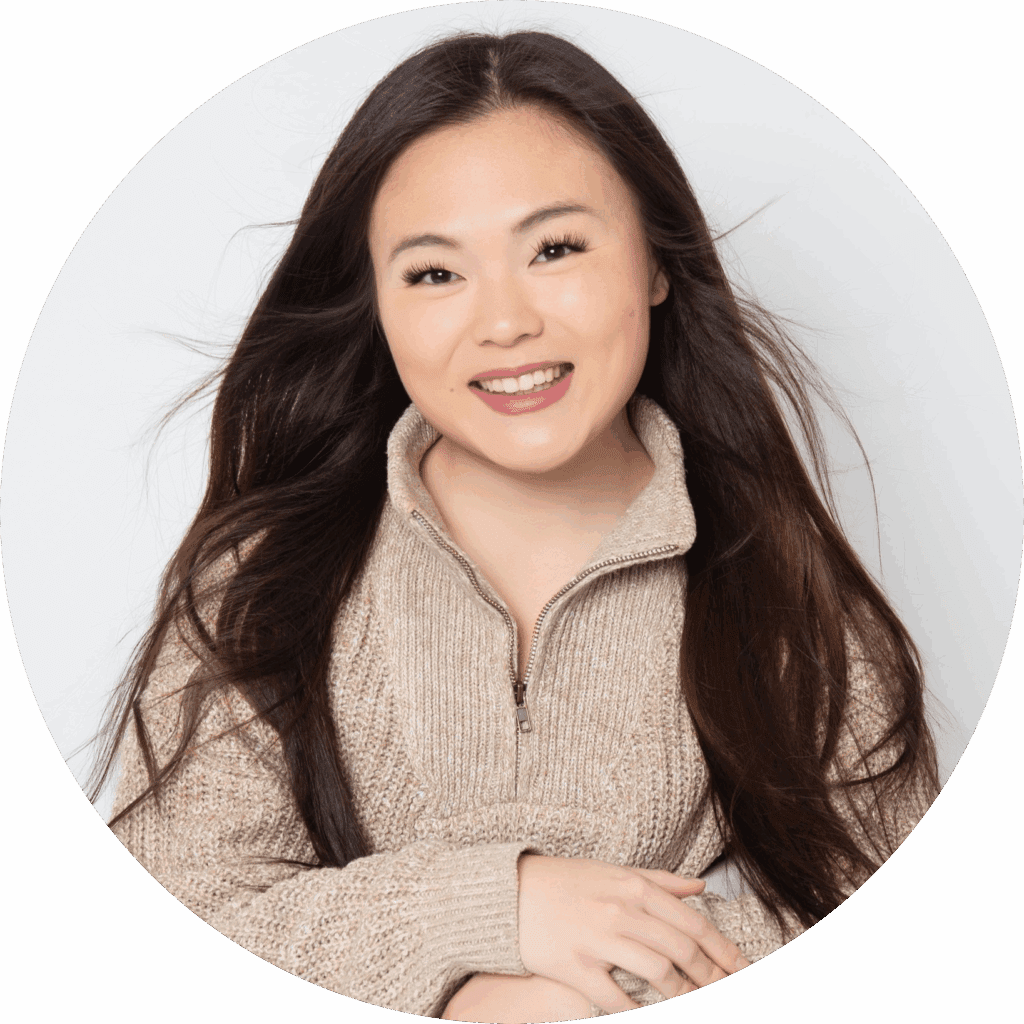
Chloe Gao is an MD/PhD Candidate at the University of British Columbia in Vancouver, Canada, whose work sits at the intersection of clinical medicine, public health, and health equity. Her research focuses on eating disorders, substance use, and health-care utilization among children and adolescents, with particular attention to culturally informed care and structural determinants of health. She has worked with large population-based datasets in Canada, US, UK, and Australia and is interested in translating research into policy-relevant and community-grounded recommendations.
Rishi Ray, Program Advisor
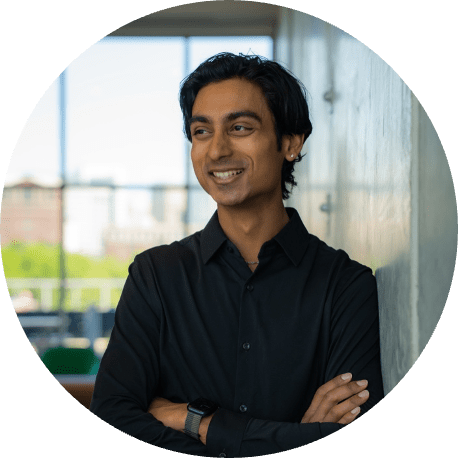
Rishi Ray is an MD Candidate at Virginia Commonwealth University School of Medicine with several years of experience mentoring budding researchers across the high school, undergraduate, and graduate levels. His research centers on healthcare delivery, with a focus on cutaneous outcomes in understudied populations, healthcare utilization patterns, and rare immune-mediated inflammatory disorders. He has worked extensively with large, federated electronic health record databases in the United States to examine national-level trends in care and outcomes.
CISMPH Fellows
Abby Choy, 2026-2027 Fellow

Abby Choy is a recent graduate of the University of California, Riverside, where she earned a degree in Biology with a minor in Public Policy. She currently works at the California Health Benefits Review Program, contributing to timely, impartial analyses that evaluate the medical effectiveness, cost impact, and public health implications of proposed and existing health insurance benefit mandates and repeals for the California State Legislature.
In addition to her policy research experience, Abby has demonstrated a strong commitment to advocacy and community leadership. As the former student body president of UC Riverside, she focused on addressing food insecurity, fostering community engagement, and empowering students through institutional support and programming. Her academic and professional interests center on integrative social medicine and population health, shaped by her lived experiences and driven by a commitment to advancing equitable health systems that improve patient outcomes.
In the future, Abby aspires to pursue a career as a physician informed by rigorous health policy analysis, with the goal of contributing to evidence-based reforms that improve access, equity, and patient outcomes across diverse communities.
Adam Vo, 2026-2027 Fellow
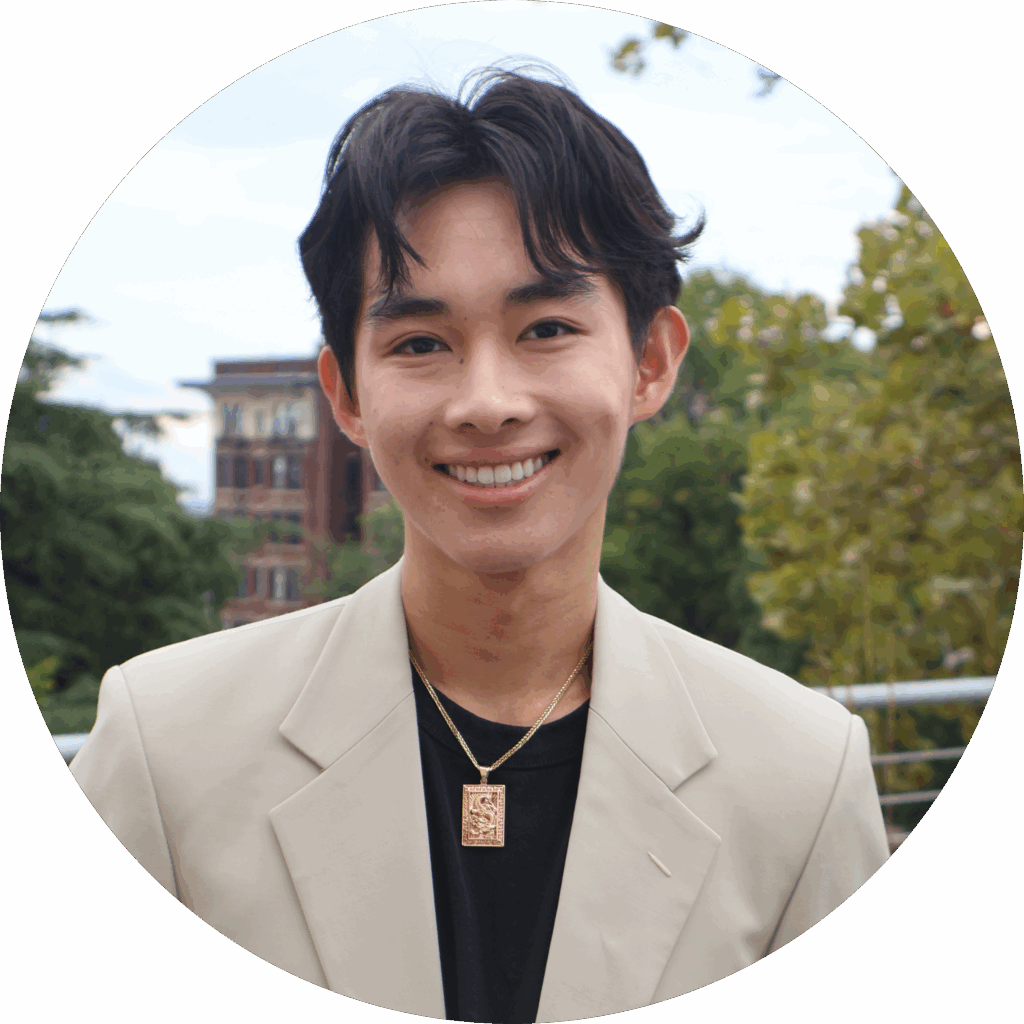
Adam Vo is a third-year undergraduate at Virginia Commonwealth University in the Guaranteed Admission Program for Medicine (BS/MD). His interests lie at the intersection of clinical medicine, social medicine, and population health, with a particular focus on how healthcare systems shape access, patient experience, and equity.
Adam’s work emphasizes community-engaged leadership and systems-level approaches to reducing structural barriers in education and healthcare. He is the Executive Director of Personalized Exploration for College Success (PECS), a youth-led 501(c)(3) nonprofit partnered with Richmond Public Schools, where he leads a diverse team providing college access and advising support to students across two local school districts. His leadership centers on population-level impact, sustainable service delivery, and navigating institutional systems rather than one-off service.
In parallel, Adam is involved in clinical research at the VCU Health Parkinson’s and Movement Disorders Center, working with neurocognitive and EEG data from patients with neurodegenerative disease. He also has experience in patient education outreach and has volunteered in hospice and community-based service settings.
Through CISMPH, Adam hopes to further explore how research, policy, and community contexts can be integrated to improve care delivery and advance equitable population health outcomes.
Alex Sheehan, 2026-2027 Fellow
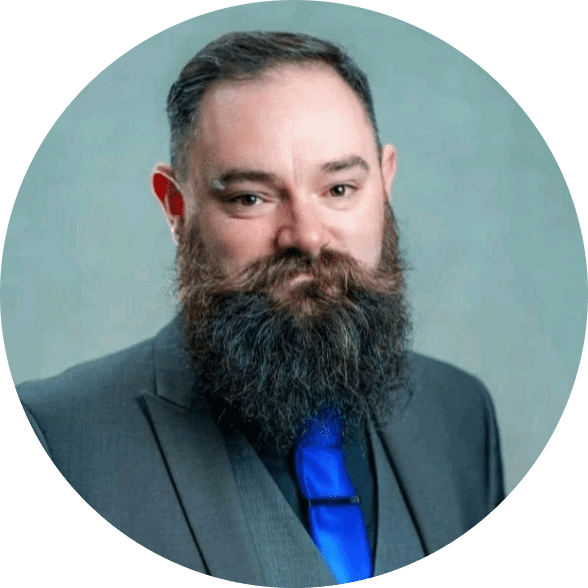
Alex Sheehan is a lived experience mental health advocate and behavioral health care program manager, overseeing a portfolio of statewide programs, initiatives and contracts that improve access to mental and behavioral health care treatment and recovery supports. His personal and professional expertise is augmented by his academic scholarship where Alex is a fourth-year Doctor of Public Health (DrPH) Candidate at Tulane University. His research focuses on the impacts of lived experience with mental illness on state-level mental and behavioral health policy innovation and sustainability.
Alex has served in various leadership, advocacy and governance roles in the mental health sphere at local, state, national and global levels. Currently, Alex supports his academic and professional work with service as a Lived Experience Council Member of One Mind and the Healthy Brains Global Initiative, Health Policy Research Scholar at Johns Hopkins Bloomberg School of Public Health, Elinor Ostrom Fellow at the Mercatus Center of George Mason University, and Chair-Elect of the Mental Health Section of the American Public Health Association. In these roles, Alex seeks to emphasize and elevate how lived expertise by experience is integrated and embedded into the research-to-policy pipeline.
In August 2024, he co-founded the Global Network of Health Equity Doctoral Scholars whose mission is to empower doctoral and post-doctoral scholars to connect, collaborate, and support one another in advancing health equity through bridging academic scholarship, professional experience, and lived expertise. Alex believe that meaningful policy change happens when it is rooted in equity, dignity, and guided by individuals with lived or living experience.
Antony Lin, 2026-2027 Fellow
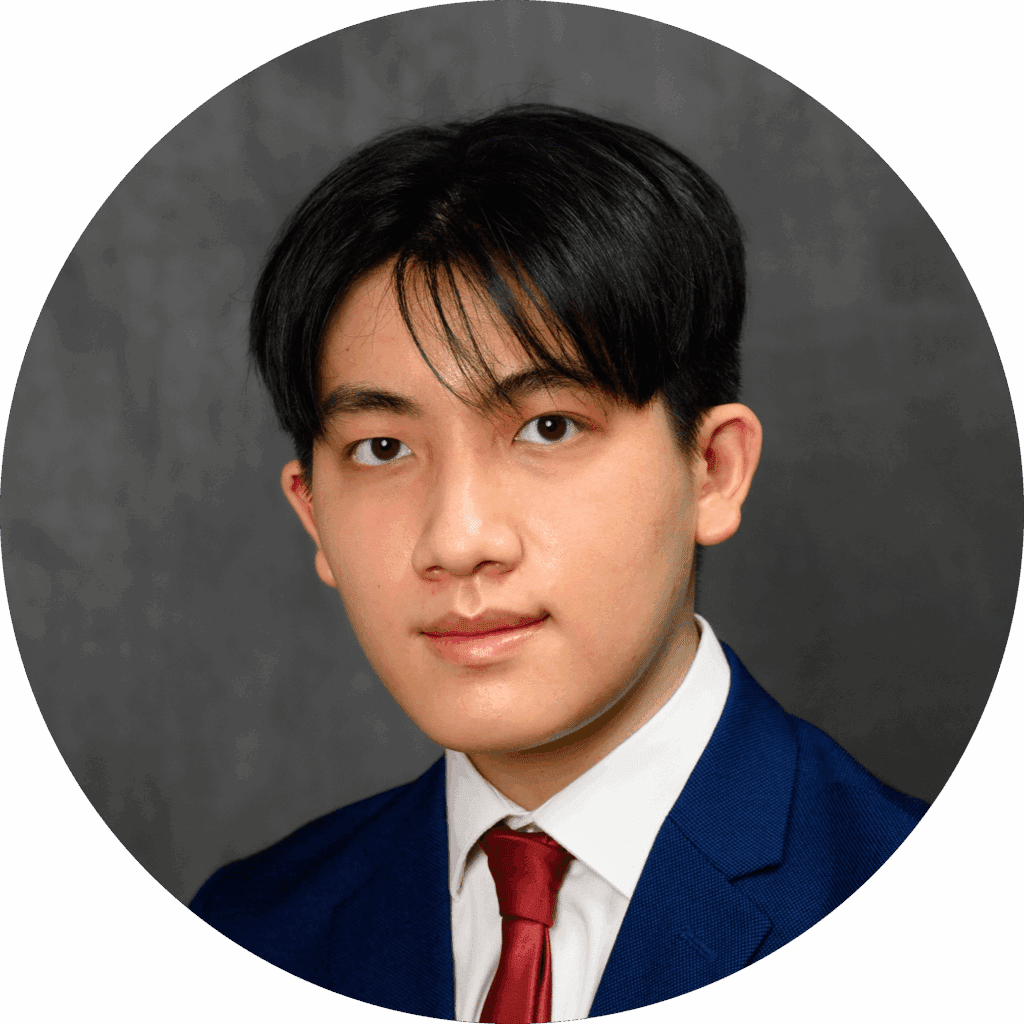
Antony is a first-year MPP student at Georgetown University. He previously obtained his MPH in Chronic Disease Epidemiology at the Yale School of Public Health and BS in Anthropology at UCLA. During his time in LA, he worked as a clinical research associate in women’s heart health, designed social media graphics and ran accounts for a nephrology clinical research center, and served on the leadership team at the UCLA Health Care Extenders Program. While in CT, he served as director for medical debt and insurance counseling at a student-run free clinic, interned at pharmaceutical companies and a managed care organization, and performed research in pediatrics and oncology.
His research interests lie in chronic disease, healthcare access, and Medicaid. Currently, he works as a research assistant at the Georgetown Center for Children and Families as well as the Lombardi Comprehensive Cancer Center.
Arjun Nair, 2026-2027 Fellow
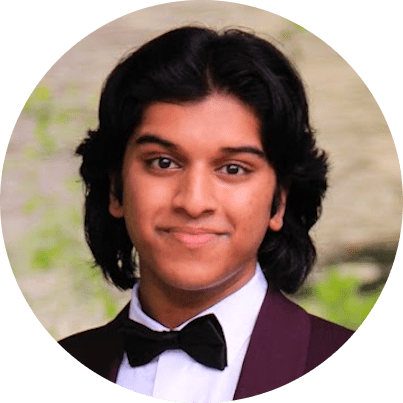
Arjun Nair is a BS/MD student at Virginia Commonwealth University majoring in Biology. He conducts research with the IVY (In Recovery) Lab housed in VCU’s Institute for Drug and Alcohol Studies. His work focuses on supporting pregnant and parenting people with substance use disorders, including examining birthing outcomes among individuals with cannabis use disorder and contributing to the development of a novel patient-navigation intervention led by peer recovery specialists to promote optimal maternal health and recovery outcomes.
Previously, Arjun worked with the HAPPY Lab at the University of Maryland School of Public Health, where he contributed to a project evaluating facilitators and barriers to behavioral health care coordination for racial and ethnic minorities in the post-pandemic period. In addition to his research experience, Arjun has served as an intern with the Maryland State General Assembly, gaining exposure to state-level health policy and legislative processes.
Arjun’s research and clinical interests center on HIV care and substance use disorders, with a particular focus on understanding how gaps in addiction treatment contribute to infection risk and health inequities. He also serves as a Student Board Member of the American Academy of HIV Medicine.
Arnav Ajay Jadav, 2026-2027 Fellow
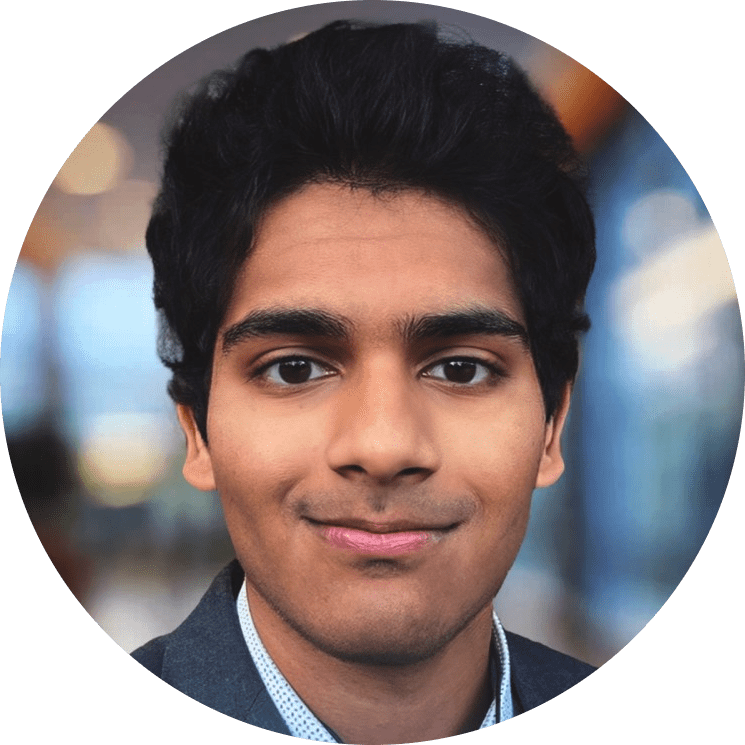
Arnav Ajay Jadav is an aspiring physician–policymaker committed to reforming global healthcare delivery and building equity-driven models that safeguard care continuity for vulnerable populations. His research bridges translational neuroscience, epidemiology, and implementation science, with publications in Hypertension, Circulation, and The Hartford Courant.
Carson Ferrara, 2026-2027 Fellow

Carson Ferrara, MPH, is a recent graduate of the Yale School of Public Health, where he earned his Master of Public Health in Social and Behavioral Sciences. At Yale, his research focused on substance use, harm reduction, and firearm injury prevention at the intersections of behavioral health, healthcare policy, and law. His master’s thesis examined access to harm reduction resources within formal treatment settings for people who use drugs.
He currently serves as the Hospital Liaison and Systems Integration Manager for CLEAR, a deflection-based grant program at the behavioral health nonprofit Liberation Programs, where he works at the interface of healthcare systems, law enforcement, and community-based responses to substance use. Through the CISMPH Fellowship, Carson looks forward to developing skills that will further his long-term goal of bridging public health research, healthcare delivery, and policy to improve health equity and outcomes.
Charles Chu, 2026-2027 Fellow
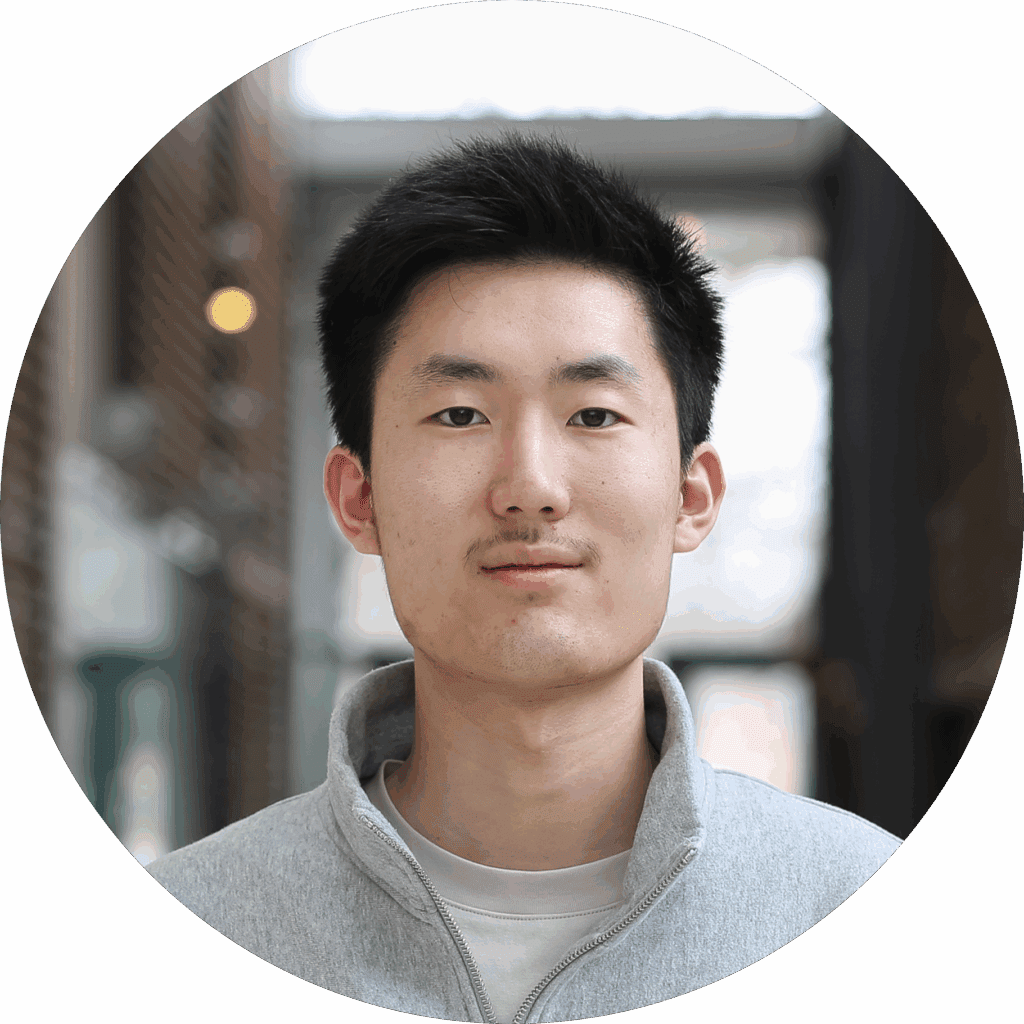
My name is Charles Chu, I am a graduate of the Bachelor of Health Sciences (Honours) program at Queen’s University in Canada. During my undergraduate studies, I completed three summer research projects two of which were supported by student grant programs such as the NSERC USRA program. My first two summers and my third-year thesis focused on leveraging mitochondrial dynamics to sensitize triple-negative breast cancer and high-grade serous ovarian carcinoma cells to chemotherapy, under the supervision of Dr. Edmond Chan. My third summer and fourth-year thesis shifted toward immuno- oncology, where I studied immunotherapy combinations and developed co-culture systems to model therapeutic interactions in non–small cell lung cancer, under the guidance of Dr. Pierre-Olivier Gaudreau and Dr. Andrew Craig at the Sinclair Cancer Research Institute.
Beyond academics, I am deeply passionate about outreach, youth empowerment, and equitable access to health and academic education. I am actively involved in teaching and program development, with a particular focus on supporting newcomer populations in Canada. One of my most meaningful initiatives has been the design and piloting of a summer STEM and health sciences camp for immigrant, refugee, and international students in the Greater Toronto Area. This program aims to help students explore their interests and inspire them to pursue pathways toward leadership in health and STEM fields. Since its launch in 2023, the program has supported four cohorts of students and continues to grow.
With the support of new grants, partnerships, and ongoing funding applications, we are now working to scale this initiative to other provinces across Canada. In parallel, I am planning a multi-provincial STEM fair, supported by additional fellowships and funding, with the goal of connecting students to opportunities in STEM and health sciences with an emphasis on supporting underserved students.
Cinta Nurindah Sari, 2026-2027 Fellow
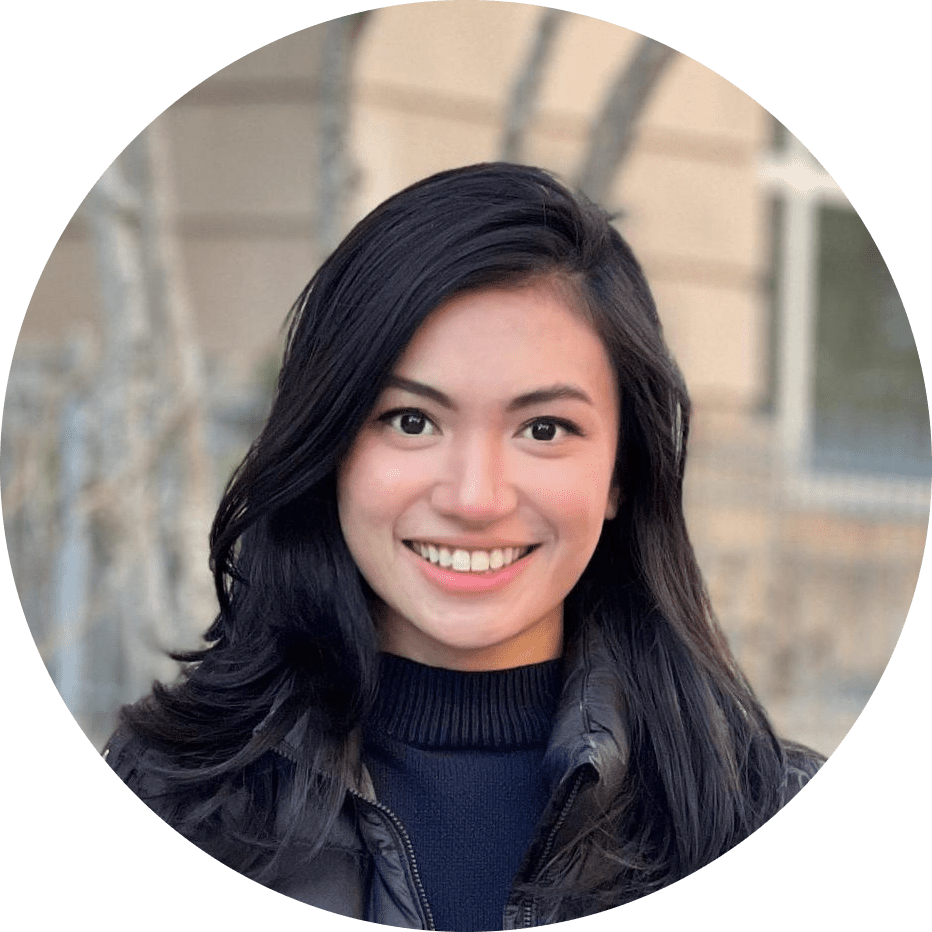
Cinta Nurindah Sari is a Master of Medical Sciences in Global Health Delivery candidate at Harvard Medical School. Her current thesis, supported by the HMS Department of Global Health and Social Medicine and Harvard Asia Center, focuses on the evaluation of a public-private, community-based stunting intervention in Indonesia using a biosocial mixed-methods approach. From this work, she aims to inform scalable, system-level, and culturally grounded solutions to undernutrition.
Cinta served as a Global Primary Care Scholar with the Lancet Global Health Commission on People-Centered Care and is actively involved in the Harvard Indonesian Students Association. She is also a recipient of the Social Impact Fellowship from the Harvard Innovation Labs. Her work centers on strengthening health systems, addressing social and structural drivers of inequality, and amplifying Southeast Asian perspectives within global health and development.
Colin Mach, 2026-2027 Fellow

Colin Mach is a first-year medical student at Georgetown University School of Medicine in Washington, DC. He currently works with the MedStar Health Research Institute as an implementation science research assistant, helping translate oncology care workflows into clear, plain-language materials for patients and caregivers, including messaging for an electronic patient-reported outcomes (ePRO) monitoring program. He also serves as a Student Ambassador for Georgetown, supporting admissions programming and mentoring prospective and admitted students.
Alongside his clinical training, Colin is deeply involved in health policy and advocacy. He is an elected at-large member of the American College of Physicians Council of Student Members, advising ACP national leadership on initiatives that strengthen internal medicine career pathways and student engagement. In DC, he serves on the Medical Society of DC Advocacy Committee, contributing physician-facing perspectives on issues such as Medicaid and Alliance program changes, certificate of need reform, and downcoding legislation.
Colin is also active nationally with the American Cancer Society and the American Heart Association, where he supports patient-centered prevention and cardiovascular health priorities through grassroots advocacy and coalition work. He has helped advance efforts focused on tobacco cessation, nutrition, and emergency preparedness, translating community needs into practical policy action.
Debbie Zhao, 2026-2027 Fellow
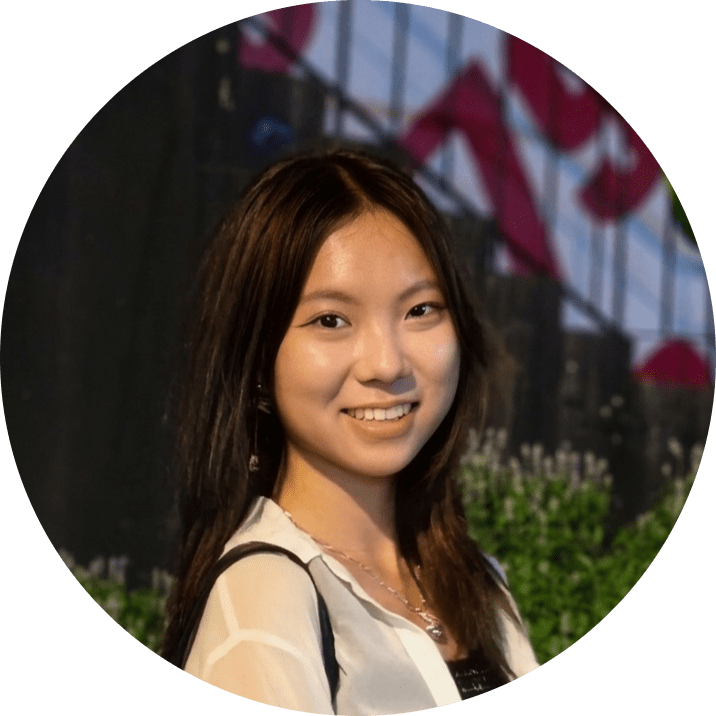
Debbie is currently a fourth-year student at Western University completing an Honours Specialization in Interdisciplinary Medical Sciences and intends to pursue a master’s degree in health systems research after graduation. She is passionate about adopting pragmatic approaches to health research that prioritize equitable, inclusive, and dignified aging. She has previously contributed to research on tendon physiology in osteoarthritis. Her current research interests focus on addressing critical evidence-to-care gaps and improving the continuity of care in geriatric health services through patient-centered approaches. She is currently involved in a population-based study at the Bruyère Health Research Institute evaluating veteran health outcomes and post-service care policies in nursing homes. Through the CISPMH fellowship, she looks forward to further developing expertise in health economics, policy, organizational behavior, knowledge translation, and implementation science to support effective interventions that advance integrated healthcare.
Diya Laha, 2026-2027 Fellow
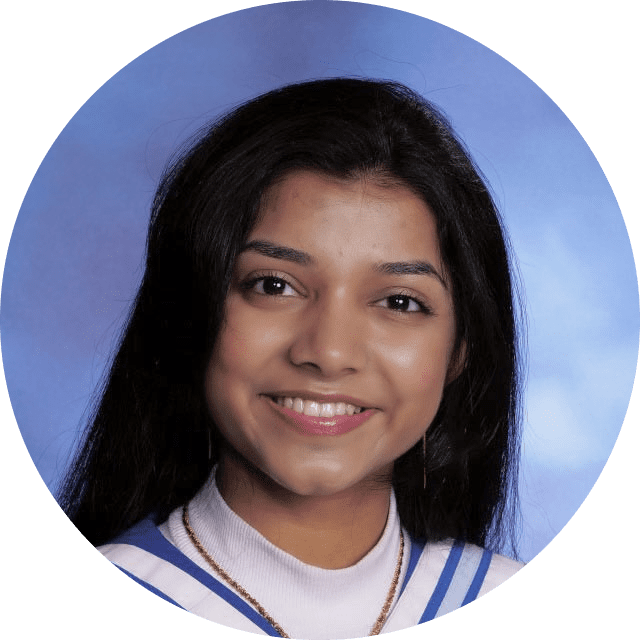
Diya Laha is a second-year Environmental Science student at the University of Calgary, specializing in Biological Sciences. She is passionate about the intersection of environmental and human health and has spent the past two summers conducting research at the Cumming School of Medicine’s Centre for Health Informatics. Her recent work examines the influence of electronic medical record documentation on data quality, supported by a summer studentship. Beyond research, Diya is deeply committed to community service and advocacy. Her leadership and impact have been recognized through several honours, including the Queen Elizabeth II Platinum Jubilee Medallion, the Bill Conconi Award from the Canadian Student Leadership Association, and the Premier’s Citizenship Award.
Dhanush Bearelly, 2026-2027 Fellow
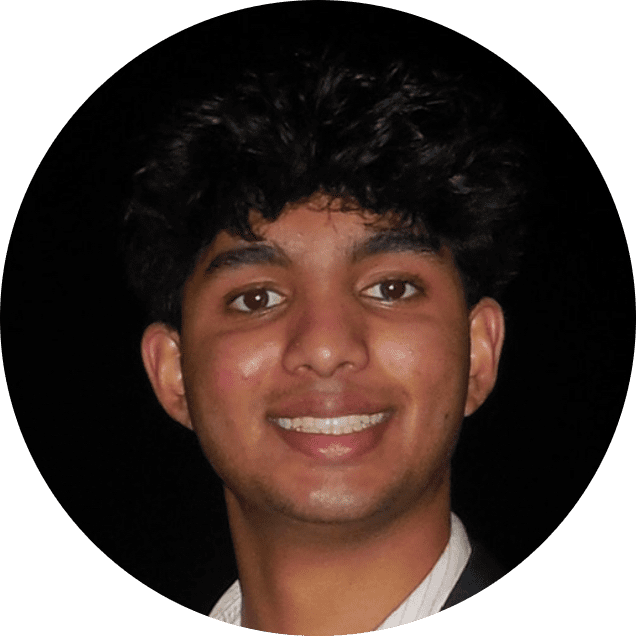
I am a sophomore Biology major at Virginia Commonwealth University, enrolled in the Guaranteed Admission to Medicine program. My academic interests include research, community health, and healthcare systems, with a particular focus on how structural and systemic factors influence health outcomes and equity. At VCU, I am involved with AUCTUS, the undergraduate research journal, where I engage with interdisciplinary scholarship and research dissemination. I am also involved with Rotaract, which has strengthened my interest in community service and public health initiatives. Through my academic and extracurricular involvement, I am especially interested in connecting research with meaningful, real-world community impact.
Jaiden Murray, 2026-2027 Fellow
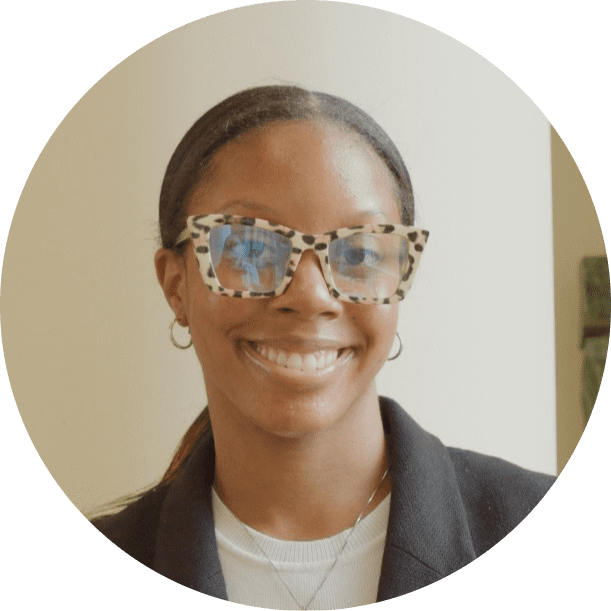
I am a fourth-year undergraduate at the University of Virginia majoring in Global Public Health with a minor in African American and African Studies. My interests center on health equity, particularly how race, gender, disability, and structural factors shape access to care and health outcomes.
Outside the classroom, I am committed to health and wellness and to advancing gender equity within STEM, especially for students and professionals from underrepresented backgrounds. These interests guide my work as a researcher in Health and Disability IT, where I focus on improving systems and experiences for individuals who are often overlooked in traditional health and technology spaces, and on making research more accessible to the communities it is meant to serve.
I also conducted cancer research as a clinical research assistant on projects focused on platinum-resistant ovarian cancer and the role of glycosaminoglycans and related enzymes in disease progression and treatment response, collaborating closely with physicians and research teams and contributing to posters and presentations that translate complex findings into actionable insights.
Looking ahead, I plan to pursue a Master of Public Health and a medical degree, motivated by an awareness of persistent healthcare disparities and a commitment to ensuring that all patients receive high-quality, compassionate, and equitable care, particularly those from communities that have historically been marginalized in medicine and public health.
Kasey Johnson, 2026-2027 Fellow
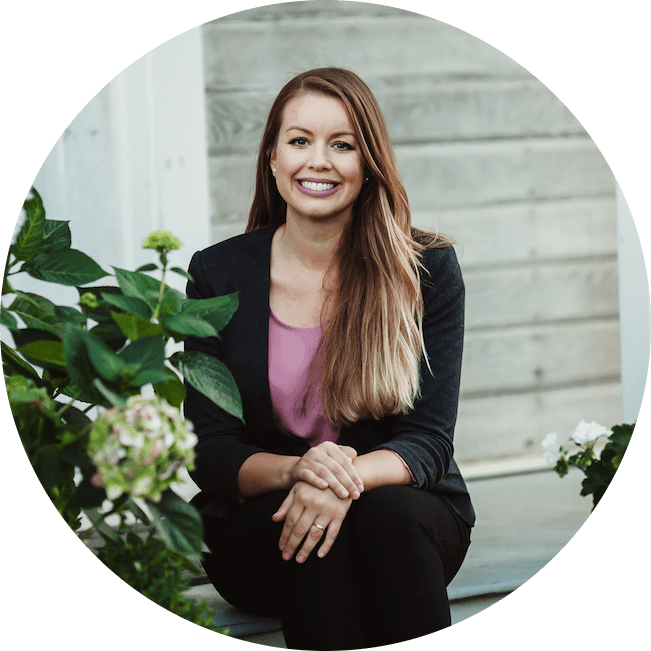
Dr. Kasey Johnson is a rural psychiatrist committed to building health equity and community partnerships that transform medical education pathways and create culturally safe care in addiction and mental healthcare settings. Born and raised in the rural Pacific Northwest, she graduated from Reed College, earning a Bachelor’s in English and went on to earn a Master’s in English Literature at the University of New Mexico. Prior to medical school, she worked in multiple community non-profit settings serving individuals affected by intersecting social determinants of health. During medical school at Pacific Northwest University of Health Sciences she was awarded a National Health Service Corps scholarship and presented research on transforming the medical education pipeline for low-income and underrepresented in medicine students. While a psychiatry resident at the University of North Dakota she continued to cultivate her passion for rural healthcare and health equity, collaborating with diverse healthcare, non-profit, and community organizations. Her current research interests include medical humanities and arts prescribing, developing a pathways to medicine curriculum for low-income and URiM students, and contingency management and harm reduction in rural addiction medicine. As a rural psychiatrist she is committed to providing culturally safe care, addressing the social determinants of health, building health equity, serving rural and Indigenous populations, and developing community partnerships.
Jonathan Jean Charles, 2026-2027 Fellow
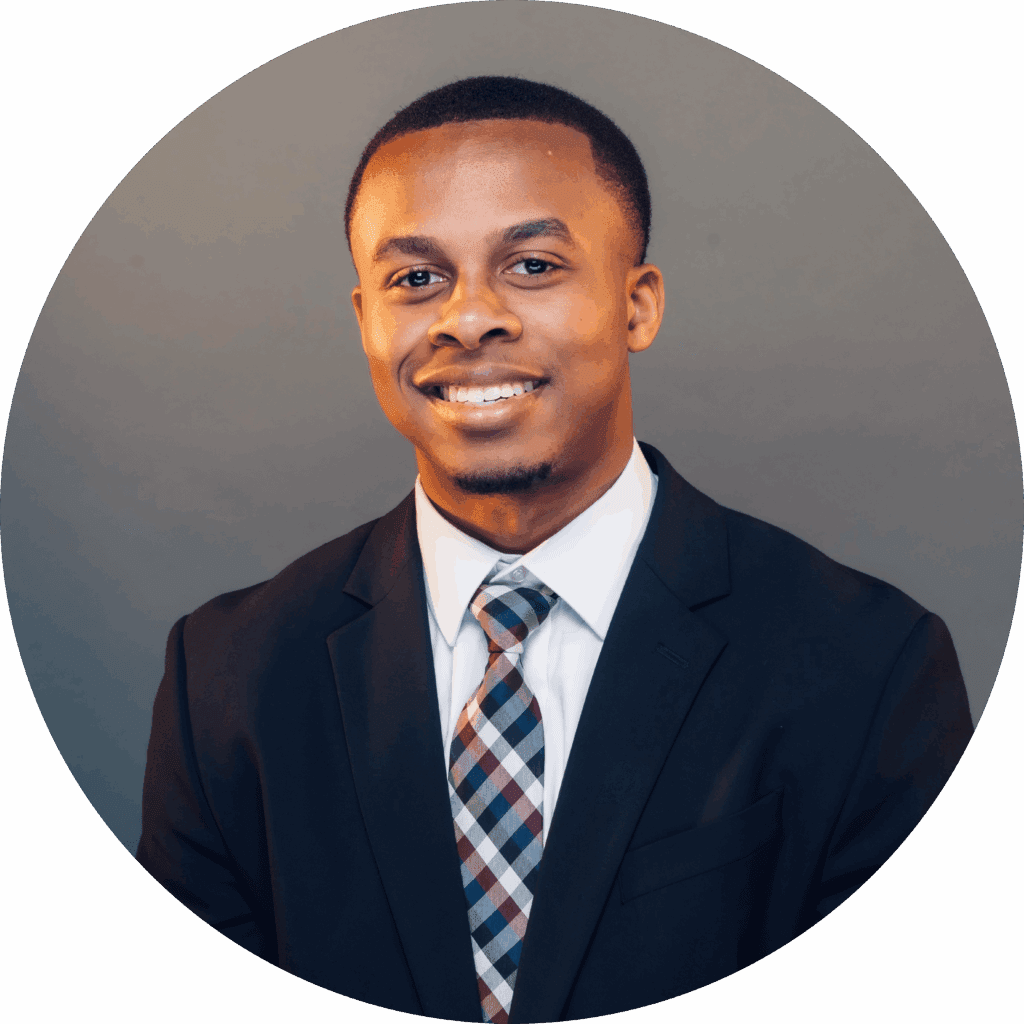
Jonathan Jean Charles is a fourth-year undergraduate student at the University of Miami studying Global Health and Anthropology. Raised in Miami as the son of Haitian immigrants, Jonathan’s academic and professional journey is deeply influenced by witnessing how access to education and healthcare can determine the trajectory of communities. Driven by a belief that education is one of the most powerful tools for social change, Jonathan’s leadership efforts are grounded in three core principles: health equity, educational equity, and mental health advocacy.
Jonathan is actively engaged in research and community initiatives focused on cancer (e.g., acute lymphoblastic leukemia and breast cancer), cardiovascular disease, and mental health. His broader research and clinical aims center on reducing the burden of non-communicable diseases while critically examining the role of social determinants of health in shaping health outcomes.
Jonathan currently serves as the Director of Policy & Advocacy at The CHANGE Project, where he supports community and youth leaders in developing sustainable, evidence-informed health policy initiatives. He is also a part of Fridge of Plenty Miami, a grassroots initiative addressing food insecurity across Miami-Dade County.
Jonathan’s involvement with organizations, including the American Association for Cancer Research, the National Alliance on Mental Illness, and the American Heart Association, continues to highlight his commitment to advancing health promotion and disease prevention through community-centered approaches to healthcare delivery.
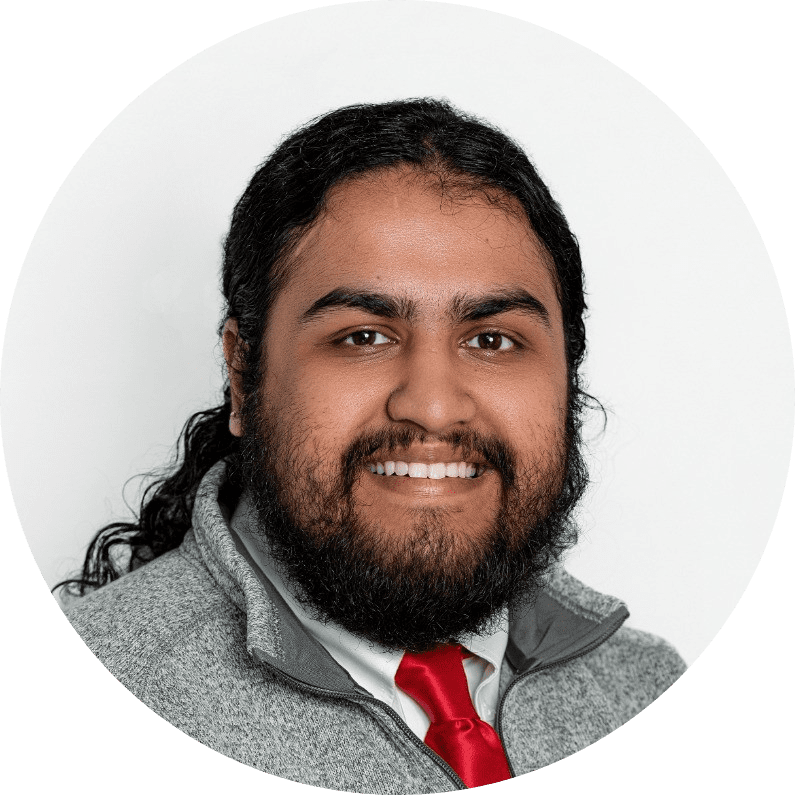
Harshman Sihra, 2026-2027 Fellow
Lauren Daunt, 2026-2027 Fellow
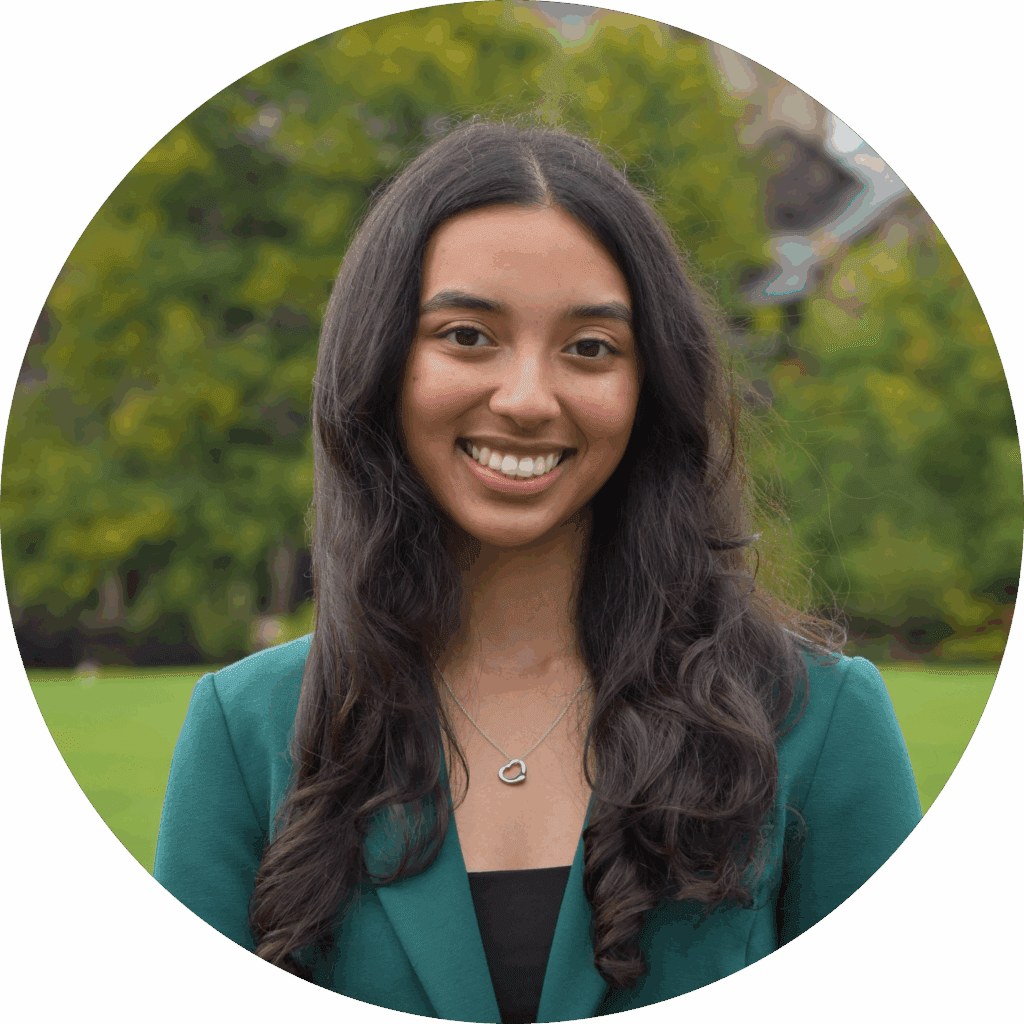
Lauren Daunt is a third-year undergraduate student at the University of Toronto pursuing a Bachelor of Science in Human Biology, Physiology, and Immunology. Her academic and research interests focus on improving equity, patient care, and health outcomes for vulnerable populations.
Lauren is a Research Assistant at numerous institutions, including Toronto Western, Toronto General, SickKids, and St. Michael’s Hospital. At Toronto Western, she studies social function outcomes in older adults undergoing surgical correction for spinal deformity. She is currently completing her undergraduate thesis at Toronto General Hospital on the use of SGLT2 inhibitors in patients at high cardiovascular risk and was previously awarded the Charles Hollenberg Summer Studentship for a related project. She also contributes to research in gastroenterology and nutrition at SickKids and St. Michael’s Hospital.
Beyond research, Lauren is deeply committed to health equity, community building, and student advocacy. She founded the Multiracial Students’ Association (MSA) at U of T, the institution’s first organization dedicated to supporting students of mixed racial backgrounds. Through the MSA, she has helped create an inclusive space that promotes multiethnic student wellness, representation, and community. She also serves as Co-Vice President of the Human Biology Students’ Union, representing 3000+ undergraduate students, and as Co-President of the U of T Institute of Healthcare Improvement (UTIHI), where she leads initiatives focused on advancing health equity and quality improvement.
Recognizing inequities in access to academic and professional opportunities, Lauren founded SSPARK Network, a youth-led nonprofit providing mentorship and research exposure to underserved high school students across the Greater Toronto Area. Outside of these commitments, Lauren enjoys running, playing sports, and co-hosting her podcast, Humans of U of T. She is honoured to join the CISMPH Fellowship and contribute to its mission of advancing integrative healthcare.
Matthew Nuzzolo, 2026-2027 Fellow

Matthew is a graduate student at Duke University, concentrating in Bioethics and Science Policy. He also completed his undergraduate studies at Duke and has developed a strong interest in health economics and policy research related to hearing loss. Matthew currently conducts research at the Duke Margolis Institute for Health Policy and the Duke Hearing and Balance Laboratory. His work focuses on improving the affordability, accessibility, and effectiveness of medical technologies for hearing loss and advancing more cost-effective approaches to hearing loss prevention.
Mukund Desibhatla, 2026-2027 Fellow
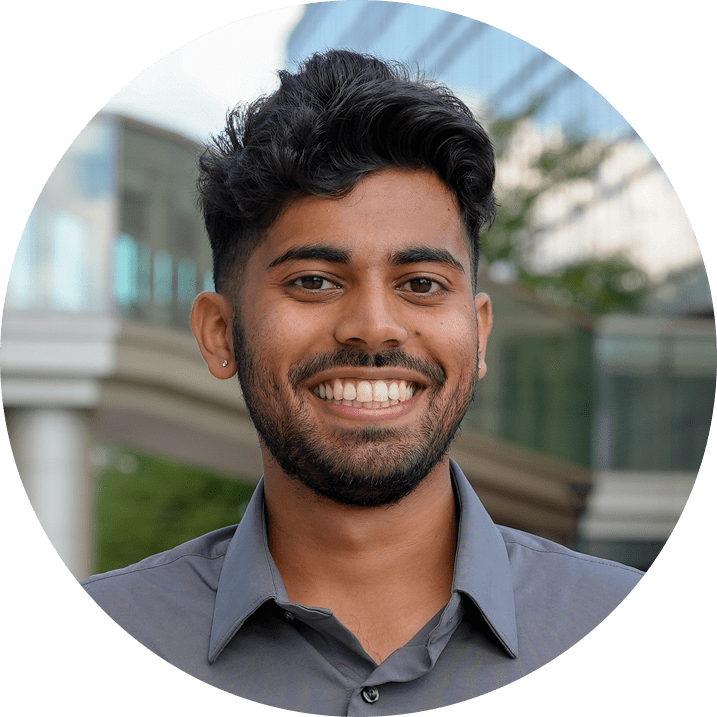
Mukund Desibhatla is a medical student at UMass Chan Medical School with research interests in global health, chronic diseases, and pharmacoepidemiology. He graduated from the University of Connecticut with a double major in Physiology & Neurobiology and Spanish, where his thesis examined the effects of novel antidepressants on effort-related motivation in rat models. He pursued a Master of Public Health in Chronic Disease Epidemiology at Yale University with a concentration in Maternal Child Health Promotion. After securing a Downs Fellowship, Mukund’s MPH thesis focused on the impact of social media on the mental health of American Samoan adolescents. Following his MPH, Mukund joined the Therapeutics & Infectious Disease Epidemiology division at the Harvard Pilgrim Health Care Institute, a subsidiary of Point32Health. As a Senior Research Assistant, Mukund conducted large-scale analyses using the FDA Sentinel Distributed Database to evaluate post-market safety of medical products and inform regulatory decision-making. From urgent White House inquiries to routine drug surveillance, Mukund’s work was most recently presented at the International Society for Pharmacoepidemiology Annual Meeting.
Outside of research, Mukund has a deep passion for filmmaking. His 2023 film “African Wave” centered on the resilience of African students impacted by the Russian-Ukrainian War. He screened it at the APHA Film Festival, Legacy Independent Film Festival, and internationally at the WHO Health For All Film Festival. An aspiring physician, Mukund hopes to empower underserved communities with a strong commitment to humanities, social justice, and population health.
Perisa Ashar, 2026-2027 Fellow
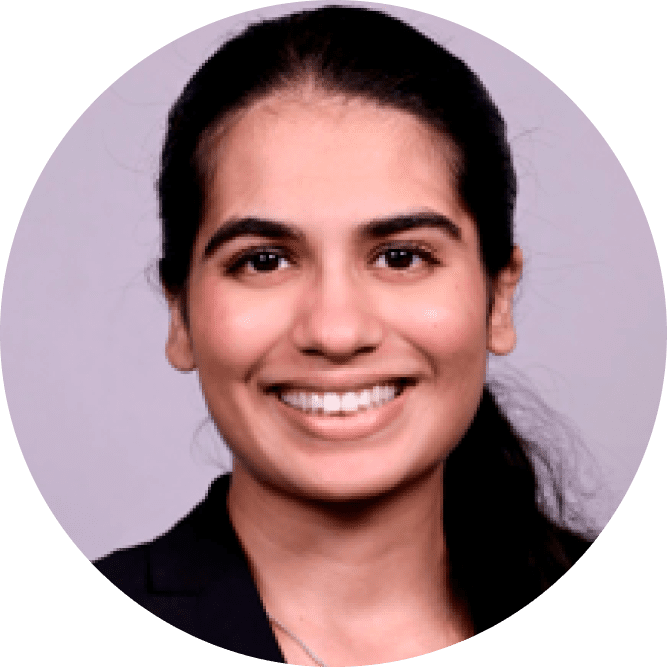
Perisa Ashar, BS is a biomedical engineering researcher and M.S. candidate at Duke University, where she previously earned dual bachelor’s degrees in Biomedical Engineering and Biology as a Robertson Scholar. Her research integrates biomedical data science, digital health, and epidemiology to address inequities in cardiovascular and cancer outcomes.
She conducts research in the Duke Big IDEAS Lab and the Svati Shah Lab and collaborates nationally through the Social Equity Action Lab with students from Harvard, Stanford, and the University of Pennsylvania. Her work spans wearable biosignal analysis, health equity–focused hypertension interventions, and biomarker associations with epicardial adipose tissue. She has co-authored peer-reviewed publications in The Lancet Digital Health, npj Digital Medicine, and the Journal of General Internal Medicine, with research presented at national meetings hosted by the American Heart Association, Heart Rhythm Society, American Diabetes Association, and Endocrine Society. She also has abstracts accepted for publication in The Journal of Clinical Oncology as part of the ASCO Annual Meeting Proceedings.
Perisa has completed research and development internships at Medtronic and Gilero and has been recognized as a National Academy of Engineering Grand Challenges Scholar, American Heart Association EmPOWERed Scholar, and Duke Pratt Research Fellow. She is committed to advancing health equity through the integration of engineering, data science, and policy.
Pratik Thakur, 2026-2027 Fellow

Pratik Thakur is an MD student at the Ohio State University College of Medicine with a concentration in global health. He conducts clinical oncology research at the James Cancer Hospital and holds leadership roles with the Columbus Free Clinic and Street Medicine team. Pratik also currently sits on the national advisory board for the Roosevelt Network, a progressive policy organization. He previously served as a summer fellow with the OSMA, where he worked on health policy & advocacy initiatives at the Ohio Statehouse in Columbus. Pratik earned his BA with honors from the University of Southern California, where he studied biology, health policy, & economics, graduating Phi Beta Kappa and Order of the Laurel and the Palm. He has prior experience at IQVIA’s market access strategy group in San Francisco and as a Schaeffer Fellow at the Centers for Medicare & Medicaid Services.
Sai Prem, 2026-2027 Fellow
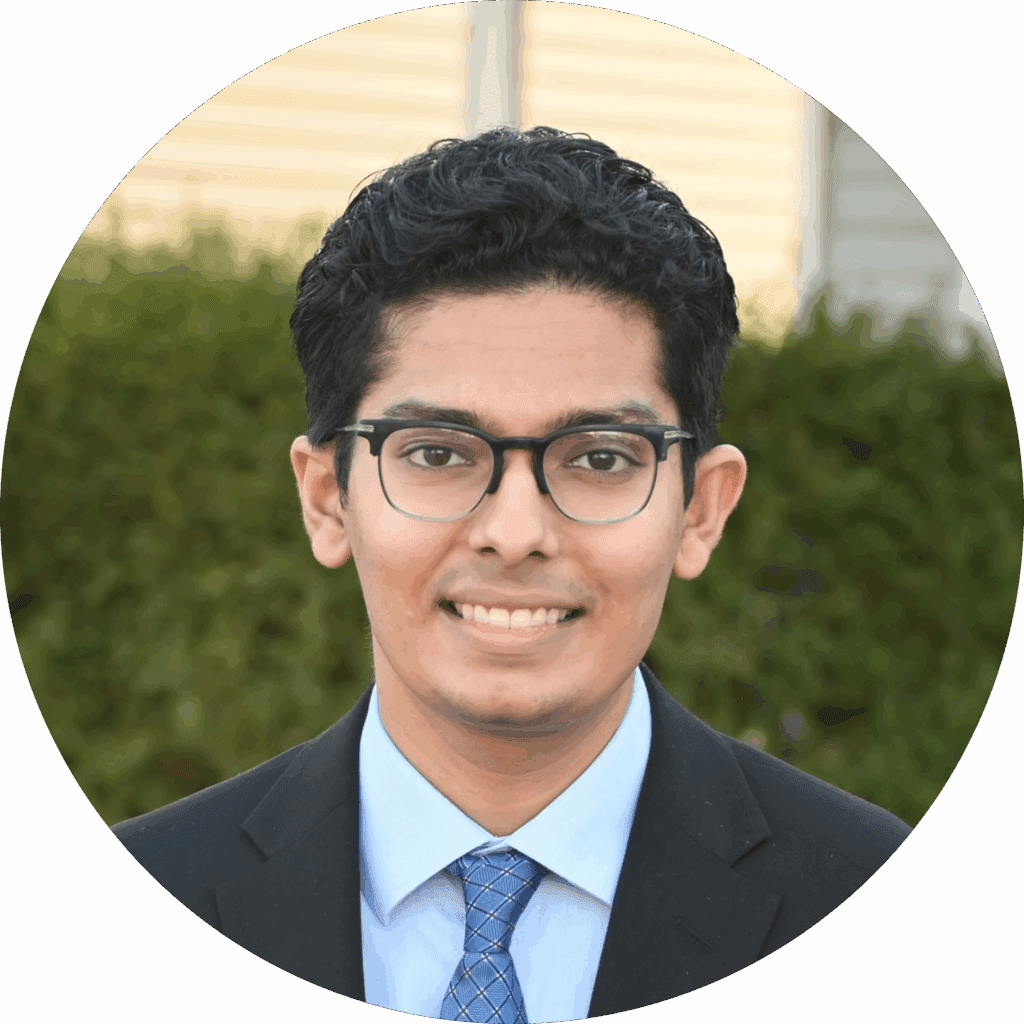
Sai is a senior at Washington University in St. Louis. A St. Louis native, he works in the Pediatric Emergency Department at St. Louis Children’s Hospital, supporting clinical research surrounding social determinants of health. As a Roy and Diana Vagelos Fellow, he also conducts cancer research in the Washington University School of Medicine Department of Radiation Oncology, studying ways to enhance the effectiveness of targeted therapies in lung cancer. As an Arnold Family Fellow, Sai works with the Gephardt Institute for Civic and Community Engagement and the Bullet Related Injury Clinic, a nonprofit free clinic, where he supports recovery after bullet related-injury through patient care, advocacy, and research. His research interests include healthcare affordability, health equity, and translating clinical evidence into real-world improvement in care.
Sampath Rapuri, 2026-2027 Fellow
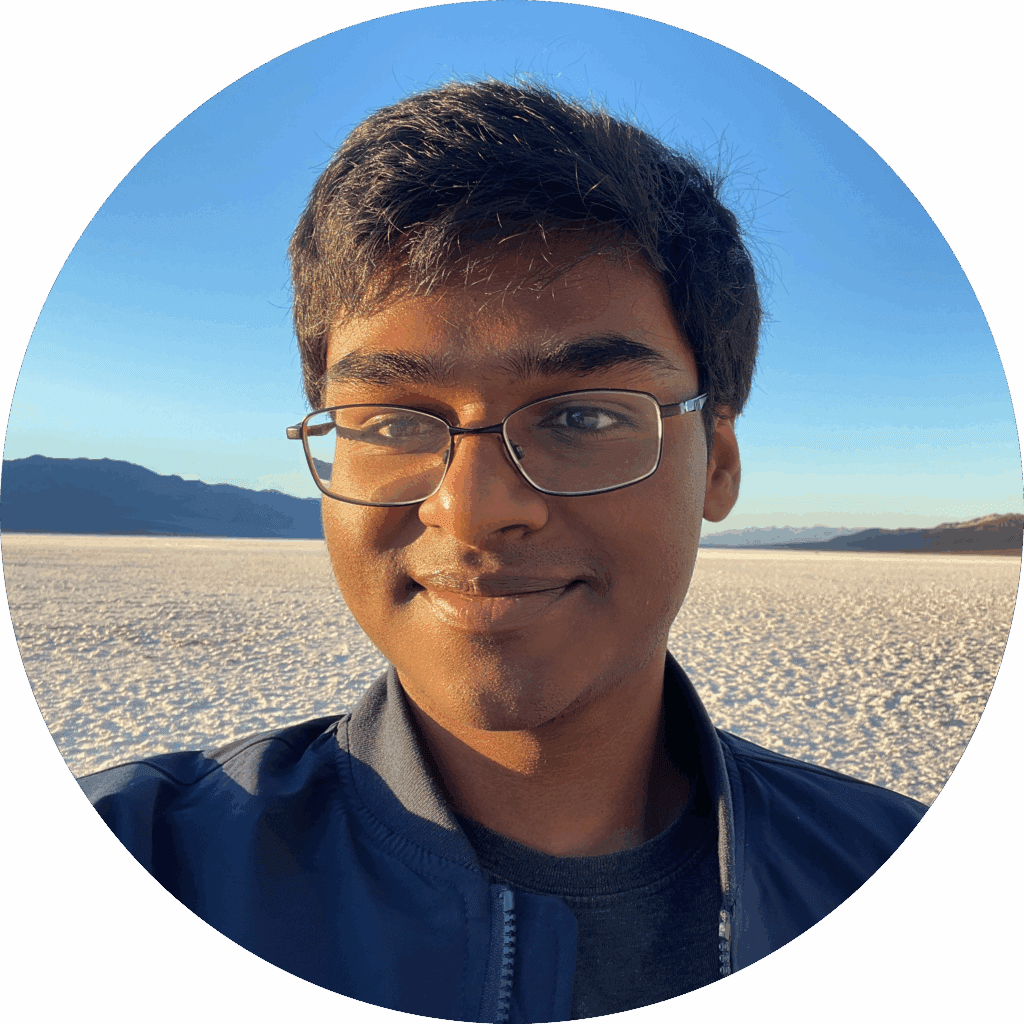
Sampath is a student and researcher with interests spanning medicine, health policy, and biomedical engineering. He is particularly interested in cardiovascular health, health systems innovation, and the ethical implications of emerging technologies in medicine.
Sarah Raquel Lucero, 2026-2027 Fellow
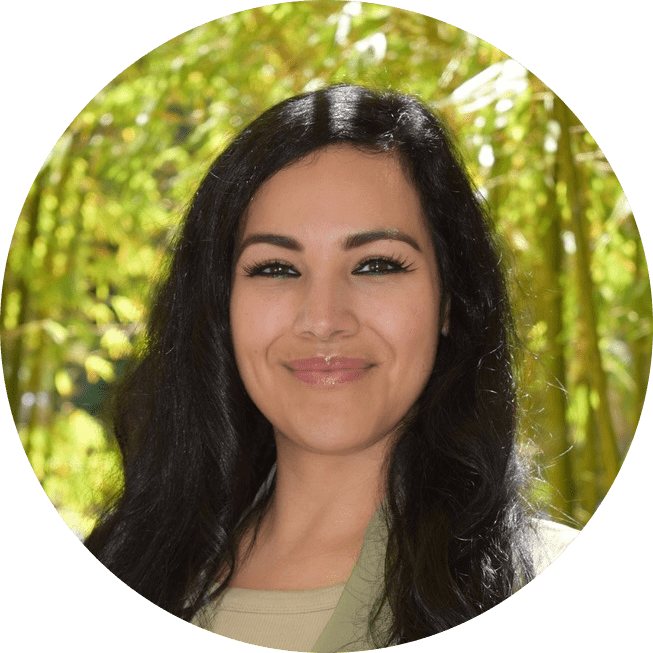
Sarah Lucero graduated from California State University, East Bay in Hayward, CA where she received a Bachelor of Science in Health Sciences with a Concentration in Public Health. Growing up in a culturally diverse family and community within the Bay Area fostered a deep appreciation for multicultural perspectives. This foundation, combined with professional experience in the health sector serving diverse communities, strengthened her sense of cultural awareness. Sarah’s lived experiences have shaped her commitment towards patient centered care, increased her understanding of the social determinants of health, and the ways in which different communities are disproportionately affected. Having witnessed negative health outcomes among economically disadvantaged areas, Sarah is motivated towards promoting health equity among marginalized and underrepresented populations.
Sarah’s previous research focuses on food and housing insecurity among college students in the United States; cancer-related mortality reduction among ethnic minority populations; reproductive health; mental health; addiction; homelessness; persistent poverty, and how insufficient basic needs affect health outcomes among children, veterans, and older adults across the lifespan. As part of the Center for Integrative Social Medicine and Population Health (CISMPH) fellowship program, Sarah aims to apply her background in clinical healthcare and expertise in public health towards developing new approaches in clinical practice. Sarah is elated to collaborate with CISMPH, and to gain invaluable research experience while working with scholars in the field of social medicine and population health.
Sarah’s academic goals include obtaining a Master of Public Health (MPH) in Health Policy and Management from the University of California, Berkeley. As a public health professional, Sarah’s objective is to advance evidence-based health policy initiatives through rigorous, data-driven research aimed at improving health outcomes for vulnerable populations. Outside of professional work, she enjoys spending time with her family, outdoor activities, traveling, and creating ceramic art.
Shaun Thomas, 2026-2027 Fellow
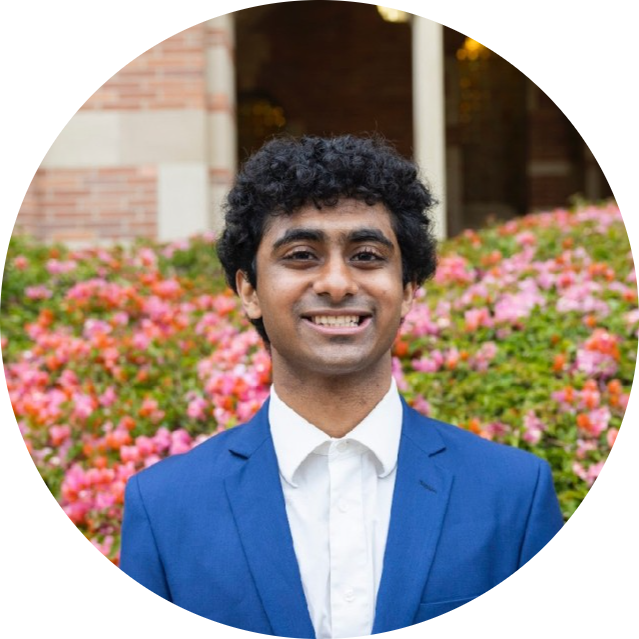
Shaun Thomas is a current UCLA undergraduate student majoring in Physiology and minoring in Professional Writing. He is super passionate about public health, social determinants of health, health literacy and upstream factors related to health insurance and drug costs. Outside of CISMPH, Shaun is involved in a liver transplant lab, serves as the science and health editor for his university newspaper and involved in clinical research at Cedars Sinai Medical Center. His hobbies include playing sports, hiking, and practicing guitar.
Sheila Mwanda, 2026-2027 Fellow

Sheila Mwanda is a public health professional with a foundation in health informatics and community health. Currently pursuing a Master of Public Health in Informatics at Indiana University Indianapolis, she combines rigorous statistical training with a passion for translating complex health data into actionable insights. Her technical expertise spans statistical programming, data visualization, and advanced analytics, including predictive modeling and machine learning applications.
Her data analytics experience encompasses both research and applied public health settings. Recent work includes leading geospatial analysis projects examining pedestrian safety and developing data visualizations that informed transportation policy decisions. Her research interests center on leveraging statistical and geospatial analytical methods to examine population health patterns and develop data-driven approaches to improving health outcomes.
With experience in both technical analysis and community education, she is committed to using data science to bridge the gap between complex health data and meaningful community impact, ultimately advancing health equity and improving population health outcomes.
Shriya Garg, 2026-2027 Fellow
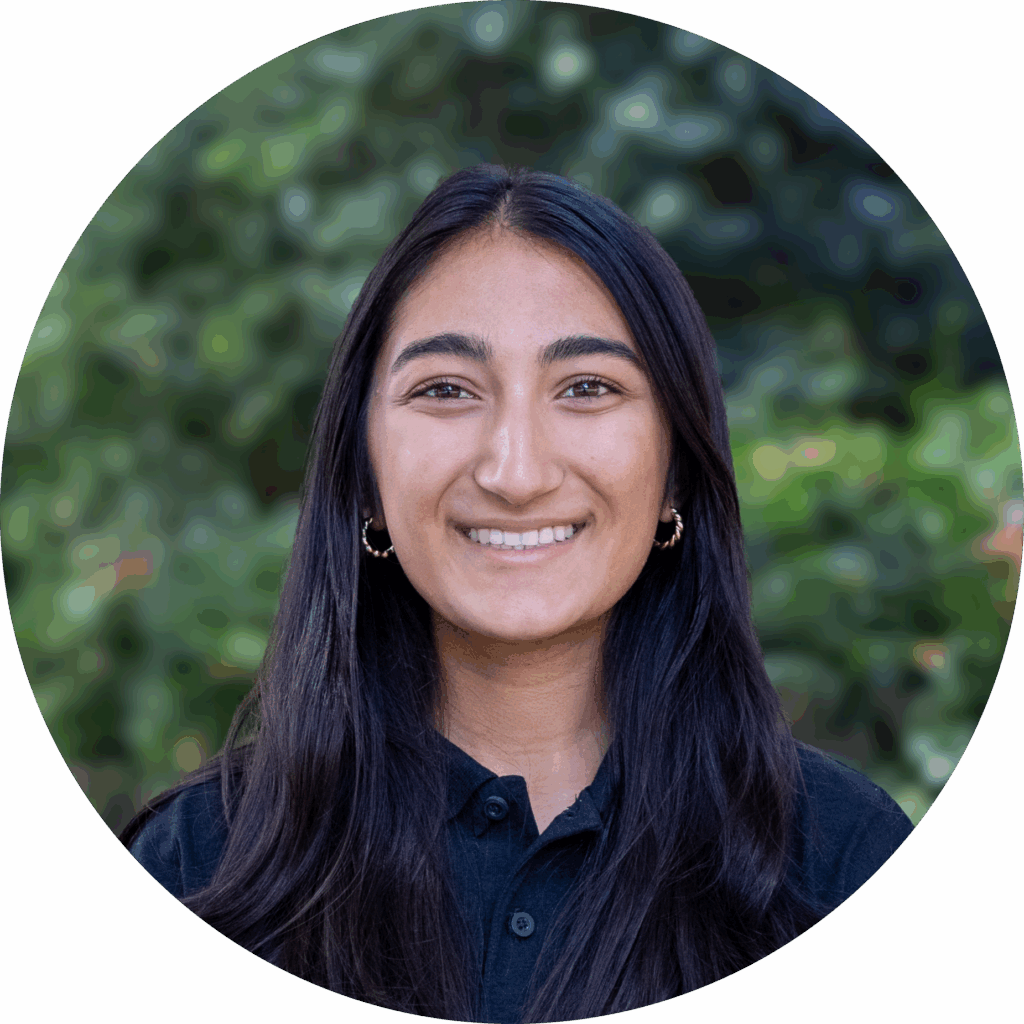
Shriya Garg, from Rome Georgia, is a third-year Foundation Fellow and Stamps Scholar at the University of Georgia. Having grown up in rural Georgia throughout her childhood, Shriya has firsthand seen the need for more equitable healthcare access and healthcare delivery. Majoring in Genetics and Economics, Shriya hopes to pursue a career in health delivery at the intersection of medicine, business, and technology.
Since high school, Shriya has been highly involved in efforts to close the “digital divide” that affects students and patients nationwide without devices or broadband access. Featured in a Forbes article for her efforts, Shriya has collaborated with T-Mobile and other stakeholders to provide mobile hotspot access within her community. Shriya has also been involved in efforts to bridge the “digital divide” within the healthcare system by piloting an educational program for patients to learn navigational skills for patient portal or telehealth platforms and implementing a “telehealth intern” role within local stakeholders through the Healthcare Policy Team through her university’s think tank. Shriya is passionate about addressing mental health on college campuses, serving as the Advocacy Director of the Coalition for Student Wellbeing, where she advocates for suicide prevention and student wellbeing. She has presented and participated at a White House Discussion on Mental Health Stigma and Suicide Prevention under the Biden-Harris Administration and has spoken to legislators regarding the Improving Mental Health Access for Students Act (H.R.3624/S.1924).
Beyond her advocacy efforts, Shriya writes for a medical magazine named Stethoscope Magazine, serves as a senator and committee chair through UGA’s Student Government Association, and is involved in undergraduate research. She has published her cancer disparities research in Cancer and Supportive Care in Cancer. She is an avid tennis player, and she loves traveling, listening to new music, and spending time with friends and family.
Stephanie Chan, 2026-2027 Fellow

Stephanie is a second-year undergraduate student at the University of Toronto studying Pathobiology, Neuroscience, and Education & Society. She is interested in exploring neurological disease and brain function, with a focus on stroke, dementia, and vascular contributions to cognitive impairment, as well as the intersection between neuroscience, public health, and education. She is particularly interested in leveraging education and health literacy as tools to improve health outcomes. Stephanie has experience in harm reduction-focused public health research, neuroimaging and behavioural research, and clinical neuroscience. She is currently involved in a harm reduction advocacy initiative at her university aimed at expanding access to naloxone kits across campus buildings. Through her research and advocacy work, she is motivated to contribute to interdisciplinary efforts that translate scientific knowledge into meaningful, equitable health interventions. In her free time, Stephanie enjoys playing ultimate frisbee, spending time with friends and family, and caring for her plants.
Tresha Sivanesanathan, 2026-2027 Fellow
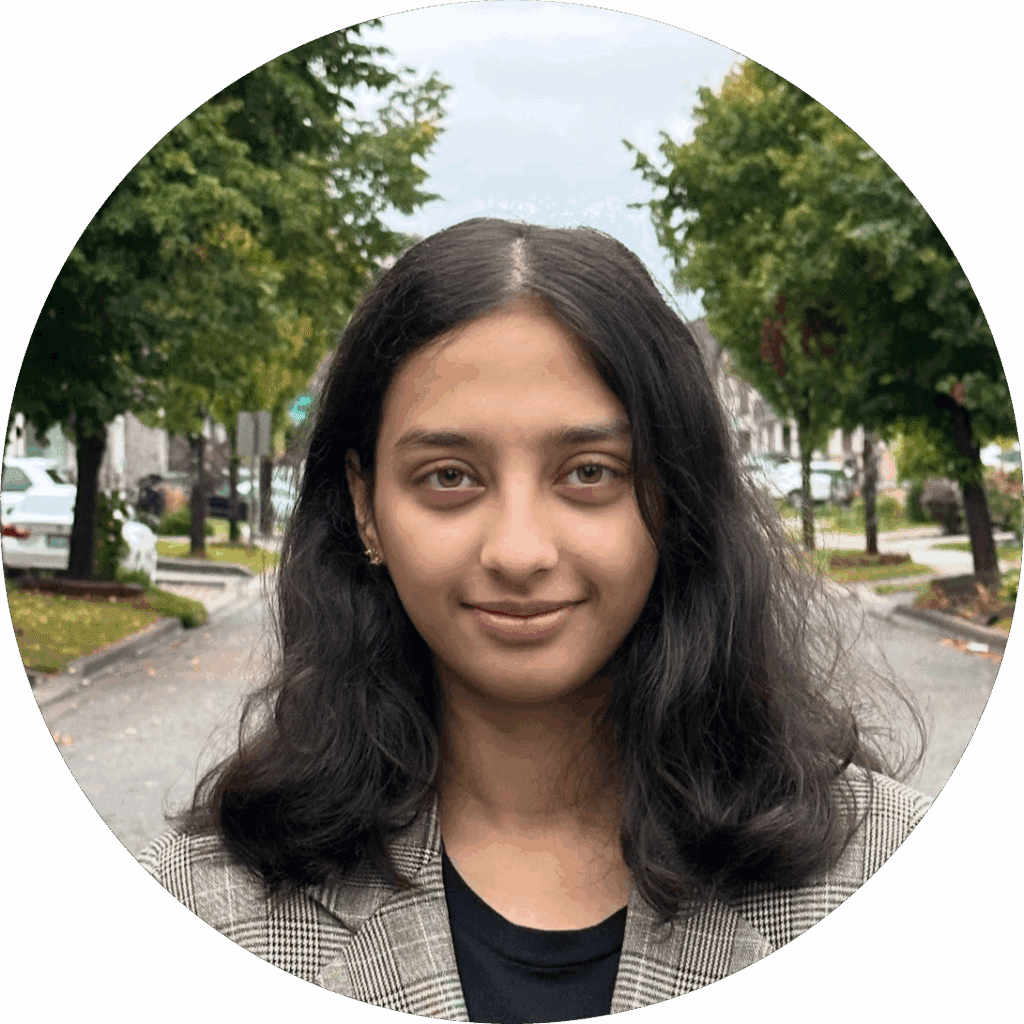
T. Sivanesanathan is a life sciences graduate from McMaster University, where they earned an Honours Bachelor of Science with a major in Life Science and double minors in Infectious Disease and Interdisciplinary Community Engagement. Their academic training is grounded in infectious diseases, immunology, global health, and science communication, with a strong focus on translating evidence into real-world impact. In parallel with research, T. is deeply committed to education, wellness, and equity. They have led campus-wide health promotion initiatives, facilitated patient-facing programs in cardiology and weight management, and co-founded community organizations aimed at expanding access to education and creative expression. Through tutoring, peer support, and advocacy work, T. strives to bridge science, policy, and community needs.
Suhaas Reddy Bonkur, 2026-2027 Fellow
Hello everyone! My name is Suhaas, and I am a graduating Biomedical Engineering student at the Georgia Institute of Technology. I am passionate about improving access to healthcare for underserved and rural communities, particularly by making medical treatments and devices more affordable and accessible. Through my work with CISMPH, I hope to contribute to population-based research that helps close gaps in treatment access and health outcomes. In the future, I aspire to become a physician who not only cares for patients in the clinic but also works to improve health beyond it through research, advocacy, and community-focused solutions.
Vasharna Thangavel, 2026-2027 Fellow

Vasharna is an undergraduate student at Western University, and an accessibility advocate passionate about fostering inclusion for youth with disabilities. She is the Co-President of Prospective Medical Professionals (PuMP), a national charity connecting students to free STEM opportunities, and the author of Through Echo’s Eyes, a children’s braille picture book encouraging early conversations about inclusivity. She has previously volunteered at Holland Bloorview Kids Rehabilitation Hospital and now conducts research on Duchenne Muscular Dystrophy at the Lawson Health Research Institute, affiliated with St Joseph’s Hospital in London, Ontario. Vasharna strives to amplify underrepresented voices and foster more accessible communities.
William Hutson, 2026-2027 Fellow
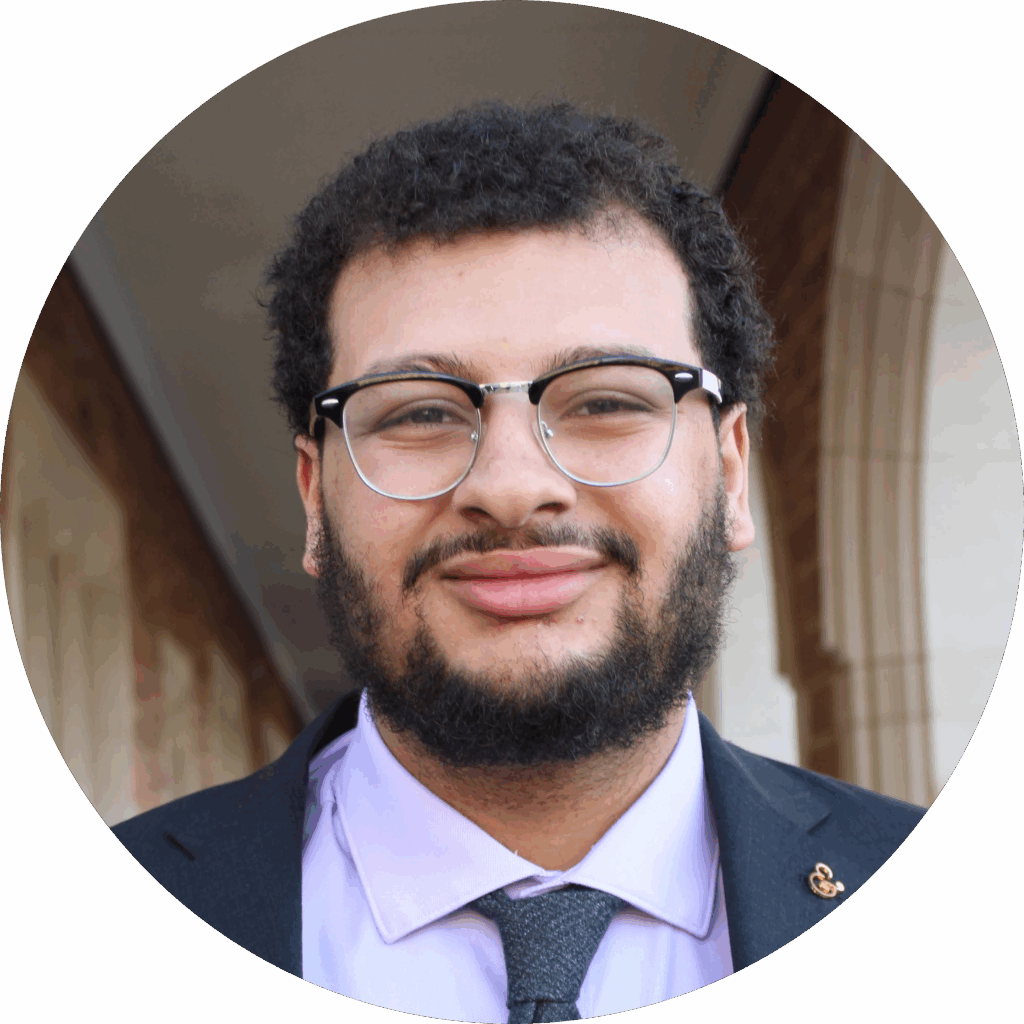
William Hutson (he/him) is a M1 in the University of Pittsburgh & Carnegie Mellon University Medical Scientist Training Program pursuing his MD and PhD in Epidemiology. Before medical school, William attended Washington University in St. Louis for his BA in Biology and MPH in Epidemiology in Biostatistics.
His research interests include psychiatric and social epidemiology, and implementation science. His past research projects have focused on identifying social risk factors for substance use and substance use related outcomes, and improving racial equity in substance use treatment and prevention.
William has broad clinical interests including psychiatry, internal medicine subspecialties, and pediatrics. In his work, he hopes to bridge epidemiological and clinical understandings of health, and identify policy and implementation solutions to health inequities affecting minority communities and vulnerable populations.
Outside of academics, William enjoys cooking, listening to music, learning hip-hop history, watching movies, and learning film photography.
Xiao-Lian Warren, 2026-2027 Fellow
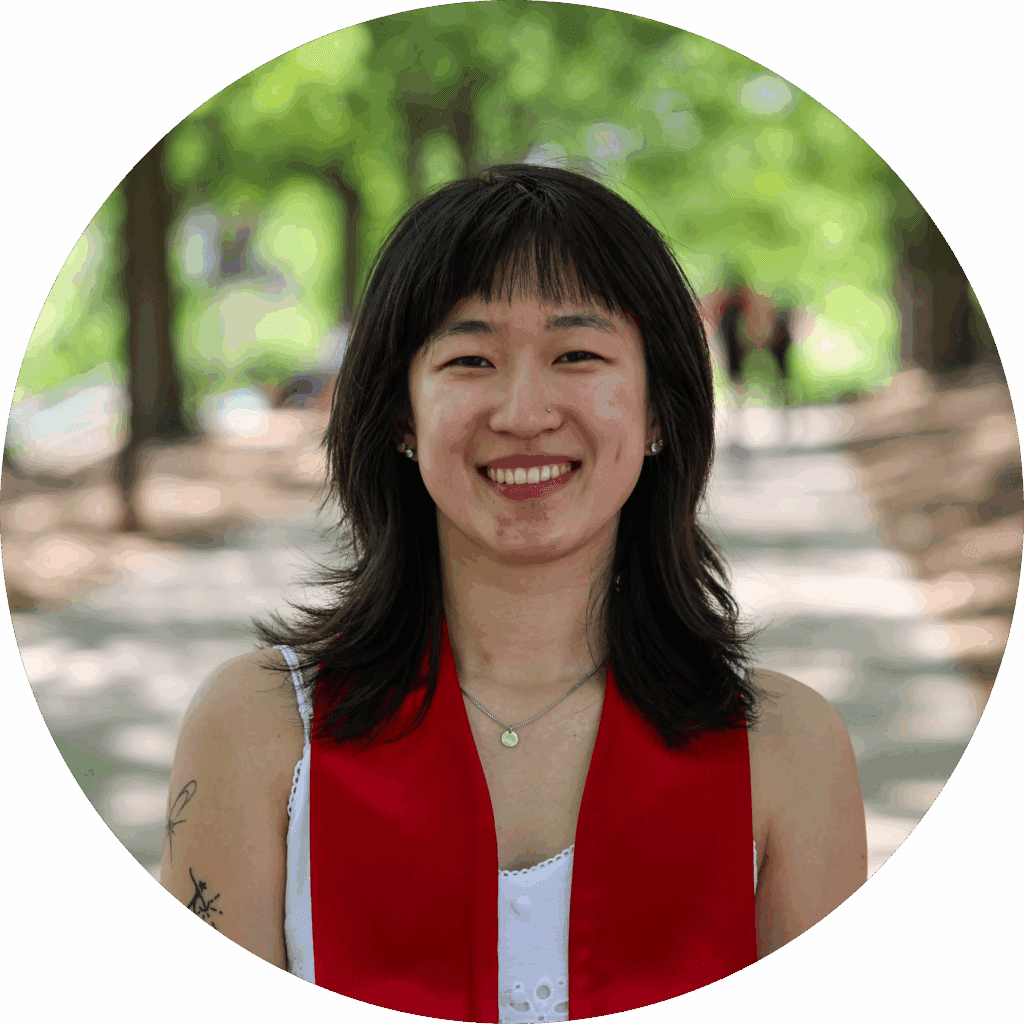
My name is Xiao-Lian Warren, and I recently graduated from the University of Maryland with a degree in Public Health and a minor in Asian American Studies. I plan on getting a dual degree in Physician Assistant studies and a Master’s in Public Health. I am deeply committed to addressing health disparities within our healthcare system. Through continuous learning and dedication, I aim to advocate for equitable healthcare practices and make a tangible difference in the lives of those the system serves. My research interests include mental health and substance abuse, one health, global health, and Asian American health.