VPGH helps support seekers tap into a statewide network of care providers

Once a support seeker connects with the Virginia Partnership for Gaming and Health—whether by calling the Virginia Problem Gambling Helpline or through our referral form—they’ll have access to our statewide network of 107 clinicians and five recovery organizations.
VPGH is a state-funded effort to increase the number of providers who are trained to work with gambling disorders and problem gambling. When a provider joins our network, they receive a two-part, gambling-specific training and have ongoing opportunities to continue their education. Monthly consultation meetings also offer an opportunity to connect with other providers and talk about best practices.
VPGH also covers the cost of the initial assessment with a network provider, regardless of the support seeker’s insurance status. If they continue to seek treatment, VPGH can help offset or fully cover the costs, depending on insurance coverage.
“Gambling has increased dramatically in recent years. Today, as much as 4% of the U.S. population has a mild to severe gambling problem,” said Jennifer Davis-Walton, Director of Gambling Services at VPGH. “This rapid growth has left many Virginians struggling and seeking support.
“Through our provider network, we’re expanding the number of trained clinicians to ensure Virginians have access to the care they need at every step of their recovery.”
Here, two of our providers share what brought them to the VPGH network and what they love about their work.
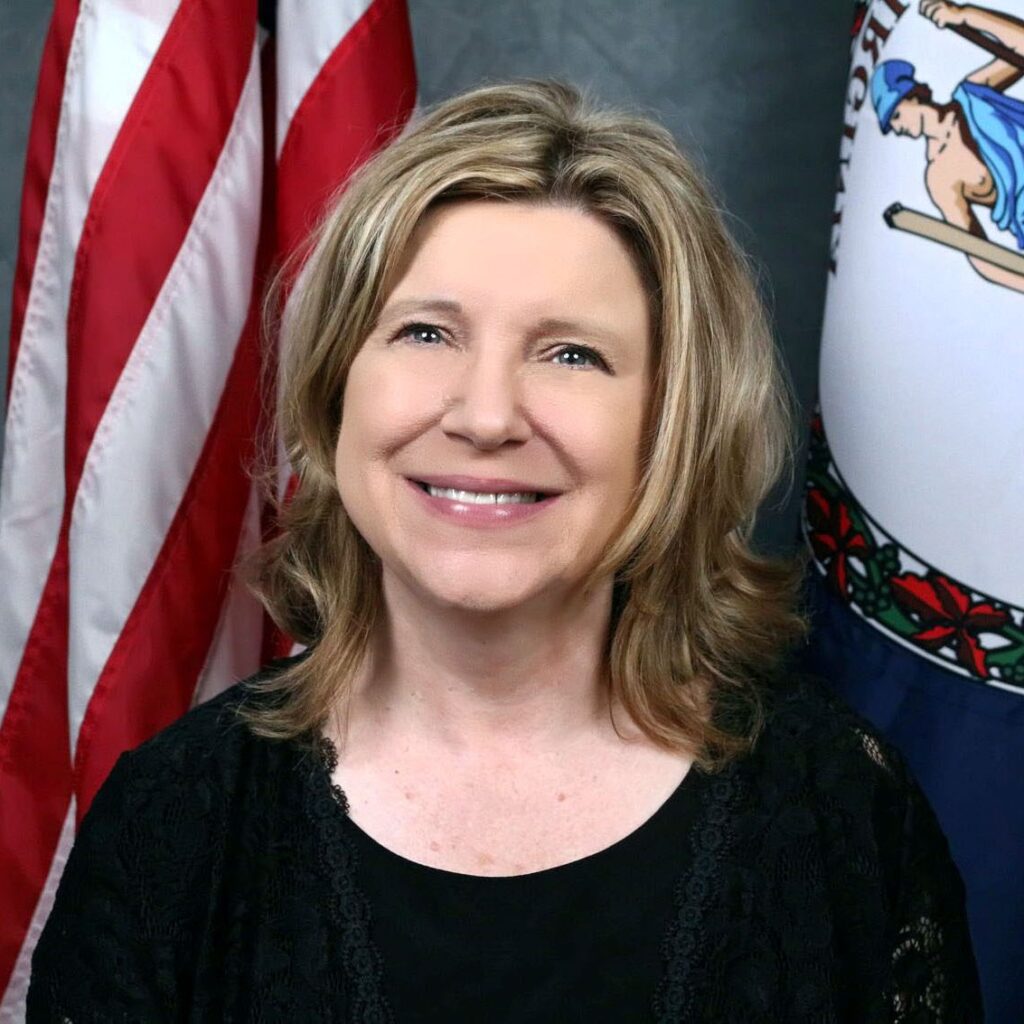
Tammy Muir, LPC
For nearly 30 years, Tammy Muir worked as a vocational rehabilitation counselor for the state of Virginia, helping people with disabilities go to work. She became a certified rehabilitation counselor in 2001 and a licensed professional counselor in 2004. Muir joined the VPGH network when it launched four years ago and serves clients across the state.
In her words
I was born into a generation of gamblers. Growing up, it was the only recreational activity I saw my family consistently participate in. The VPGH training helped me better understand the depth of suffering and how to use different approaches based on an individual’s needs and their pathway to developing this problem.
It helped me understand the importance of meeting people where they are, of educating them and giving them hope, of helping them understand that it is a disorder and they’re not alone. I think it’s comforting to help them understand that it’s not a moral failure.
I have to say, it’s the most rewarding work I’ve ever done. I didn’t know that, especially at this point in my career, I’d find such joy and discover something so fulfilling and exciting and motivating. I just want to learn more and help more people.
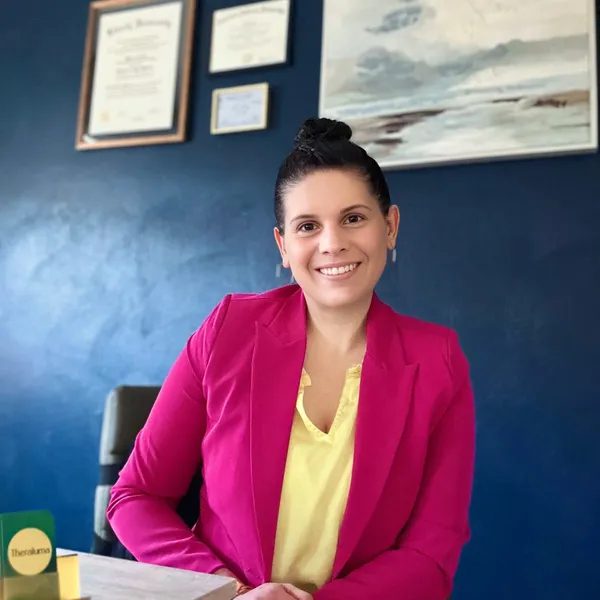
Brittany Kark, MA, LPC
Brittany Kark came to counseling indirectly through her passion for law. A certified paralegal, Kark worked in law firms and with drug courts before transitioning to crisis stabilization, where she redefined what it meant to help people. Kark became a licensed professional counselor in late 2024 and has since opened her own practice, Theraluma, in Christiansburg. Her focus areas include PTSD and trauma, addiction, depression and anxiety, and impulse control. She has been with the VPGH network for four years and leads a twice monthly group with Lisa Cochran, a certified peer recovery specialist with VPGH.
In her words
On a personal level, I didn’t shy away from working with VPGH because of my own recovery journey. I continue to go through that recovery for substance use and I struggled with payday loans. I come from a place of understanding, and I empathize with a lot of my clients.
I’ve learned a lot, not just from the VPGH trainings, but from my peers and other providers in the monthly consultations. It’s rare in other programs and nonprofits that I’ve worked with, and it’s invaluable.
I also really appreciate the community when it comes to care coordination. If I have a client that’s also working with a peer support specialist, it’s great to be able to quickly connect about resources and schedule appointments. Gambling has such a high suicide risk, but we have a lot of people who recognize the urgency.
Photo by youssef naddam on Unsplash
Categories Uncategorized