March is Problem Gambling Awareness Month
The Virginia Partnership for Gaming and Health, in partnership with the National Council on Problem Gambling (NCPG), recognizes March as Problem Gambling Awareness Month (PGAM). This year’s theme, “Caring Communities, Stronger Futures,” emphasizes the importance of a community-driven approach to problem gambling awareness and support. The annual campaign aims to increase public awareness of problem […]

Chances and Choices
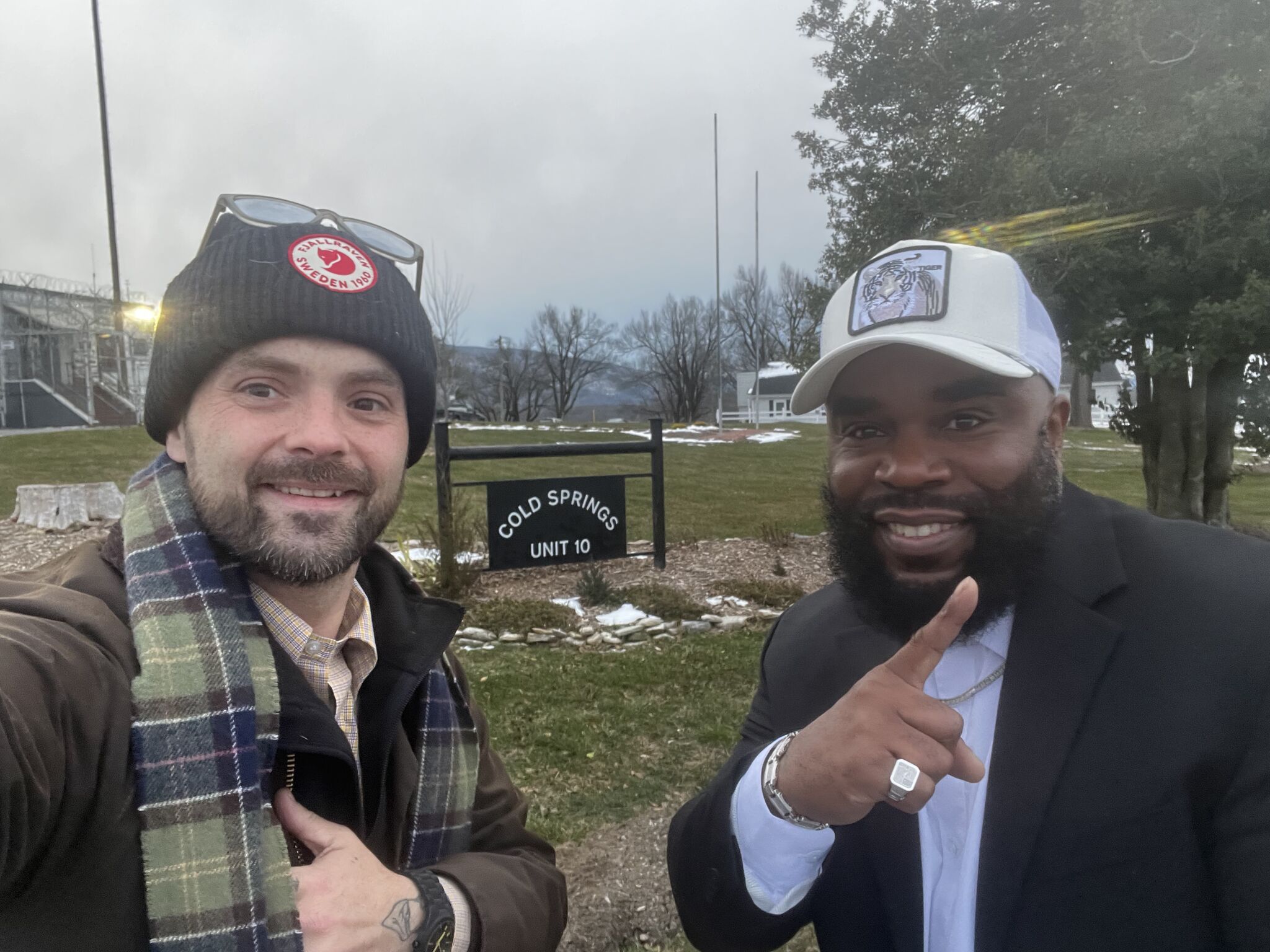
In December, VPGH certified peer recovery specialists Azeem Majeed and Matthew Britt facilitated “Chances and Choices: Understanding Gambling, Recovery, and Reentry,” a workshop for probationers at the Cold Springs Community Corrections Alternative Program (CCAP) within the Virginia Department of Corrections. Majeed and Britt talked about how risk-taking behaviors can be a coping mechanism for incarcerated individuals, […]
VCU experts warn of rising online and sports gambling risks for today’s youth
What once required a trip to a casino or racetrack now lives on a smartphone – a shift that is reshaping how young people encounter gambling and raising new concerns for educators across Virginia. The VCU Virginia Partnership for Gaming and Health (VPGH) presented that changing landscape to health and physical education teachers from across Virginia. The […]

Virginia Partnership for Gaming and Health Joins 2025 Gift Responsibly Campaign to Raise Awareness of Youth Gambling Risks
FOR IMMEDIATE RELEASEDecember 11, 2025 CONTACT:Emma [email protected] Richmond, Virginia – The Virginia Partnership for Gaming and Health today announced its commitment as a participant of the 2025 Gift Responsibly Campaign, joining lotteries and community organizations across North America and around the world to raise awareness about the risks of underage lottery use. The campaign is […]

Community outreach during Recovery Month
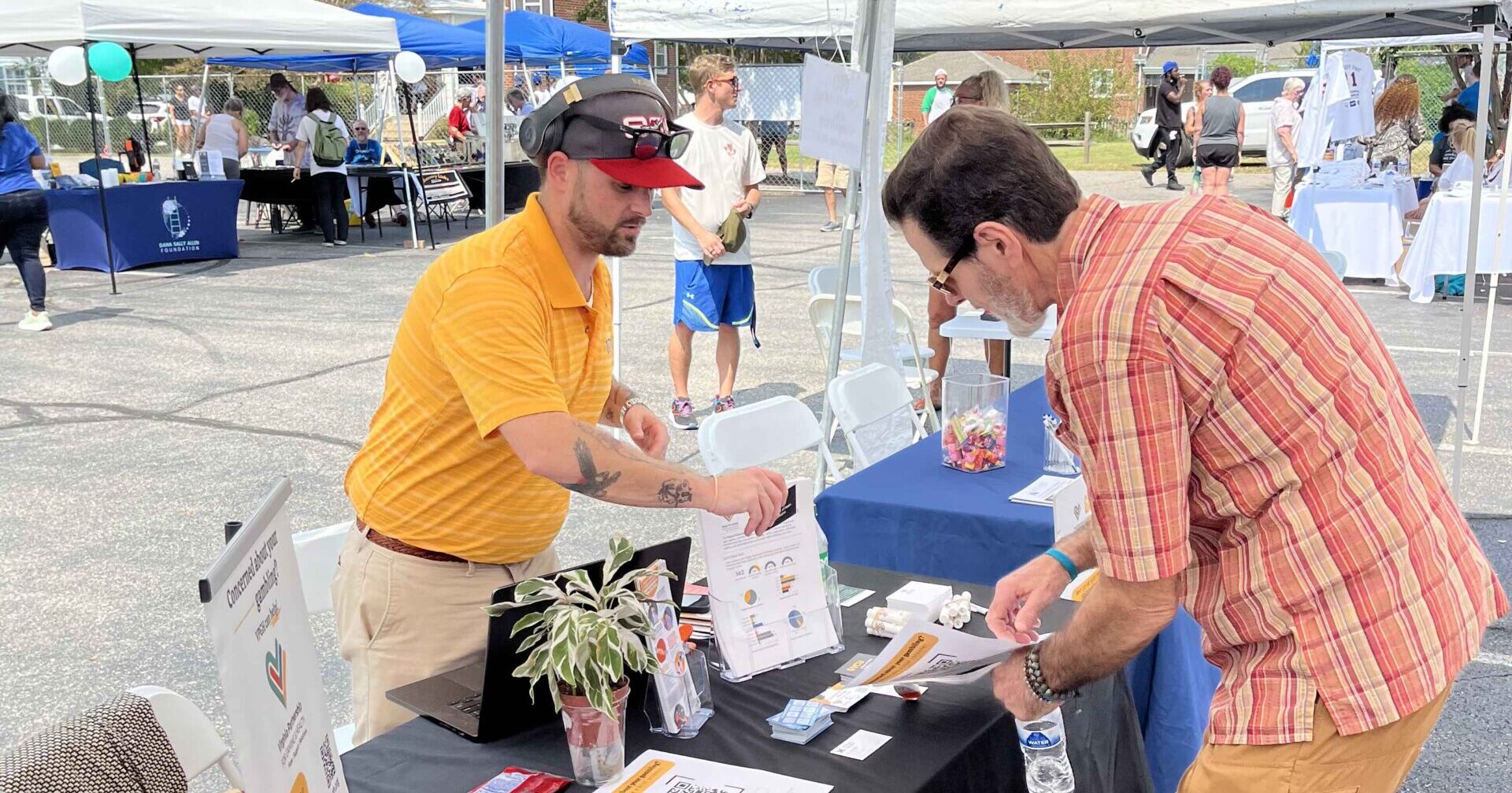
September was National Recovery Month, and VPGH’s certified peer recovery specialists marked the annual observance by attending conferences and events across Virginia. These events offered an opportunity to raise awareness about problem gambling and connect directly with individuals and families to share VPGH resources. The summer was equally active. Staff explored potential collaborations with community […]
‘I’m supposed to be here’
As a teenager, Azeem Majeed received two life sentences without parole. He entered prison with no hope of ever coming out. Majeed was impacted by alcohol addiction—a major factor that led to the crimes he was convicted of as a minor—and struggled with gambling. But his incarceration became his first step on a path to […]

VPGH helps support seekers tap into a statewide network of care providers
Once a support seeker connects with the Virginia Partnership for Gaming and Health—whether by calling the Virginia Problem Gambling Helpline or through our referral form—they’ll have access to our statewide network of 107 clinicians and five recovery organizations. VPGH is a state-funded effort to increase the number of providers who are trained to work with […]

Peer recovery specialists present at 2025 Research to Recovery conference
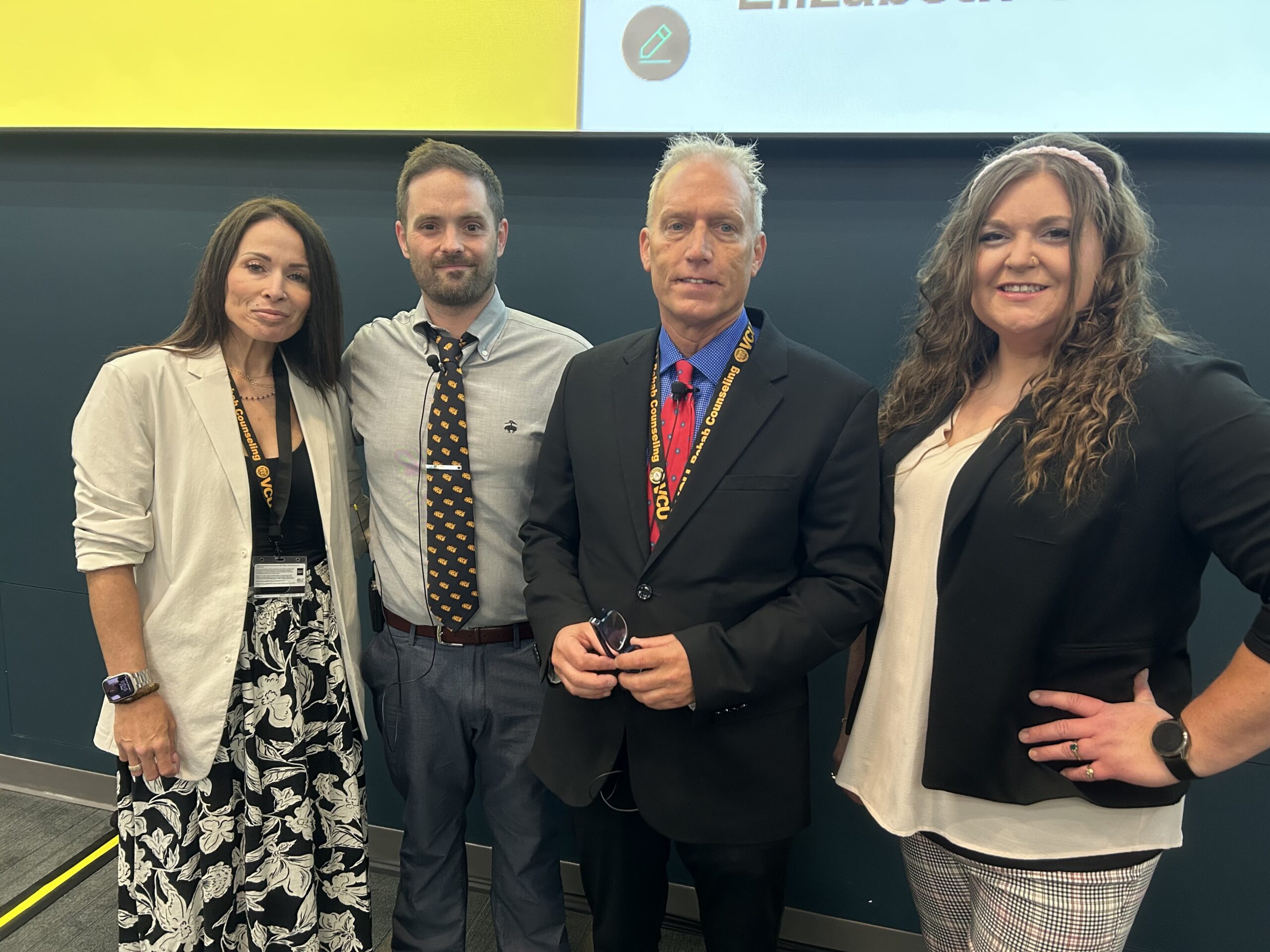
In late May, Lisa Cochran, Matthew Britt, Sean Fournia and Elizabeth Childress—all peer recovery specialists with the Virginia Partnership for Gambling and Health—spoke about the role of peer support at the 2025 Research to Recovery conference at VCU. Hosted by VCU Rams in Recovery, the Virginia Department of Behavioral Health and Developmental Services, and the […]
VPGH on Virginia This Morning
Carolyn Hawley, executive director of VPGH and president of the Virginia Council on Problem Gambling, and Sean Fournia, a certified peer recovery specialists with VPGH, appeared on CBS6’s Virginia This Morning to share their insights on problem gambling and how VPGH is helping support seekers.
VPGH in the community
VPGH has a team of certified peer recovery specialists located across Virginia who work to build relationships with organizations and agencies in their communities and share resources with support seekers. In the early months of 2025, they could be found at conferences, on local news channels, and screening individuals for problem gambling risk factors. Here […]