Community, connection at the center of National Public Health Week 2026
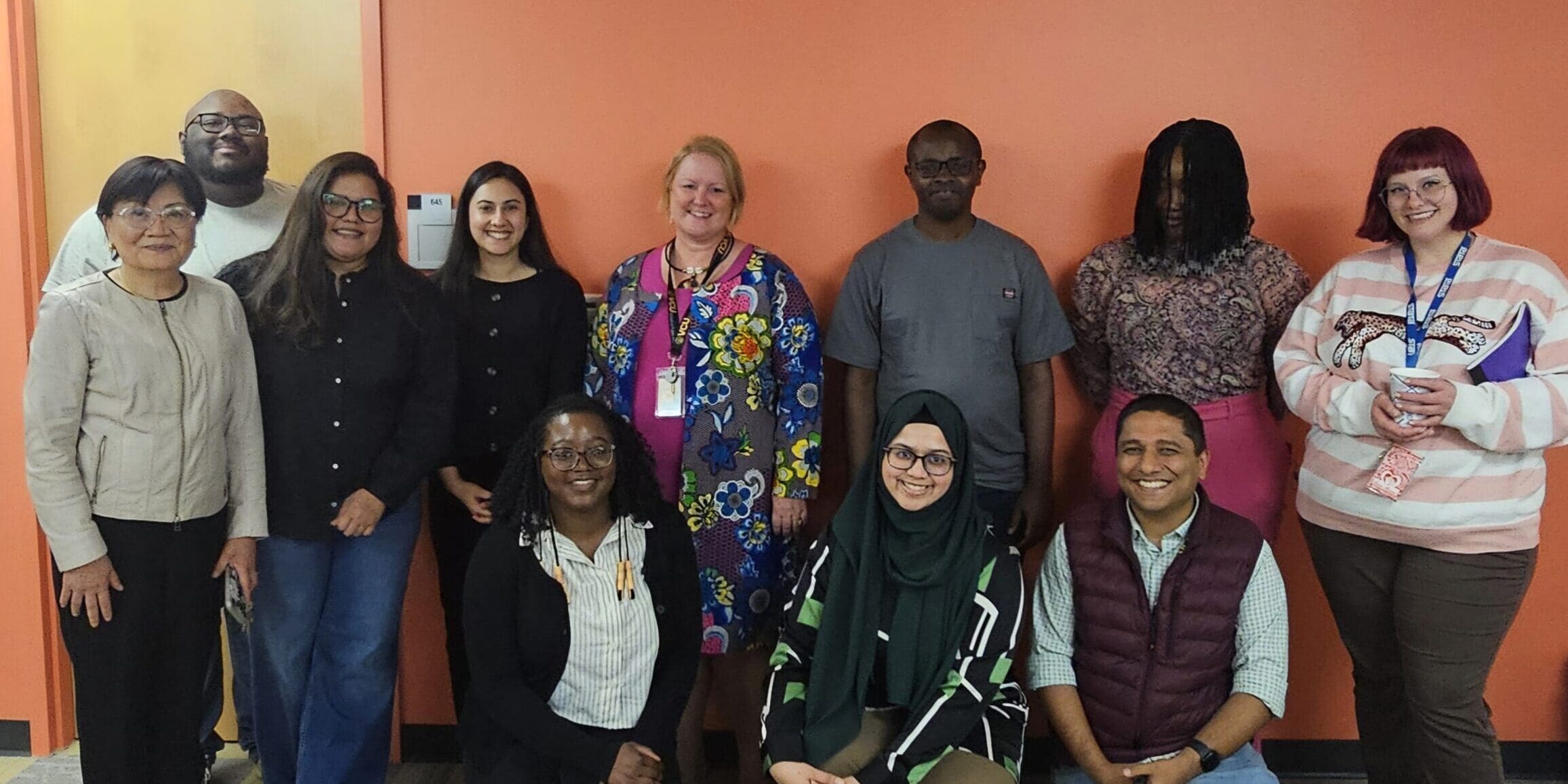
Community, mentorship, service and global health were the focus of NPHW 2026 at VCU School of Public Health, organized by the Public Health Student Association (PHSA).
Observed each April, National Public Health Week recognizes the field’s role in improving health, preventing disease, and strengthening communities. At VCU, the PHSA organized daily events to highlight the various specialties and impact of public health and our community.
Ground-breaking research
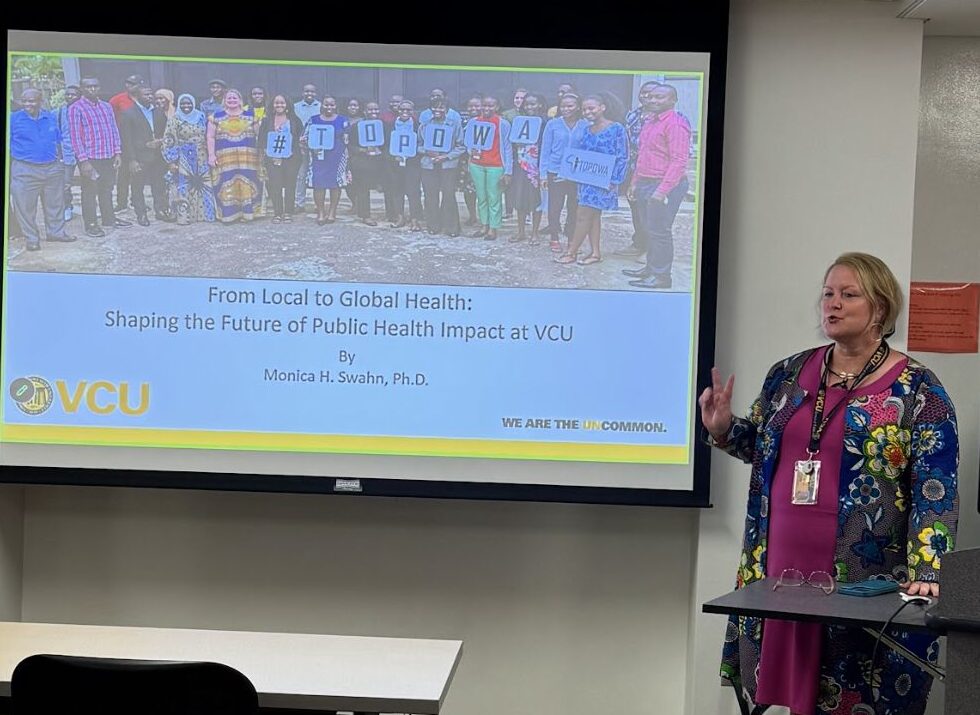
To begin the week, Monica Swahn, Ph.D., M.P.H., professor and dean of the VCU School of Public Health presented her work in a kickoff session focused on “Global Health and AI.” As the opening event of the week, the session established a clear framing: innovation in public health is not defined by novelty alone but by whether it advances meaningful and equitable health improvement.
“[Dean Swahn] brought a powerful perspective to Global Health, reminding us that innovation means nothing without equity and intention,” said Arooj Abidi, M.B.B.S., M.P.H., candidate and president of the PHSA.
Matthew S. Krauchunas, Ph.D., assistant professor in the VCU College of Health Professions, extended that conversation by examining artificial intelligence in health care, including its potential applications as well as concerns related to privacy, responsibility, and ethical implementation. Together, the presentations situated innovation within a broader public health framework that values both technological progress and institutional accountability.
Learning from the experts
Tuesday was focused on mentorship and professional development through a PHSA-hosted speed networking event that brought together students and faculty around shared research interests.
The event created direct opportunities for students to engage with faculty mentors, exchange ideas, and identify areas of scholarly alignment. Beyond networking in a narrow sense, the session emphasized how professional trajectories in public health are often shaped by sustained relationships, intellectual community, and access to mentorship.
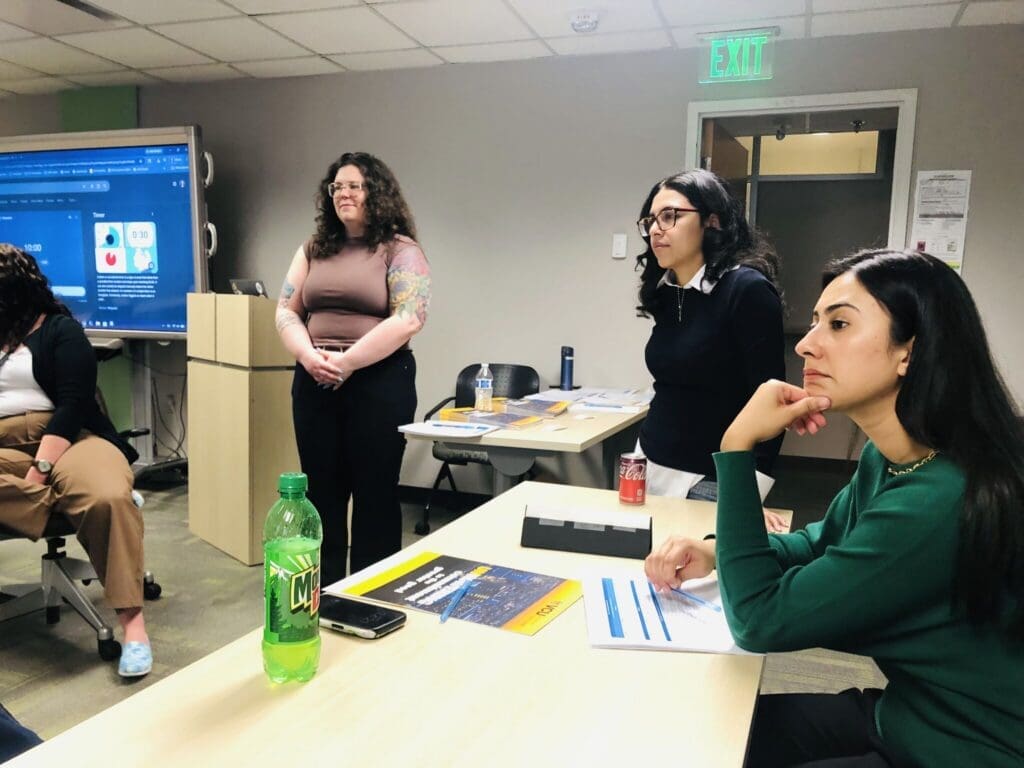
“Fast-paced, candid, and genuinely impactful, this is what public health leadership development looks like in real time,” Abidi said.
By structuring the event around conversation rather than formal presentation, PHSA highlighted a core feature of public health training: leadership is developed not only in classrooms but also through dialogue, connection, and guided opportunity.
Public health spirit & professional legacy
On Wednesday, the PHSA marked the day by showing their public health spirit along with faculty and students.
PHSA hosted Karl E. Peace, Ph.D., an accomplished biostatistics alumnus, who delivered a talk titled “From Baker County Dirt to Public Health Fame.” In the talk, Peace reflected on his early life in poverty and on the arc of a career that has influenced public health through research, education, and philanthropy.
“His story is a powerful reminder that where you start does not define where you can go and how one career can shape science, policy, and lives,” Swahn said.
The program linked personal narrative with professional legacy, underscoring that public health careers are built not only through technical expertise but also through perseverance, public commitment, and long-term contribution to the field.
Community impact in action
Thursday was another incredible day as events turned outward to community-based public health practice, where students were engaged directly with organizations across Virginia, gaining real-world insight into maternal health, cancer support, community health work, and perinatal collaboration. The conversations were practical and grounded in the realities of doing public health work on the ground.
PHSA invited representatives from the Virginia Community Health Worker Association, CancerLINC, CARITAS, Doula Association of Virginia, and the Virginia Neonatal Perinatal Collaborative to highlight how partnerships and community-driven strategies continue to shape meaningful health outcomes.
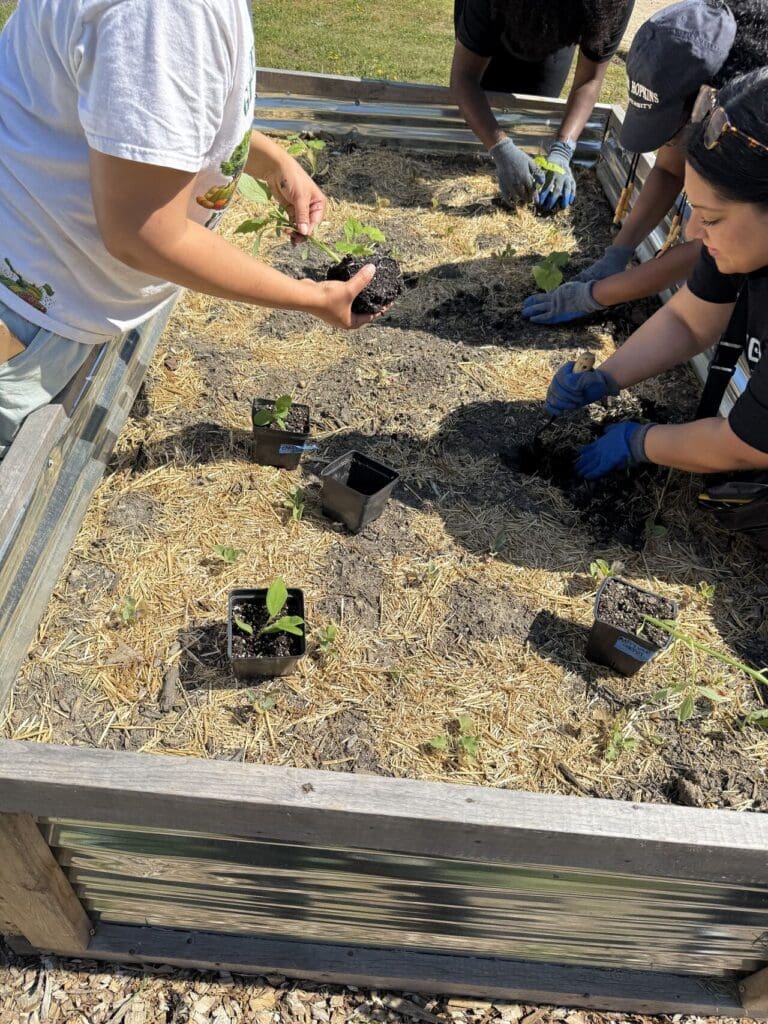
As the final event of the week, PHSA wrapped with the community service event at the Stockton Community Garden, translating discussion into action as students planted seedlings in support of healthier, more sustainable urban green space in Richmond.
The event also reinforced a broader principle that ran throughout the week: public health is not confined to policy or program design. It is enacted through everyday practices that strengthen the conditions in which communities live and thrive.
Student spotlight: Jocelyn Espinoza
Jocelyn Espinoza, M.P.H. student and service chair of PHSA, is one of ASPPH’s This is Public Health! Ambassadors. As part of her role, she took over the Instagram page during NPHW to highlight her community work, VCU Public Health and the power of mentorship. Learn more about Espinoza and her community-engaged work on our blog.
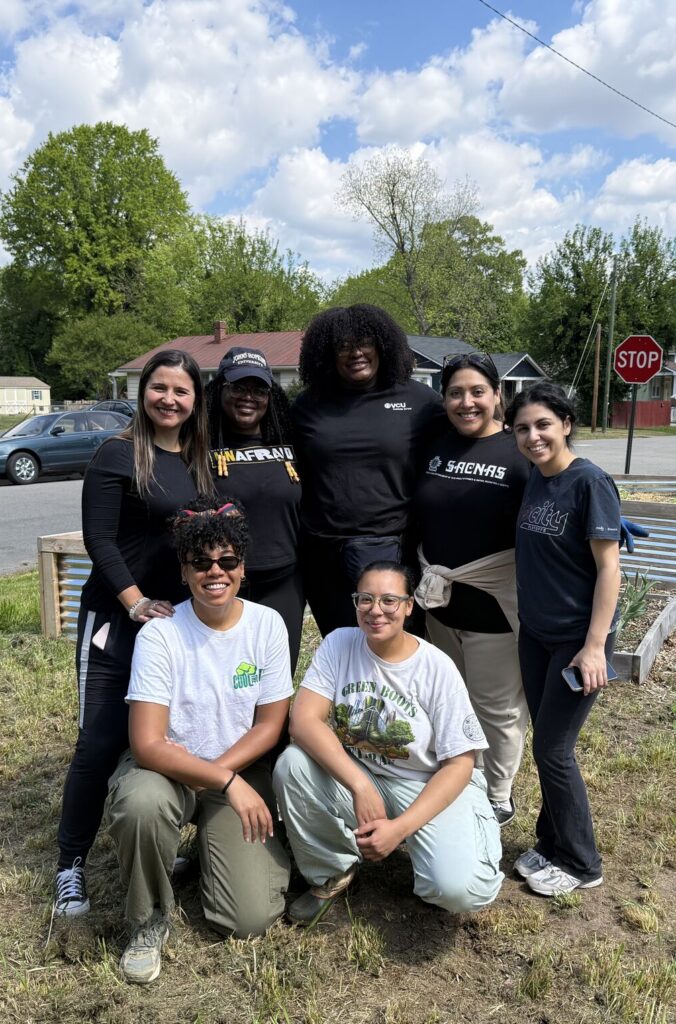
“My goal with the takeover was to show what public health looks like in real life – community partnerships, mentorship, and the small everyday moments where students grow into practitioners,” said Espinoza. “Being able to highlight the work happening in the VCU School of Public Health, and the support systems that shaped my journey, felt really meaningful!”
National Public Health Week 2026 at VCU School of Public Health demonstrated the breadth of public health as both a field of study and a mode of practice, and all the events positioned students not as observers of public health but as emerging participants in its work.
Thank you to all who joined us to celebrate public health this week and all month long! We continue the focus on public health research with our Student Showcase on Wednesday, April 29 and invite everyone in our community to join. Get the details here.
Arooj Abidi and Sonia Riaz contributed to this article.
Categories News, Student success