Chats with the Chairs: Samar R. El Khoudary, Department of Epidemiology
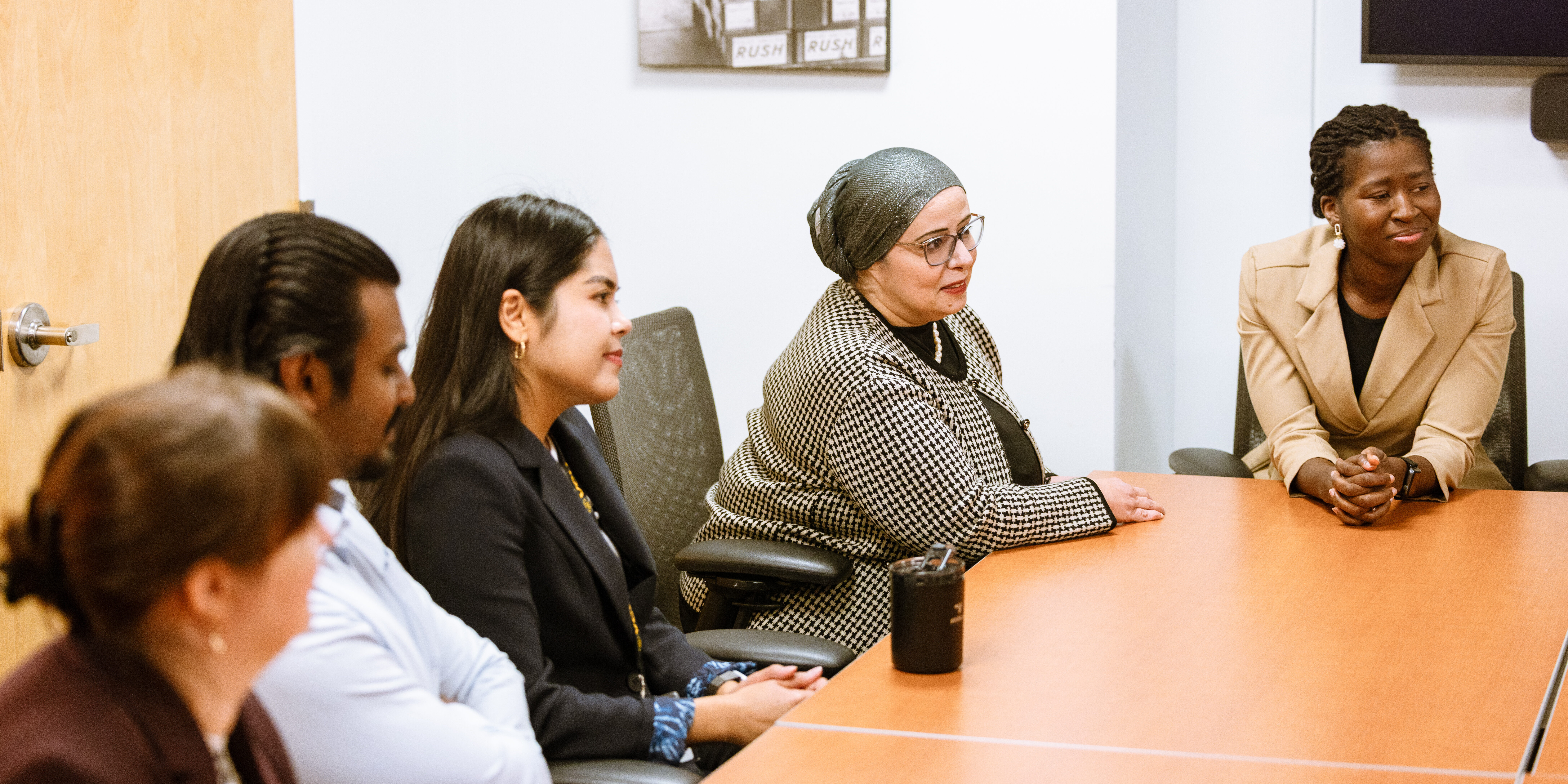
The School of Public Health department chairs share their perspectives about the mission, focus and future of each department.
VCU’s School of Public Health brings together the departments of Biostatistics, Epidemiology, Health Policy and Social and Behavioral Sciences, each with its own mission, but with a unified focus on public health. Now in its third year, and with some new faces, we sat down with each of the chairs for a closer look at what’s going on in each department.
The series continues with Samar El Khoudary, Ph.D., M.P.H., F.A.H.A., professor and chair of the Department of Epidemiology. To read our conversations with the other chairs, click here.
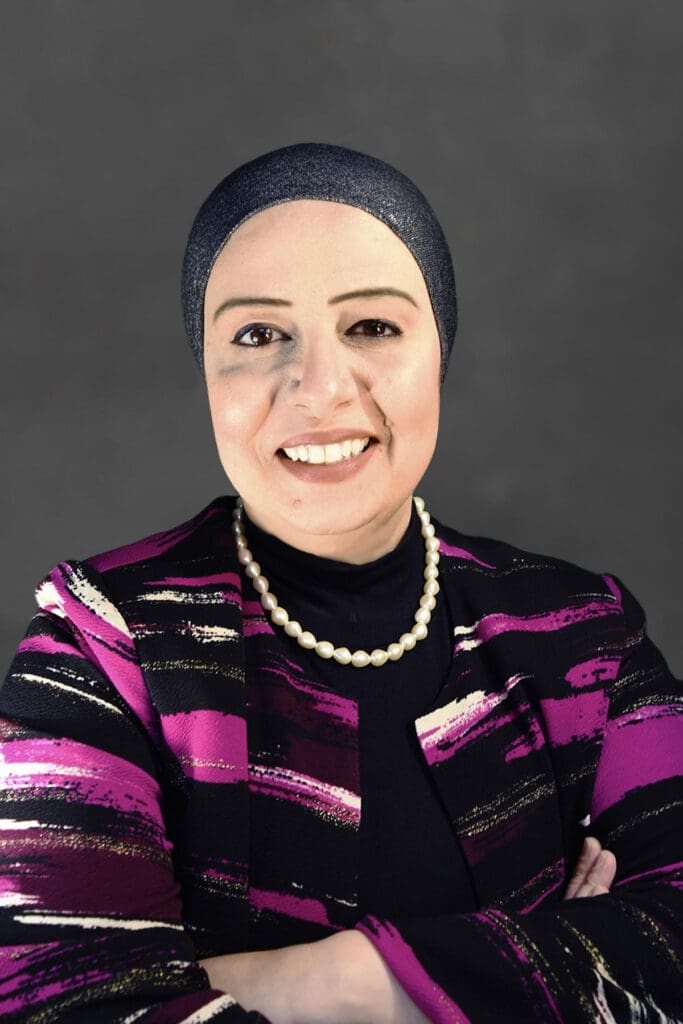
How does the Department of Epidemiology fit into VCU’s School of Public Health?
Epidemiology is really the backbone of any school of public health. It is foundational to achieve the mission of the School to improve health, well-being and longevity for all populations through education, discovery, dissemination and co-learning with the communities we serve.
Epidemiology plays a critical role in research as well as training public health researchers and driving impact in our communities. We, as a department serve, as the bridge connecting research, practice and policy at the School and across the university.
What is your mission for the department?
Our mission as epidemiologists is to advance population health through rigorous, impactful research, across disciplines, across expertise, and across the university. We aim to lead innovative training that is modern, inclusive, and cross-cultural.
Collaboration is at the heart of this mission. It includes the future leaders we are training now and the partnerships we build across the university. From the day I joined the faculty, I’ve asked: Who are our collaborators, how can we connect with them, and how can we ensure our work reaches the people who can use it to make an impact?
We achieve this by fostering a culture of trust, one that empowers collaboration, drives excellence, and amplifies our impact on population health.
Tell us about trust and your leadership philosophy. How do you plan to develop your leadership as a new chair?
I believe leadership is rooted in trust. When I spoke about our mission, I said “our mission” because I see us as working together. I want every student, faculty, and staff member to feel supported and to take ownership of our shared goals, when they do, they are motivated to achieve them.
Trust also requires transparency. I make a point of explaining my decisions to faculty, students, and staff. I don’t hide things, everyone is a partner in this work, and a transparent environment is essential for collaboration.
Listening is equally important. Before I speak, I want to hear people’s perspectives. Only then do I share my own, informed by their insights.
I am always learning from colleagues across the university. Even before starting my role at VCU, I attended the first session for new chairs, driving all the way from Pittsburgh to Richmond, because hearing from others facing similar challenges helps me grow and strengthens our department.
Ultimately, my goal is to empower our team to take ownership and thrive together, building on our past successes while shaping a collaborative and innovative future.
How is the Department of Epidemiology creating a welcoming and supportive environment and why is that important?
I care deeply about the environment I work in, and I think that’s been apparent since I first joined. We spend more time at work than with our families, so it’s essential that our workplace feels welcoming, supportive, and like a place we want to be.
A positive environment is critical for the success of the department. When people feel at home and supported, they are motivated to come to work, collaborate, and excel. One way I foster this environment is by being accessible. I encourage everyone to come talk to me, even if my door appears closed, because dialogue and openness build trust.
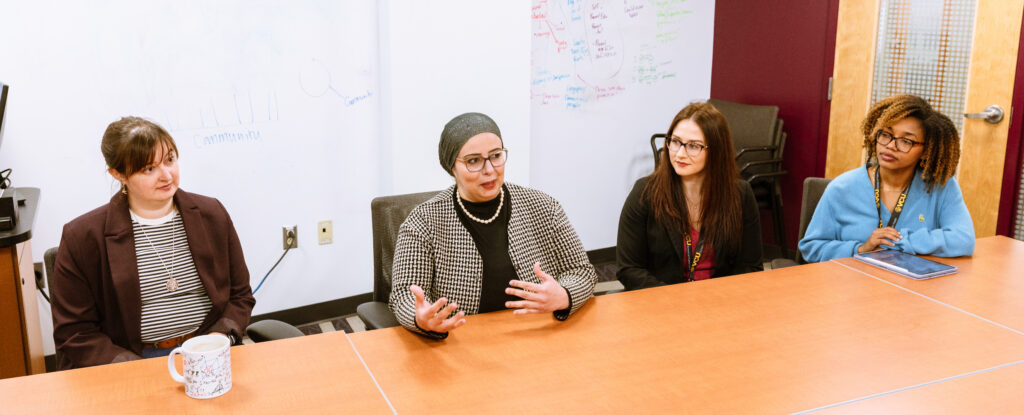
From the beginning, I prioritized connecting with students individually, meeting with each of them, and creating a space where they feel comfortable sharing their ideas and concerns. Having graduate students nearby allows for daily informal conversations, which helps break down barriers and reinforces that we are here to support them.
Creating a welcoming environment benefits not only the department but also the broader community. Our students are future leaders, and when they see a collaborative, engaged, and supportive culture, they learn by example. By making time to talk, share ideas, and show that we value both people and work, we model a culture of excellence, care, and inclusion.
What excites you most about what the department is doing right now?
The most exciting thing for me is the interdisciplinary nature of the research happening in Epidemiology. The projects that our faculty are leading are wide-ranging, including genetics, social epidemiology, chronic disease, women’s health, nutrition, global health, brain health, cancer epidemiology and more.
We are leading research on sleep and heart rate variability, and everyone is doing a fantastic job. The collective work is what I’m excited about.
The Center on Society and Health is a great example of the strength of interdisciplinary work and community engagement which are core elements for high quality epidemiology research.
What are your hopes for the future of the department?

The department is small in size but large in impact. You can see that through the strong interdisciplinary collaboration across the university and across the school.
We will expand faculty crosscutting epidemiology methods, infectious disease, aging, neuroepidemiology, population health, and intervention epidemiology.
We aim to ensure the curriculum provides our students with tools and training they need to achieve impactful growth in the world of public health, and we’ll serve as the hub for interdisciplinary research for the university.
Why is now an important time for public health?
Public health is not something that can be addressed at a specific point. It has to stay strong and important, no matter what happens.
But we are facing evolving challenges, emerging infectious disease, real world data, climate, and environmental changes. And advances in tech, like AI, are reshaping how we conduct research, analyze data, and understand findings. We need to embrace new methods while maintaining rigor and high standards. Now more than ever, we must train future public health leaders and epidemiologists who are equipped to navigate these complexities and respond to new challenges. We have a momentum of responsibility and opportunity for our students to strive, and they will strengthen the field and its value to society.
Categories Department news