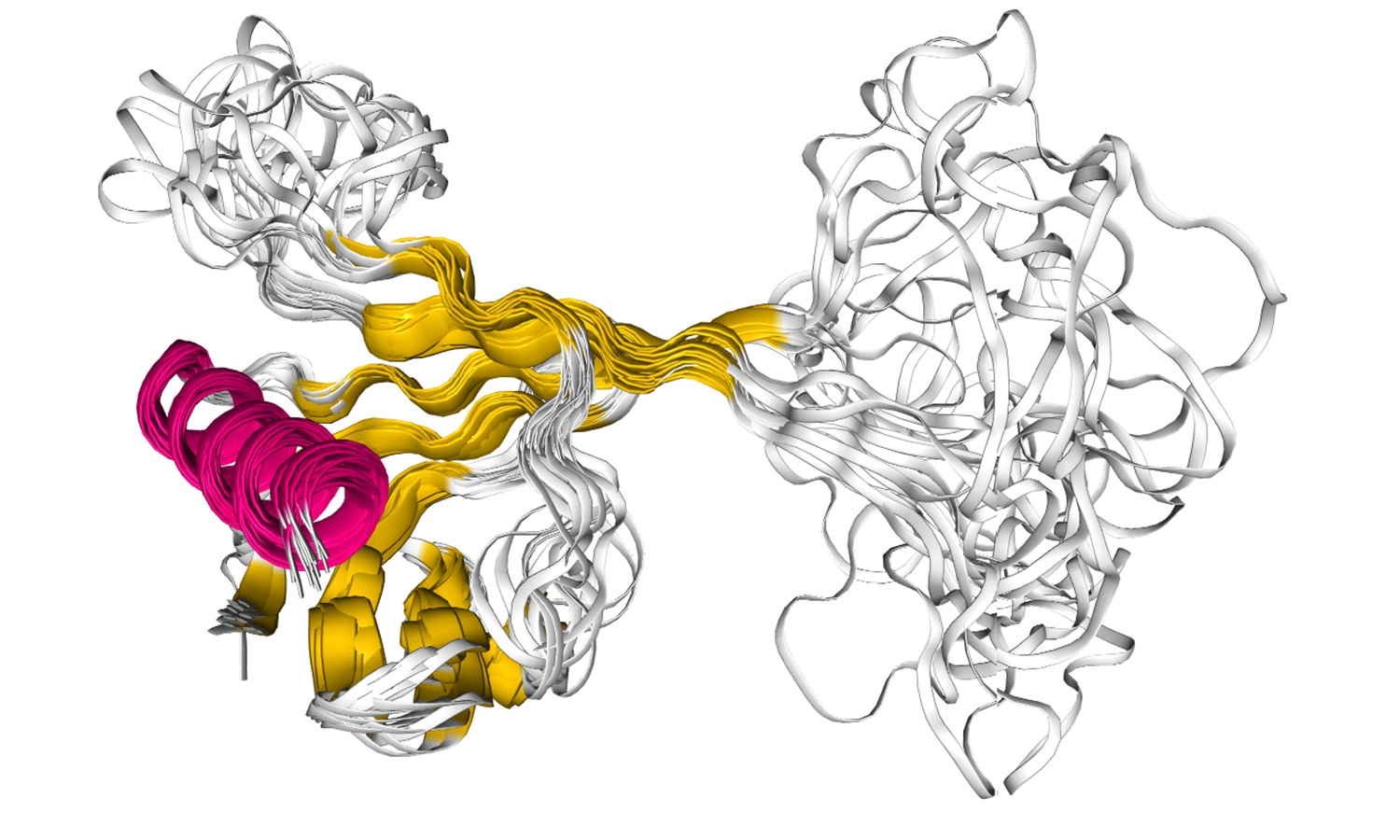
National Science Foundation continues decade of support for protein research at VCU
Supported by a new National Science Foundation grant, VCU researcher Lukasz Kurgan, Ph.D., is developing advanced AI tools to better predict and characterize intrinsically disordered proteins linked to complex human diseases.
National Science Foundation awards $250,000 to further research on AI-related security risks at VCU College of Engineering
With a $250,000 National Science Foundation grant, Virginia Commonwealth University and Drexel University are developing hands-on coursework to teach software engineering students how to identify and mitigate AI-related security risks.
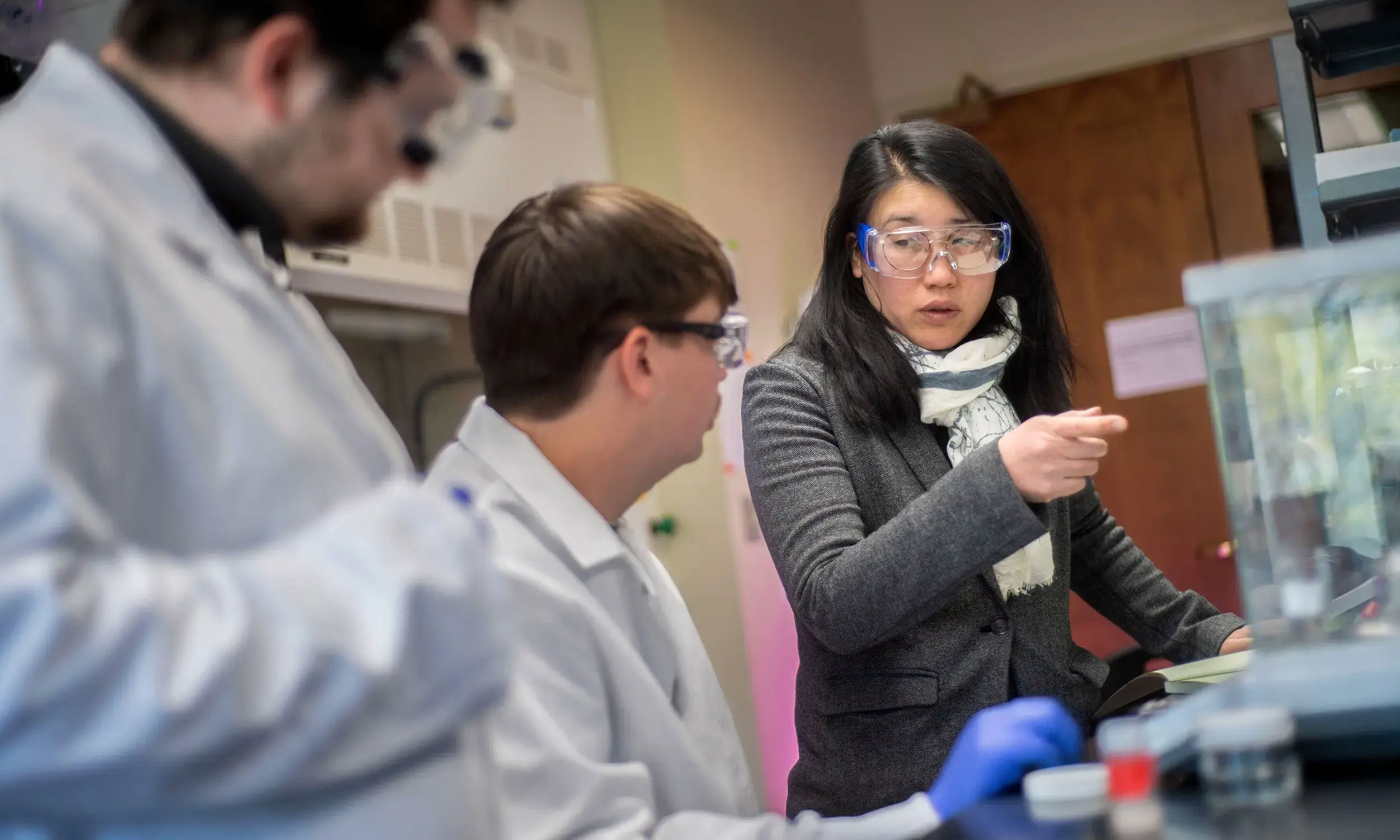
‘Smart fabrics’ are an ideal fit for Christina Tang
VCU researcher Christina Tang develops smart fabrics using liquid crystals. Her work explores materials that change color to monitor health, improve thermal comfort, and even enable advanced camouflage like invisibility cloaks.
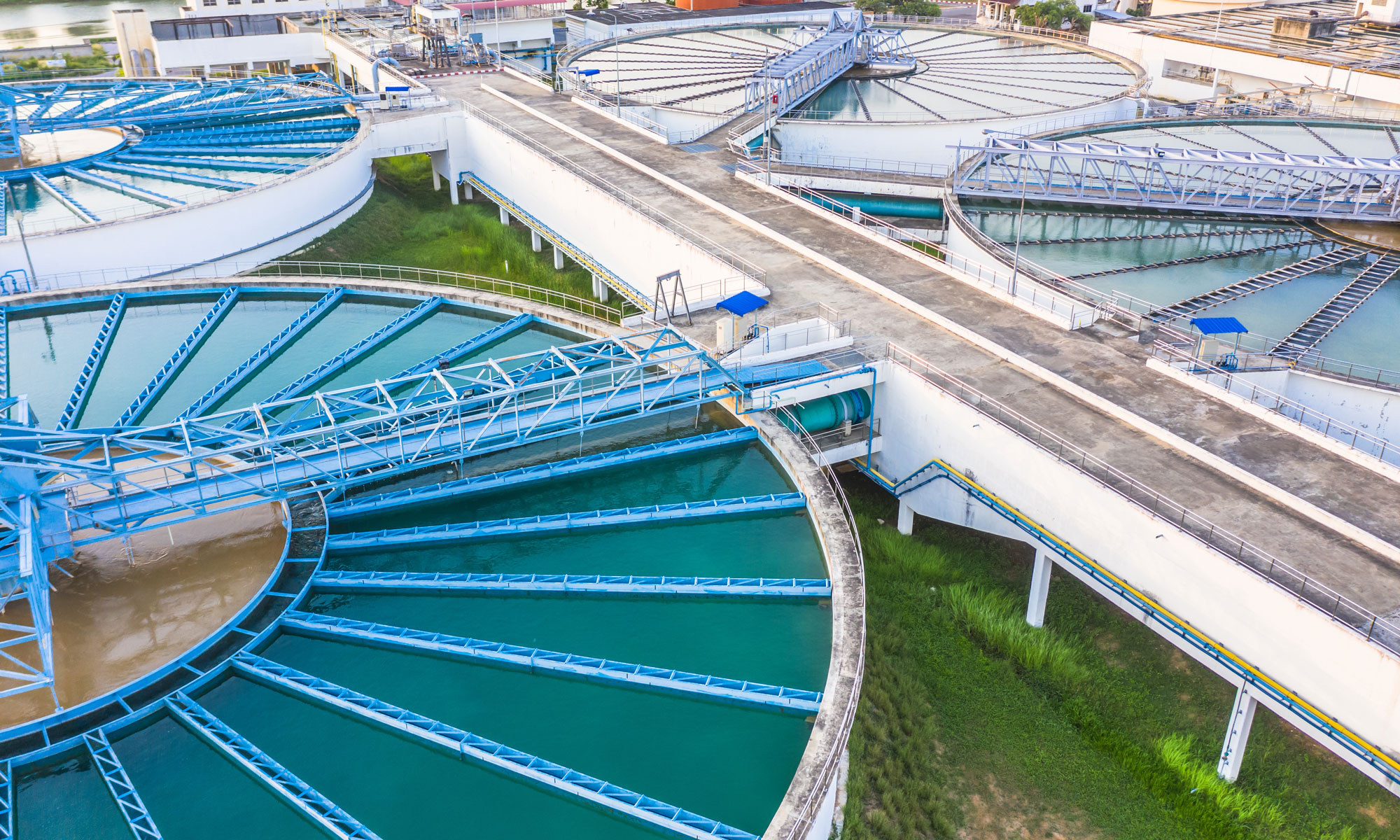
Strengthening security of drinking water infrastructure, VCU researchers receive support from Commonwealth Cyber Initiative
VCU researchers received a $100,000 grant to develop quantum-AI monitoring for smart water networks, aiming to detect cyber-attacks and infrastructure failures faster and more accurately than traditional systems.
VCU College of Engineering receives $600,000 for AI-driven cybersecurity research
VCU Professor Kemal Akkaya, Ph.D. received a $600,000 NSF grant to research using large language models to automate packet labeling, enhancing the accuracy and speed of AI-driven cybersecurity defenses.

Nuclear Reactor Simulator Lab at VCU College of Engineering expands functionality with $160K grant from Virginia Clean Energy Innovation Bank
The upgrade expands the existing generic pressurized water reactor simulator and greatly increases VCU Engineering’s workforce development, public engagement, and research and development activities.

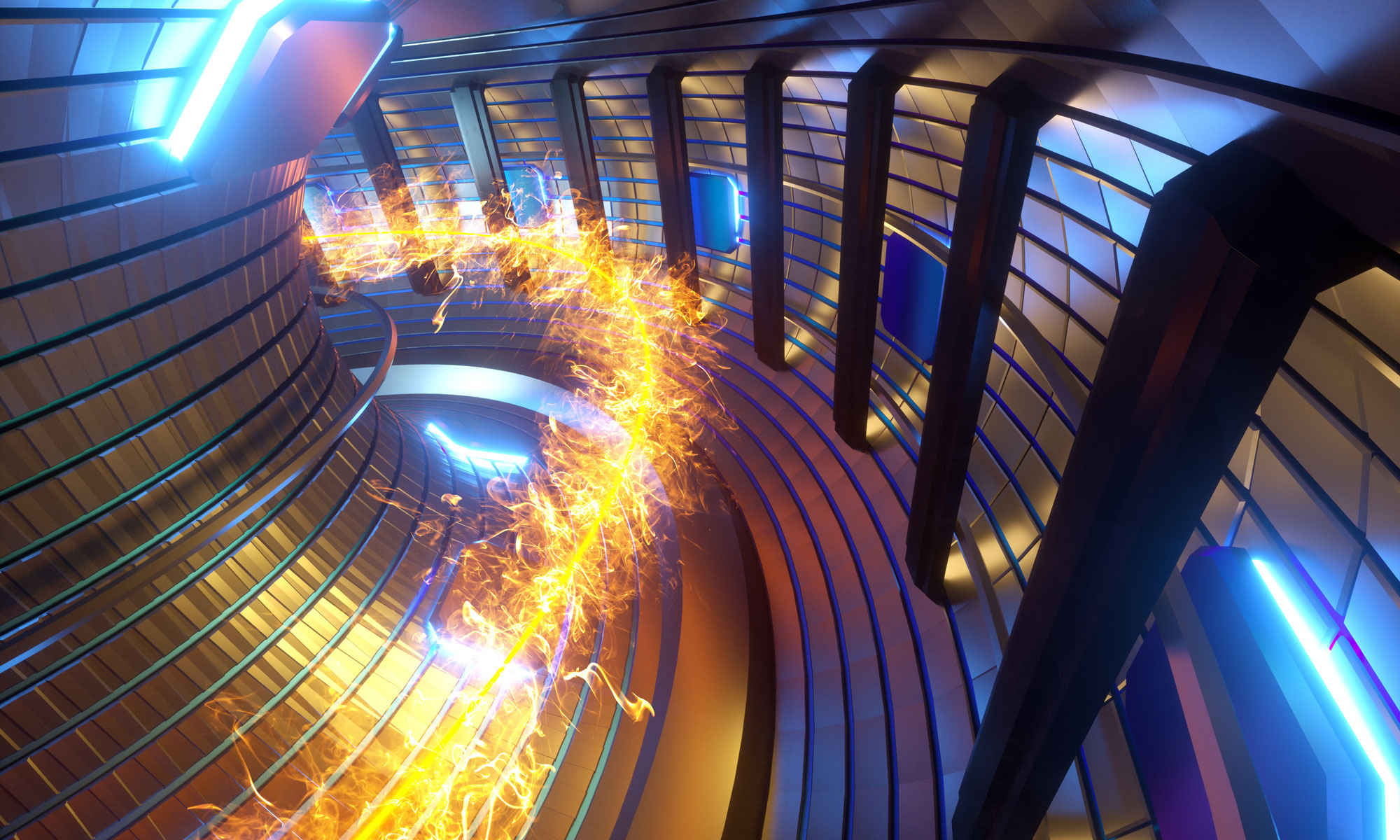
Advanced magnetic materials fusion research at VCU College of Engineering receives $500K grant from Virginia Clean Energy Innovation Bank
Funding will advance critical research in magnetic materials needed for compact fusion reactors.

Department of Energy awards $928,000 to Lane Carasik, Ph.D., for fusion energy systems research
The project seeks to solve engineering challenges with plasma facing walls infusion energy systems.
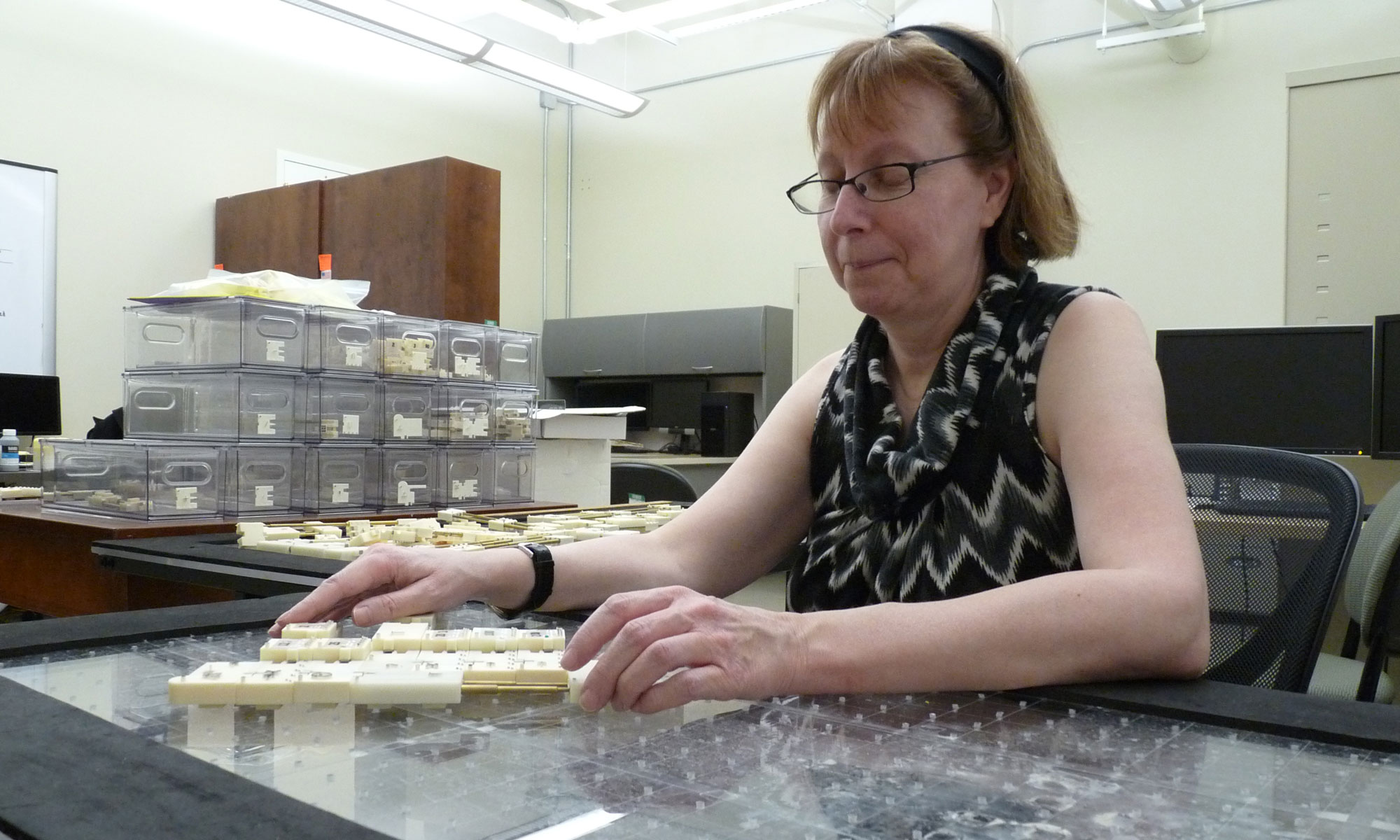
VCU College of Engineering receives $4.5 million of funding for research supporting blind-visually impaired individuals
Split across two grants, the awards help Dianne Pawluk, Ph.D. and collaborators create BVI tools that create equal opportunity.
At VCU, impactful innovation follows multiple paths
Here is how researchers turn inventions into ventures — and why industry and government are taking notice.