
Building a Biotech Hub, Part II: How Machine Learning is Redefining Pharmaceutical Manufacturing
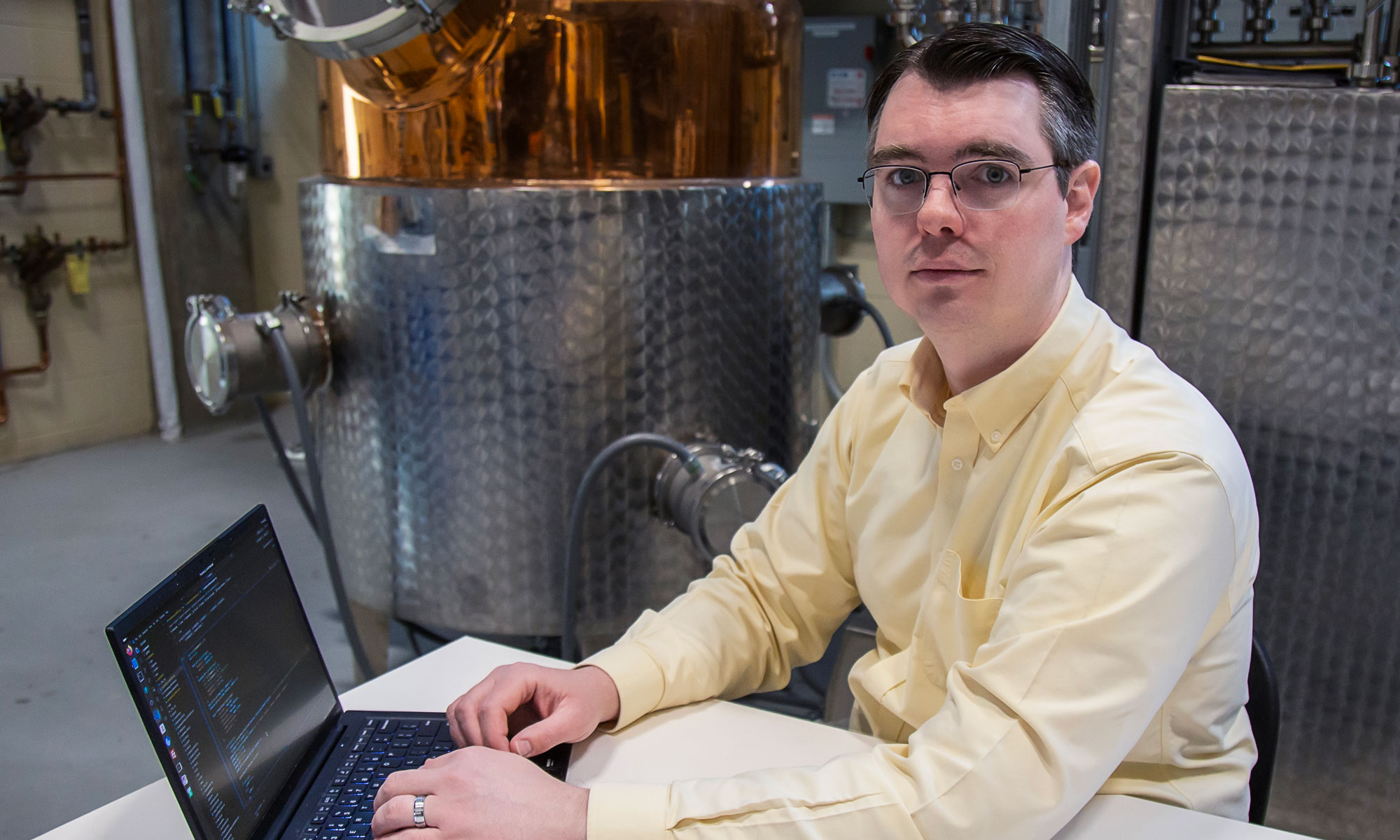
Charles McGill, Ph.D., is amongst the faculty leading innovation at VCU Engineering, using machine learning to explore a vast universe of chemical possibilities.
Building a Biotech Hub, Part I: How VCU’s Industry Veterans are Working to Reshape Virginia’s Pharmaceutical Manufacturing Landscape
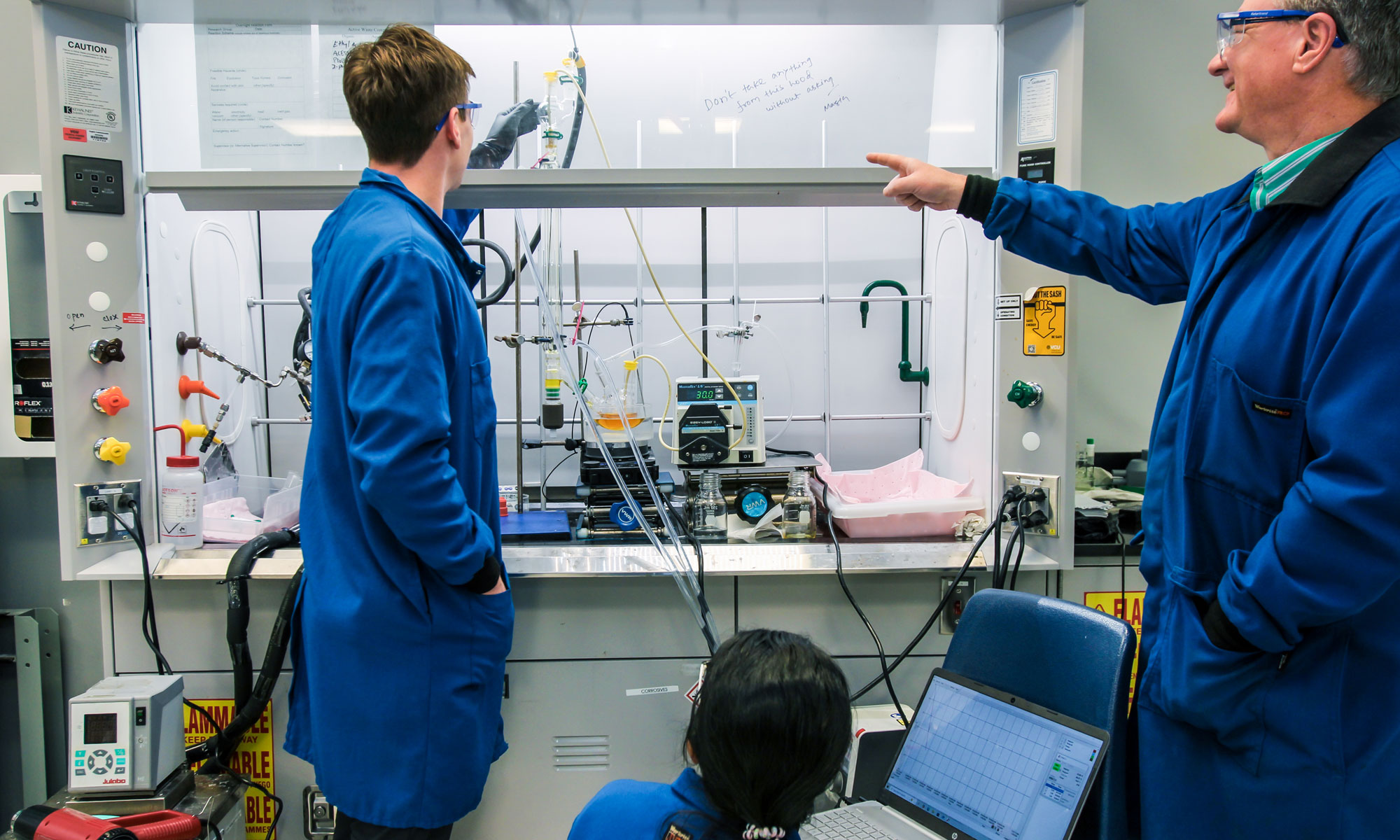
Thomas D. Roper, Ph.D. is utilizing his years of experience in the pharmaceutical industry to help rewrite the narrative surrounding pharmaceutical manufacturing in the U.S.
Rare earth elements, joint pain and addiction treatment are highlighted in VCU faculty research receiving new awards
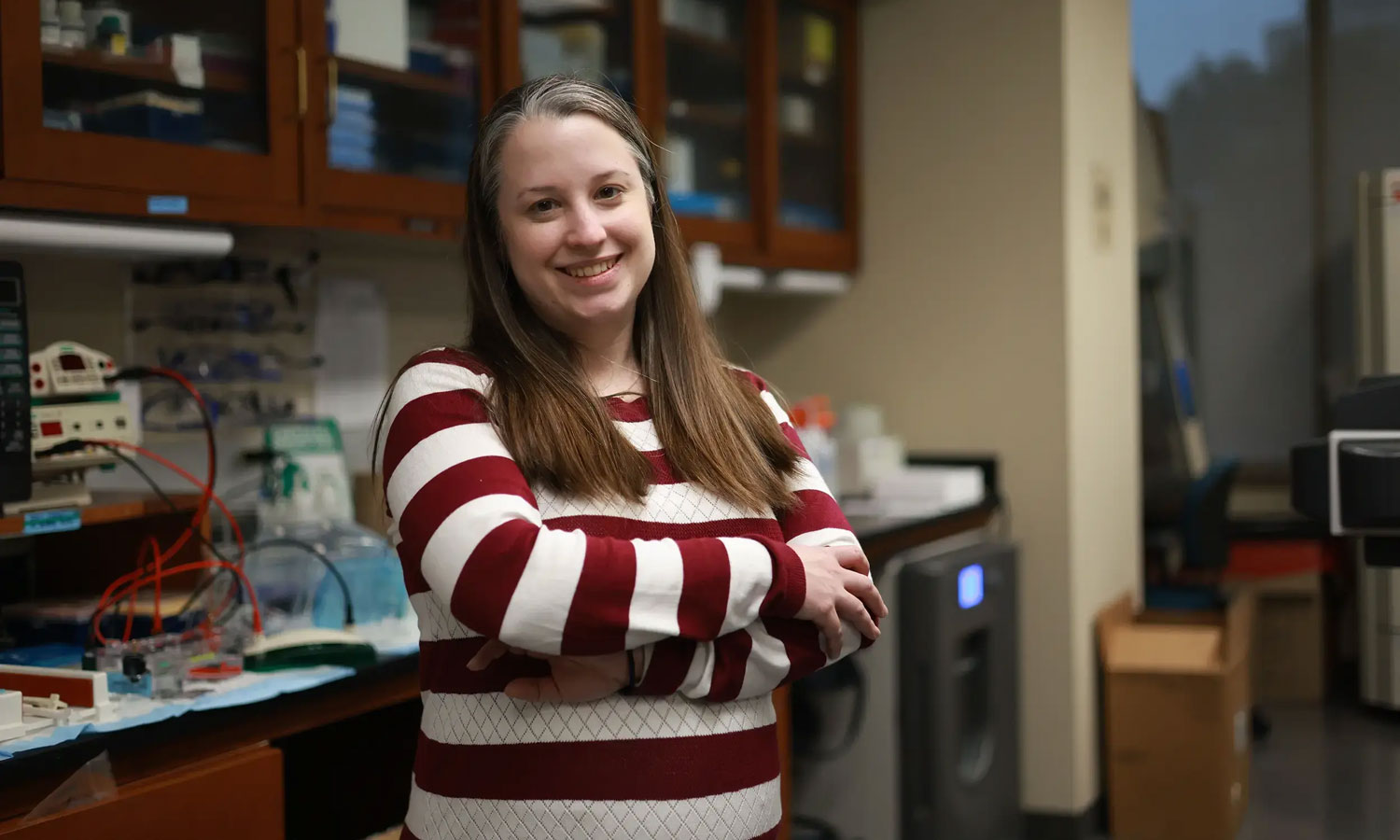
VCU researchers recently received Commercialization Fund awards to advance five innovative projects, including a synthetic protein for cleaner rare earth element extraction and new treatments for joint pain and addiction.
To measure the force of TBIs, this VCU lab builds a better brain
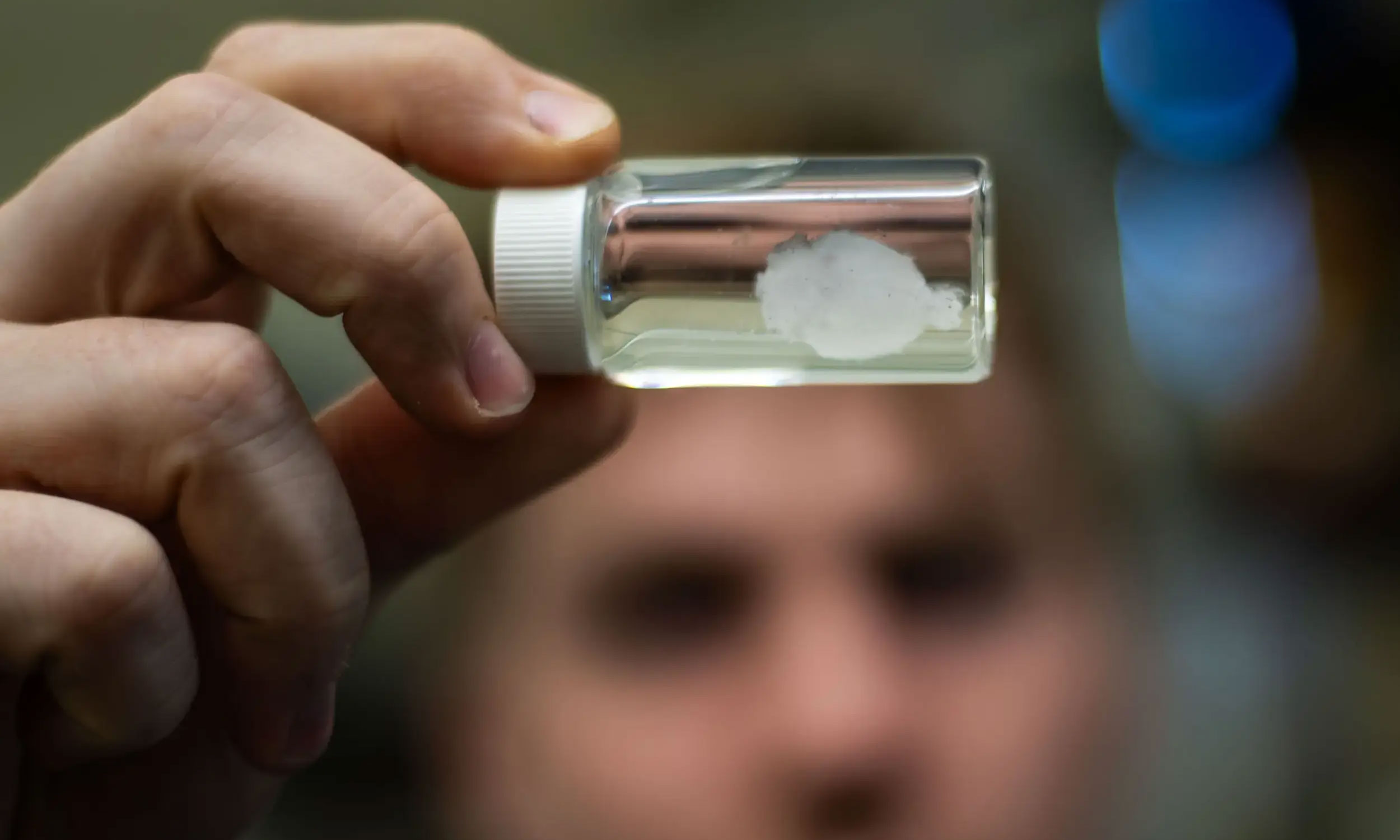
Researchers at Virginia Commonwealth University are 3D-printing lifelike hydrogel rat brains. These "phantoms" mimic brain viscosity to accurately measure the physical impact of forces like concussions, aiming to improve TBI research.
Anuradha Godavarty, Ph.D., joins the Department of Biomedical Engineering at the VCU College of Engineering
Her research in optical imaging positions VCU Engineering to become a significant contributor to medical device research.

Mechanical and Nuclear Engineering professor John Speich, Ph.D., advances bladder biomechanics research through collaboration with VCU School of Medicine
25 years ago, Speich had never even heard of neurourology and urodynamics. Today, he has 19 articles published in the journal of the same name.
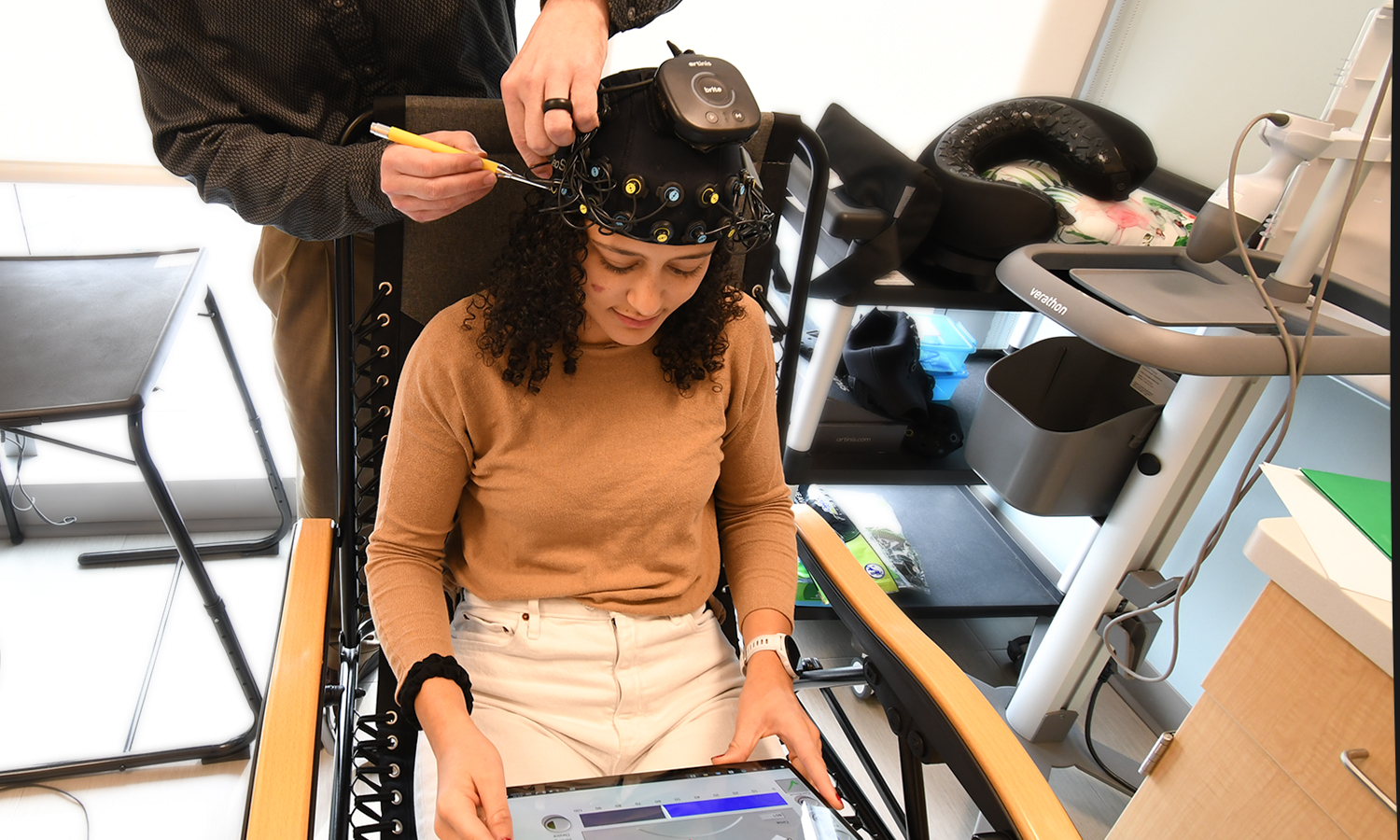
VCU College of Engineering receives $4.5 million of funding for research supporting blind-visually impaired individuals
Split across two grants, the awards help Dianne Pawluk, Ph.D. and collaborators create BVI tools that create equal opportunity.
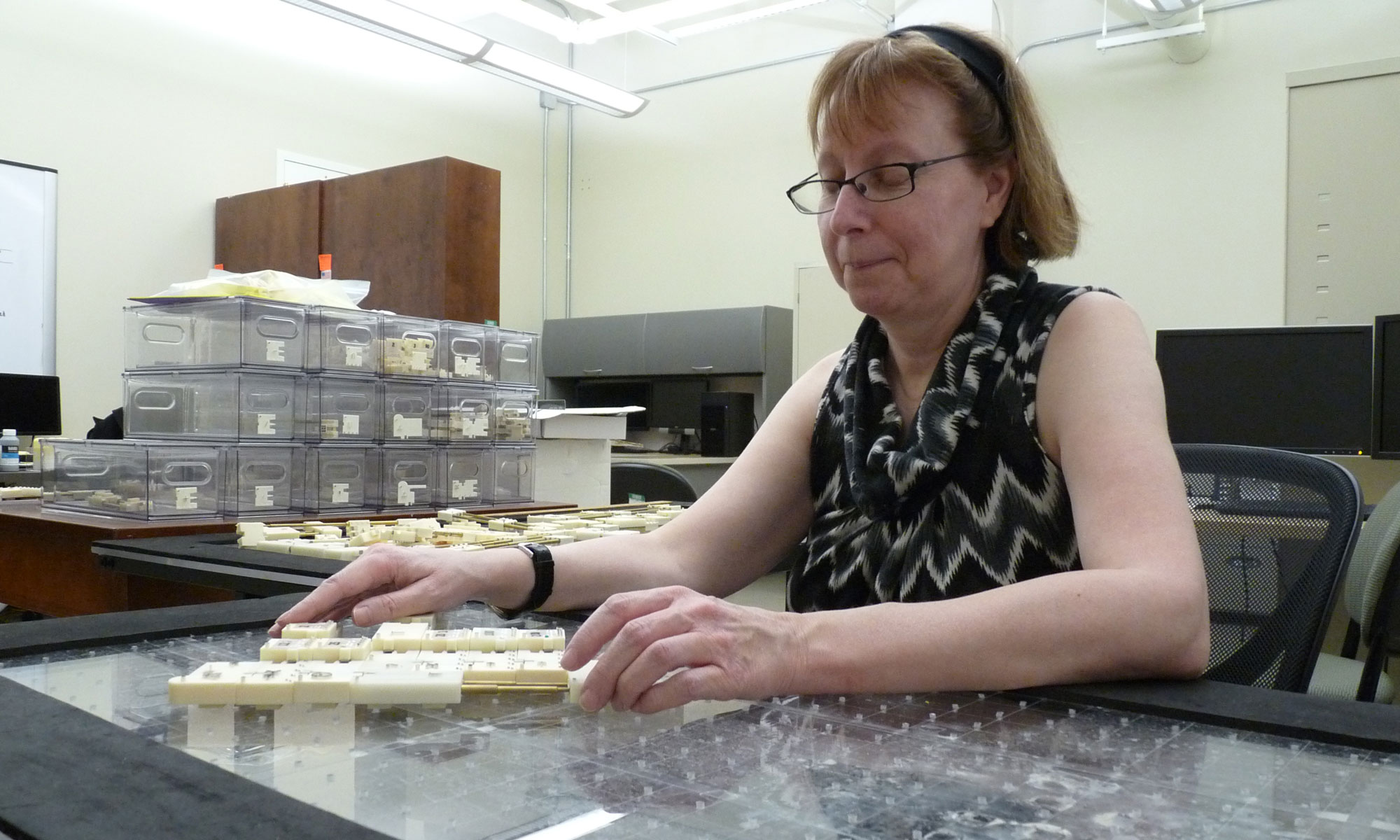
VCU innovators create device to mimic real blood flow to surgical training simulations
VCU researchers have developed a reciprocating diaphragm pump that mimics realistic, pulsatile blood flow. This innovation enhances surgical simulations by reacting to trauma scenarios, ultimately improving training for surgeons and military medics.
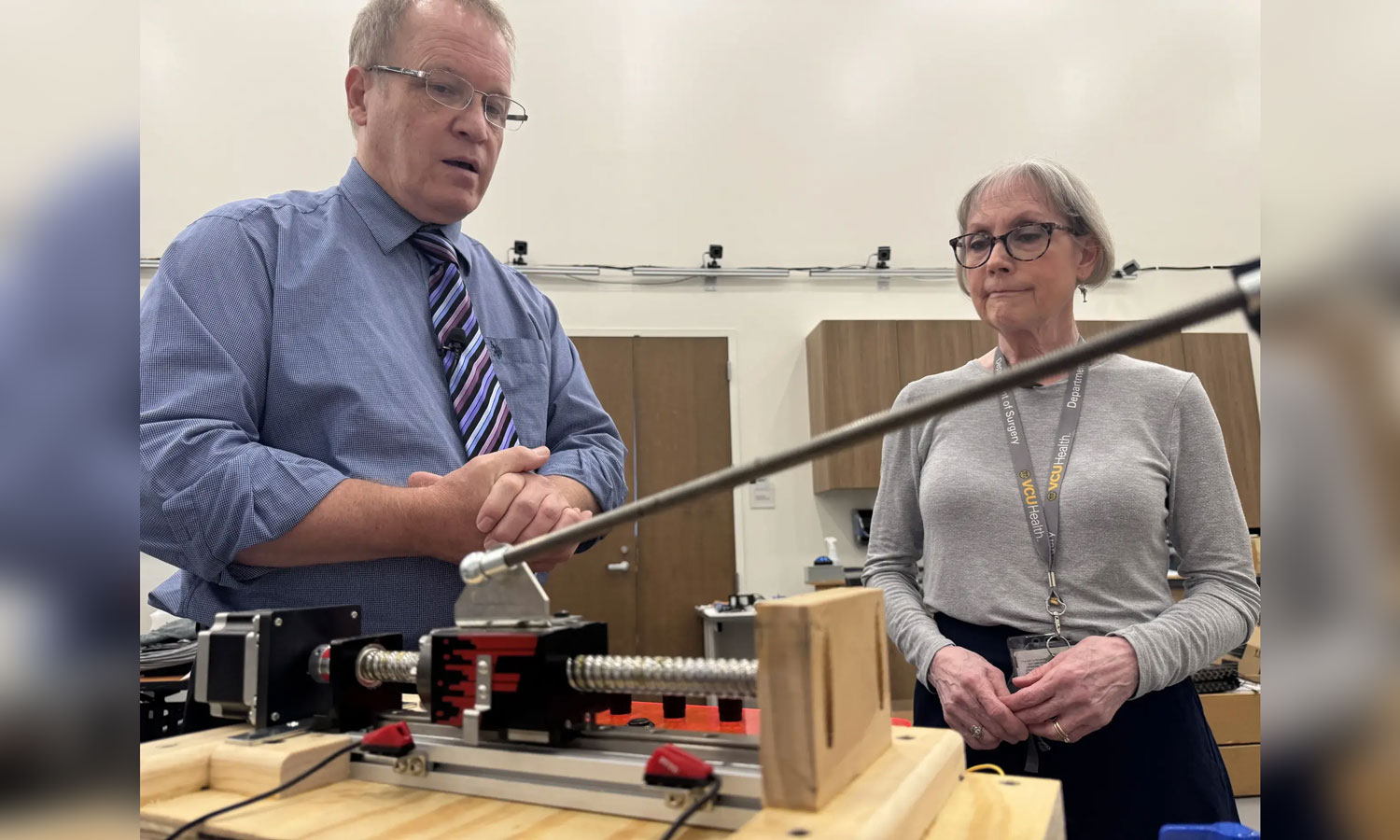
Engineering access: How Medicines for All is making lifesaving drugs affordable
From a Richmond lab bench to global impact, VCU’s Medicines for All Institute is reengineering lifesaving drugs to be more affordable and accessible, transforming the future for millions worldwide.
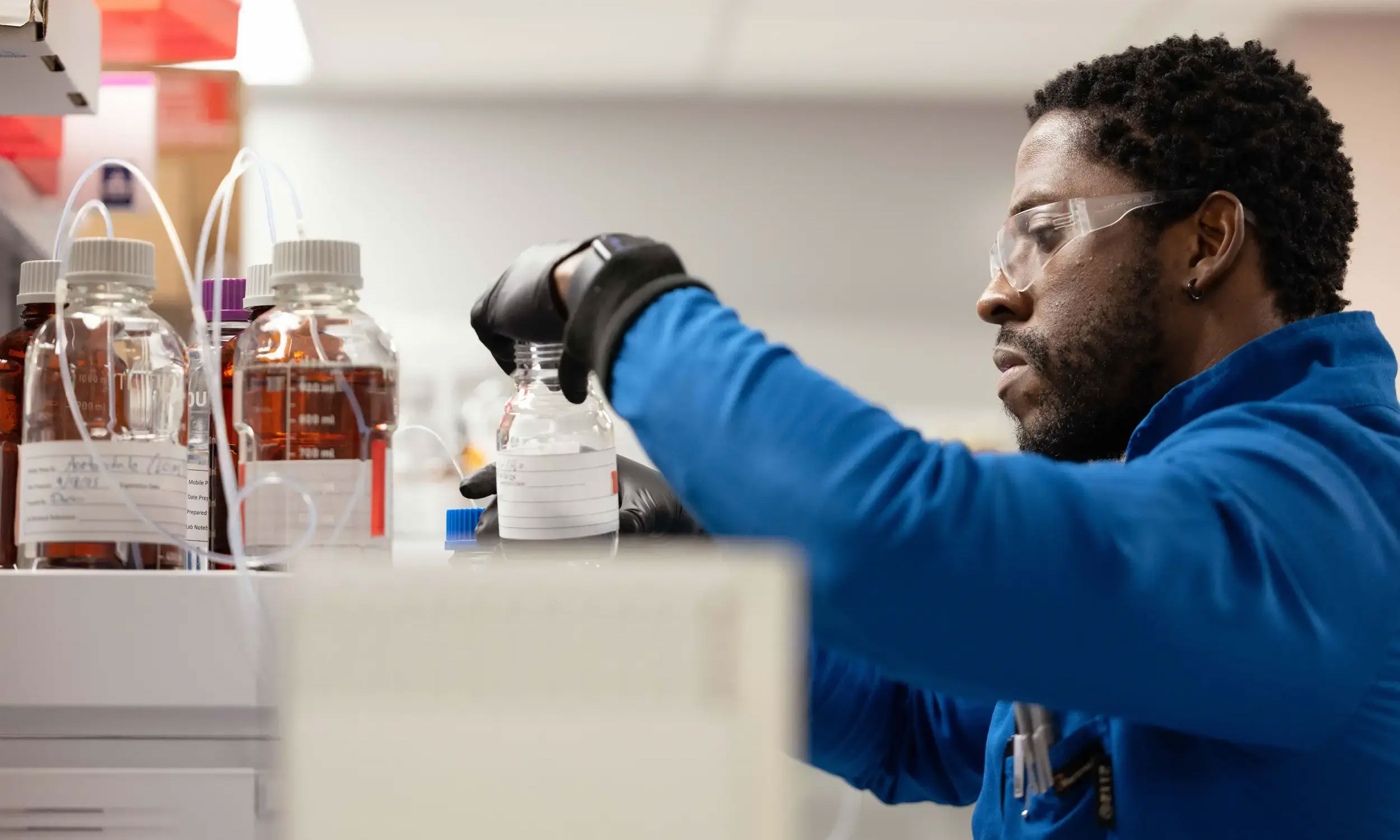
Pharmaceutical leaders AstraZeneca, Eli Lilly and Merck partner with VCU College of Engineering and other Virginia universities to form the Virginia Center for Advanced Pharmaceutical Manufacturing
The $12.5 billion capital investment seeks to produce 2,000-2,500 highly-trained professionals.