DCE March 2026 Engagement Highlights

Division of Community Engagement | Virginia Commonwealth University
Community Engagement is a practice that requires sustained presence, reciprocal relationships, and a willingness to let community-identified needs shape the work. March 2026 offered a vivid illustration of what practice looks like across Richmond.
Community Partnerships and Collaboration
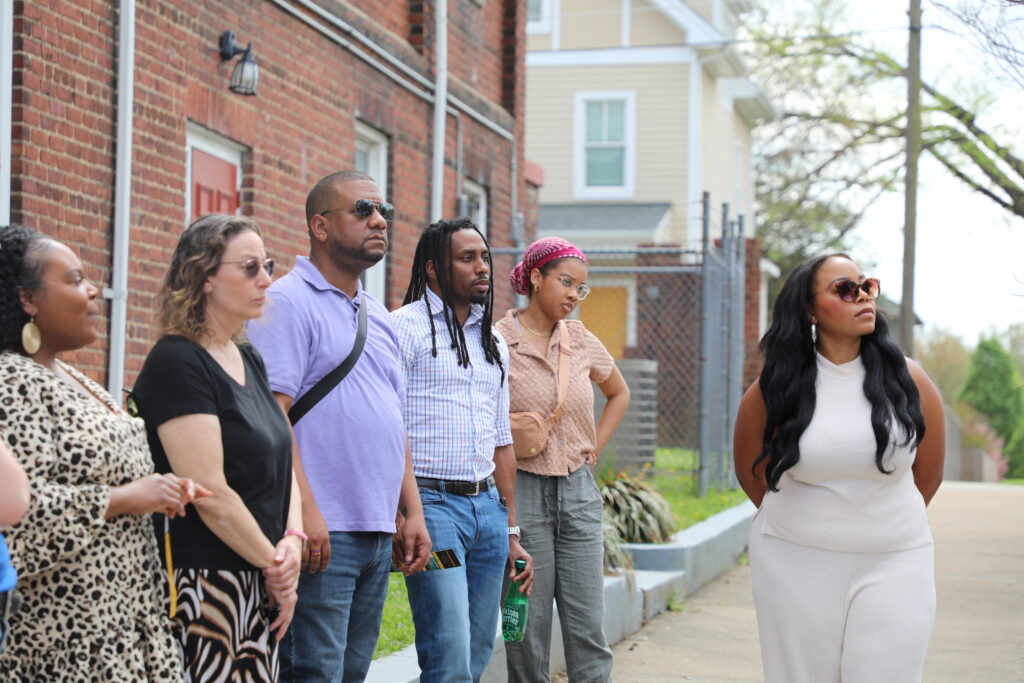
New collaborations took root across Richmond, including, but not limited to, the 9th District Council Office, The City of Richmond’s Department of Neighborhood and Community Services, Girls for a Change, and Embodhi Consulting.
Each of these relationships reflects a deliberate effort to align university resources with community-identified priorities, civic representation, youth development, and social and economic development.
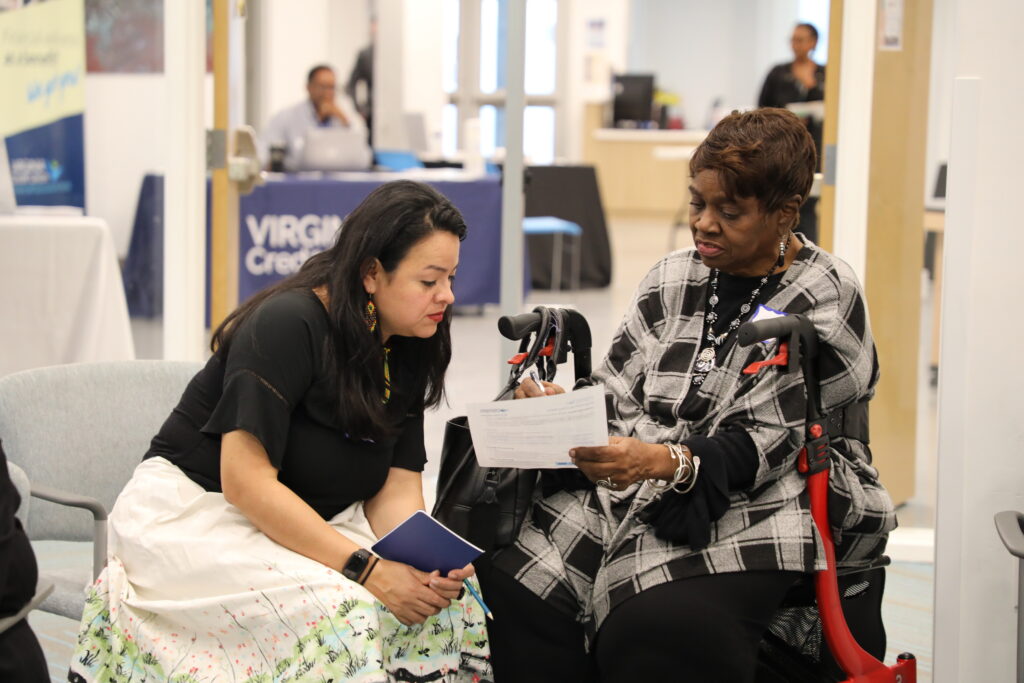
At the Health Hub on 25th Street, for the first time, staff from Richmond Redevelopment and Housing Authority came directly into the Hub to sit alongside residents and assist them in maintaining their place on the waitlist for public housing vouchers. The Mary and Frances Youth Center (MFYC) welcomed two new partnerships: Eathkin Nature School and VCU’s Division of Student Engagement and Impact, as well as launched a hybrid cohort for their Advanced Certificate in Youth Development Management program. Interested applicants are encouraged to submit their interest to Vaughn Garland [email protected].
Across our programs, March included more than 25 community meetings and engagements, from RBHA Board participation to the State of the City and ongoing coordination with Resilient Nation and the Blackwell Community.
VCU Day of Service: An Inaugural Moment
On March 19th, VCU held its inaugural Day of Service.
Nearly 100 volunteers from across the VCU community, including students, alumni, faculty, and staff, spent the day working alongside 11 community organizations and neighborhood leaders across the Richmond metro area.The work was tangible and varied from tree maintenance and park beautification at Southside Releaf Swansboro Playground, SOAR365, and Carver Elementary, cemetery cleanups at Barton Heights, meal preparation at Underground Kitchen, and more.
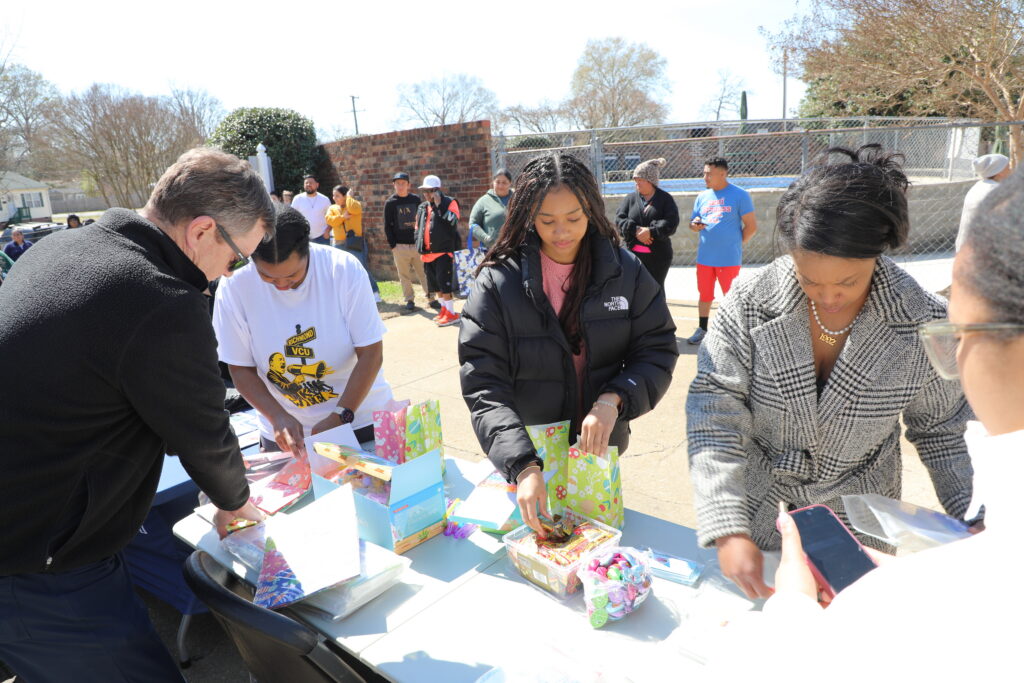
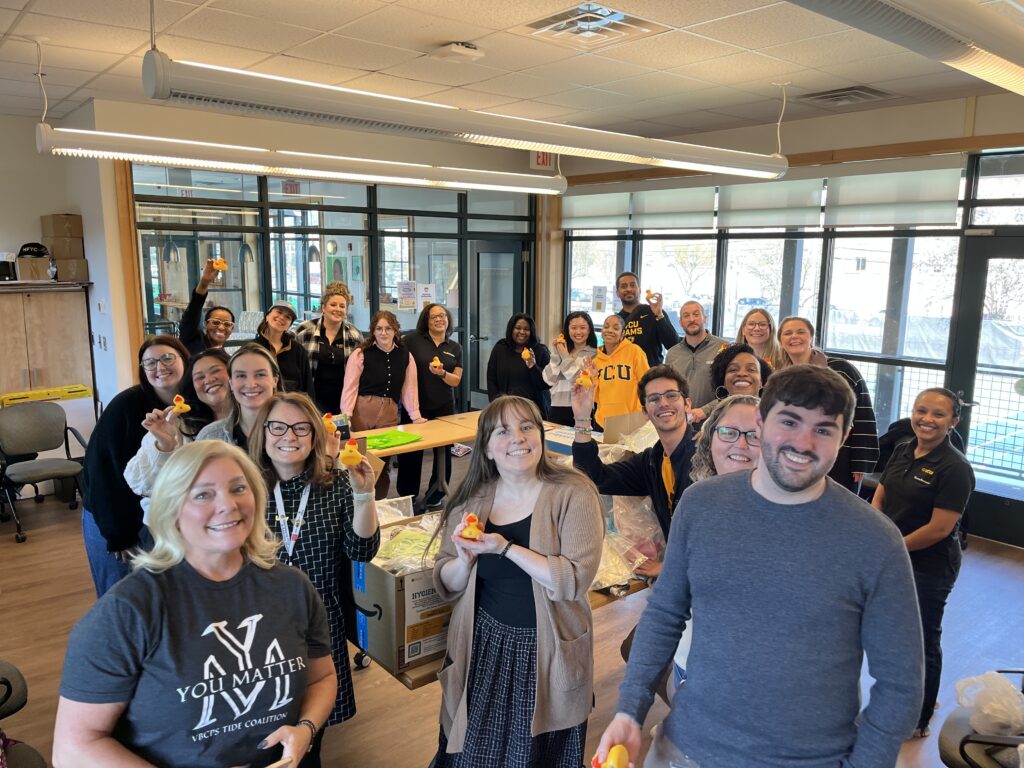
“Thank you for connecting us with the VCU volunteers for the Day of Service at Southwood. The students (and faculty) were kind, flexible, and eager to serve—supporting food distribution, preparing Easter bags, and uplifting the entire effort. Their impact was truly meaningful, and the leadership made the day seamless. We deeply appreciate this partnership and the difference it made in our community.” — Elena, City of Richmond Partner, Southwood Apartments
What made this day distinctive was its intentionality. VCU’s Community Service Leave policy, which allows eligible employees to use paid leave for community service, created conditions for faculty and staff to serve the communities that support our institution.
Four VCU students stepped into Team Leader positions- coordinating volunteers, managing logistics and community sites, and serving as the connective tissue between the university and its partners. Before the event, the Community Foundation provided formal training in volunteer management and event coordination.
The Day of Service was executed through broad cross-campus collaboration, with partners including Student Affairs, Alumni Relationships, Career Services, the Office of the President, the Office of Government Relations, VCU Police, the School of Social Work, the School of Education, the Health Hub at 25th, the Mary and Frances Youth Center, University College, Office of Athletics, and Human Resources.
“The Day of Service represents more than a single event; it reflects a commitment to community-engaged practice grounded in respect, partnership, and mutual learning. It affirms that communities possess inherent strengths, resilience, and expertise, and that meaningful engagement requires us to approach this work with humility and intentionality.” — Verenda Cobbs, Senior Manager for Civic Innovation and Partnerships
This inaugural event demonstrated that community engagement is an institutional commitment expressed through the people who make up VCU. Two focus groups will be held on April 22, 2026, at 10 AM & 4 PM to share feedback on how participation benefited the community and how this experience can become a more sustained partnership with the community and be offered in the future. Visit community.vcu.edu to sign up.
Student Engagement and Experiential Learning
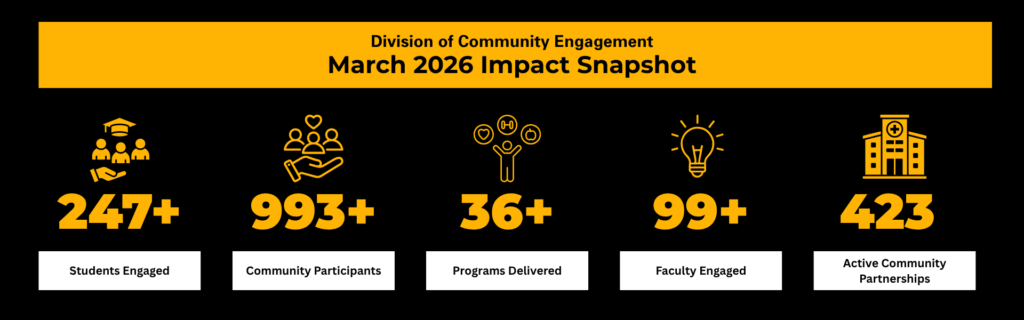
This month, more than 240 VCU students engaged through community-based learning across our programs—through service learning, internships, Federal Work Study placements, graduate assistantships, and volunteer leadership.
At the Health Hub, 66 students engaged across academic classes, nursing rotations through the Mobile Health and Wellness (MHWP), and internships. Two BSW interns completed the full arc of community-based research placement: administering surveys with community members in the early semester, then shifting in March to data analysis, program preparation, and community outreach. Their reflections speak to the depth of that learning.
“My internship at the VCU Health Hub has enhanced my academic learning experience by allowing me to apply social work theories in real-world settings, strengthen my communication skills, and gain a deeper understanding of how community-based resources can help support individuals.” — Aleah Etue, 4th Year BSW Student
“This internship has enhanced my academic learning by helping me apply classroom lessons, develop resilience, and navigate real-world challenges thoughtfully.” — Katie Dawson, 4th Year BSW Student
The Mary and Frances Youth Center engaged 93 VCU students this month across open and club pickleball and volunteer roles. This number was supported by 19 student staff members, including a Graduate Assistant, two Transformative Federal Work Study interns, and two Social Work Interns. Laila McGlone, a social work intern, is co-leading the Youth Advisory Board alongside Graduate Assistant Betty Kiconco and facilitated a mental health workshop for youth at Wilder Middle School. This work demonstrates how student practitioners, when well-supported, can contribute meaningfully to community wellbeing while deepening their professional development.
Student Spotlight

Meet Xavier Wise, a Real Estate major at BCU and a dedicated member of the Student Council for Community Engagement. Xavier has made giving back a central part of his college experience, volunteering his time and energy to uplift those around him. His passion for community engagement continues to shape him into a well-rounded leader both on and off campus. ▶️ View his spotlight video to hear more about his journey 🎥 !
Programs and Community Participation
Across DCE, March programming reached hundreds of Richmond residents through initiatives that addressed health equity, youth development, civic education, housing access, legal literacy, and leadership.
The inaugural Side by Side Exchange brought together a faculty member, a community organizer, and a local government employee for a candid, cross-sector conversation on food accessibility. More than 50 attendees gathered to hear three panelists offer distinct but complementary perspectives on how ideas become actionable change. The Girls, Unlimited Book Talk, featuring author Dr. Monique Couvson, drew more than 50 in-person participants and additional virtual attendees for a discussion on leadership, advocacy, and research centered on the experiences of young women and girls.
Health Hub at 25th Street hosted 16 programs and welcomed 389 community members—an increase of more than 100 participants from the previous month. Programs included the Medical Legal Partnership’s Legal Education Series (covering Life Planning basics for 10 participants), the RRHA housing support event, a Memory Café, Fitness Warriors programming, an Opioid Task Force meeting, a rollator walking group, a Massey Cancer Center watch party for colorectal cancer awareness, and more. The Hub’s strength lies in its place-based approach, bringing clinical, legal, social, and educational programming together within a single, community-accessible space. This integration within the community itself highlights its unique value as a site for community-engaged work.
The Mary & Frances Youth Center delivered and/or hosted 15 programs this month—9 youth programs and 7 adult programs—reaching 174 youth and 224 adults. Youth programs included partnerships with Cultural Roots, Carver Elementary, Peter Paul, Wilder MS, Richmond Success Academy, Girls on the Run, CodeRVA, and Star Seeds. A standout moment: students from Richmond Success Academy visited the MFYC for physical fitness programming and returned a second day to climb the rock wall at Cary Street Gym. Their teacher described students who “oftentimes have no one who supports and believes in them.” The visit was powerful enough that both sides are already planning for next year—a straightforward indicator of what sustained, relationship-centered programming can produce.
Adult programming at the MFYC included the Power of Pause workshop, RichmondYPQI sessions on Emotion Coaching and Planning and Reflection, a Breathe Easy Parent Night and Creative Writing Workshop, and the Girls, Unlimited Book Talk. The breadth of this programming reflects the MFYC’s understanding that supporting youth requires investing in the adults and systems around them.
RichmondYDN Professional Skill Building Day: Investing in the Workforce Behind the Work
Now in its second year, the RichmondYDN Professional Skill Building Day has quickly established itself as one of Richmond’s most meaningful convenings for youth development professionals. This year, 59 practitioners gathered for a full day of interactive workshops, skill-building sessions, and community connection—drawing from across the fields of youth services, health, mentorship, caregiving, teaching, social welfare, case management, and program leadership.
The event was rooted in a straightforward but important premise: the young people of Richmond are only as well-served as the professionals who show up for them are equipped and supported. It was developed in response to a direct request from the community. With that in mind, the day was designed not just to train, but to invest. Attendees participated in workshops on strategic planning for life and career design, managing up and working effectively with leadership, small business credit 101, and AI-powered writing tools to strengthen their work. Every participant also received a professional headshot—a small but tangible investment in how Richmond’s youth workforce sees and presents itself.
“I like how the overall theme was self-growth leading to helping others grow.” — Donnell Taylor, Fairfax County
The event was anchored in the VCU Advanced Certificate in Youth Development Management, but open to any professional working in the youth and community development ecosystem. What this event recognizes is something that often goes unsaid in conversations about community impact: the workforce that shows up for young people every day needs the same investment, encouragement, and professional development that we ask them to provide to others. Mary and Frances Youth Center is responding to that need and is ready to keep building together.
Faculty Engagement and Research Collaboration
Community-engaged scholarship invites faculty to engage their expertise in partnership with communities, recognizing shared knowledge and fostering collaborative approaches to learning and action. March offered several examples of that orientation in action.
This month, two publications from our team were accepted: “The Role of Research Ecosystems in Facilitating Effective Research Development and Collaboration: Lessons from GRANTED Convenings”, accepted to Research Development Review: The NORDP Journal, and “Intentional Networking: A Strategy For Creating Spaces of Civic Joy and Impact”, accepted with revise and resubmit to Catalyst: An Interdisciplinary Journal of Service Learning and Community Engagement. Both reflect the kind of scholarship that takes community engagement seriously as a site of knowledge production.
Health Hub at 25th Street engaged 8 faculty members this month across its programming and partnerships—including faculty from Kinesiology and Health Sciences, Social Work, Nursing, and Pharmacy. The KARE Project, led by Dr. Amber Paulus, continued its Tuesday kidney screenings, adding 11 individuals to its research dataset in March. Behind that number are 11 people who now have health information they didn’t have before and whose participation is contributing to a growing body of evidence with direct implications for East End health equity. The Hub also facilitated a new connection between the Kinesiology and Health Sciences department and VCU Health Injury Prevention, both of which conduct fall prevention work—creating the conditions for a future collaboration that began with a conversation at the Hub.
The Mary & Frances Youth Center engaged 5 faculty members this month in its most significant research development effort yet: a proposal submitted for VCU’s Breakthrough Funding, developed in partnership with the Center for Sport Leadership, the Department of Rehabilitation Therapy, and the Office of Innovation and Strategic Design, focused on youth sports gambling prevention. The research question originated in the community, and the curriculum will serve youth, teachers, and parents.
Across Collaboratory, VCU’s community-engaged partnership database, faculty engagement this month spanned approximately 12 trainings, 40 faculty across 35 units, including the Honors College, the Institute for Drug and Alcohol Studies, the Center on Health Advancement, Chemical and Life Sciences, Engineering, and the Metropolitan Educational Research Consortium. As one partner reflected on what it means to make that work visible:
“It is great to publicly share the collaborative work that our team is doing in support of Latino youth and families.” — Dr. Gabriela Leon-Perez, ALMA Director
Lastly, we have convened a 16-person working group to begin exploring what communities actually need from artificial intelligence—a conversation that, notably, begins with community members at the table.
Faculty Spotlight
Laura Battaglia, assistant professor at the VCU School of the Arts, highlights how community-engaged design can center listening, relationships, and shared experiences to create meaningful impact. Through projects like Sewanee Praises and initiatives such as House Lab, her work demonstrates how students and communities collaborate to uncover stories, address real-world challenges, and shape more sustainable and responsive design solutions.
Strengthening Community Infrastructure and Capacity
Sustainable community engagement requires more than programs and partnerships. It requires the infrastructure—data systems, grant pipelines, trained reviewers, shared platforms—that allow good work to be documented, funded, and scaled.
The Health Hub and MFYC co-hosted four Seed Grant informational sessions, with 70 total attendees learning about funding opportunities to support East End community health and wellness projects. One session included dedicated grant-writing skill-building, expanding the capacity of community organizations to pursue and steward resources independently.
Finally, March brought well-deserved recognition to our team. Vaughn Garland, Associate Director of Education and Outreach at the Mary and Frances Youth center was nominated for the Staff Senate Professional Integrity Award. Alliannah Hamilton, Digital Communication Specialist, was nominated for the Benchmark Award for New Employee. And Verenda Cobbs, Senior Manager for Civic Innovation and Partnerships, was honored with both the PACME Presidential Nomination for Community Multicultural Enrichment and the President’s Danny Woodward Service Excellence Award. These recognitions reflect something real about the culture of this work—that integrity and sustained commitment are noticed, and worth celebrating.
Looking Ahead
Community engagement is a long-term endeavor. March was one month of it, a month of firsts, generative, demanding, and full of moments that remind us why it matters. The relationships formed, the students’ learning, the community members served, and the research questions being asked together: these are the building blocks of something durable.
We look forward to continuing the work in April and beyond.
The VCU Division of Community Engagement advances the university’s commitment to thriving communities through partnerships, student experiential learning, research, and capacity-building across the Greater Richmond region. Learn more at community.vcu.edu.