Humphrey Fellow studies link between stimulant use and problem gambling

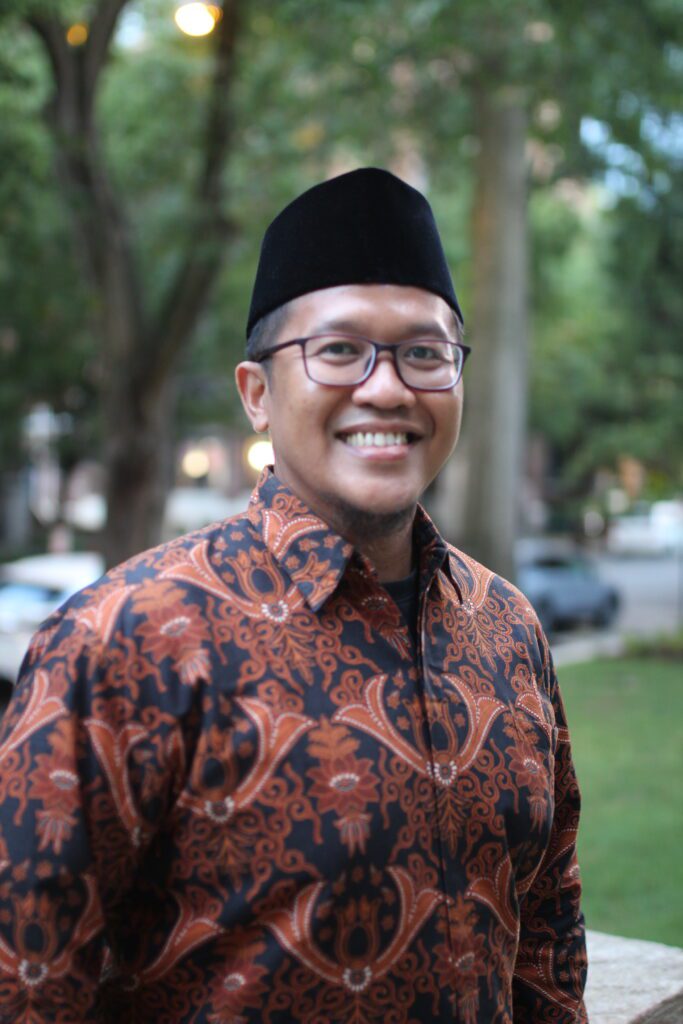
Humphrey Fellow Hari Nugroho is spending 10 months at Virginia Commonwealth University researching connections between methamphetamines and problem gambling, as well as adolescent drug use, prevention, and treatment methodologies.
As a physician and addiction counselor with the Indonesian government, Hari Nugroho has long sought to improve approaches to substance use treatment.
However, 10 years ago, he started to notice a troubling new trend. A growing number of his substance use patients, particularly those who used methamphetamines, also showed signs of addictive behavior with online gambling. Nugroho decided to dig deeper, wondering if there was a link between the use of stimulants and problem gambling.
Nugroho spent several years researching the connection at home in Indonesia, even implementing an online problem gambling screener adapted from a UK researcher’s behavior index.
But he still found it challenging to identify patients in need of support and research on problem gambling was limited. In Indonesia, while methamphetamines are cheap and relatively easy to access, gambling is illegal. While online slot machines are popular among adolescents and young adults, they were often hesitant to reveal their gambling activity.
To further study the connection between methamphetamines and problem gambling, Nugroho turned to the U.S. where gambling laws are less restrictive. He received a 2024-25 Hubert H. Humphrey Fellowship, allowing him to spend 10 months at Virginia Commonwealth University researching adolescent drug use, prevention, and treatment methodologies, as well as trauma-informed care and digital interventions for substance use.
Nugroho’s research has focused on analyzing existing studies on methamphetamines and online gambling, particularly adolescents and young adults. He hopes to identify areas in need of further research that he could explore once he returns home this summer. For instance, while online gambling research is limited in Indonesia, methamphetamines are less studied in the U.S. when compared to other stimulants like cocaine and nicotine.
Those gaps may provide an opening for Nugroho to partner with U.S. colleagues to share information—and building that network is another key focus of his Humphrey Fellowship. He has made personal connections with leadership from the International Society of Addiction Medicine, an organization he was involved with at home, and U.S. experts like Carolyn Hawley, a professor in VCU’s Department of Rehabilitation Counseling and director of the Virginia Partnership for Gaming and Health.
“As a physician working in the addiction field and as an addiction counselor [in Indonesia], we’re not always confident treating people with behavioral addictions because we don’t have the experience,” Nugroho says. “I want to implement what I learned and also collaborate with U.S. partners on research. If we have a better understanding of the two addictive behaviors, we can provide the best approach to treatment.
Photo by Kelly Sikkema on Unsplash
Categories Research