Welcome to VEIPD Voices!
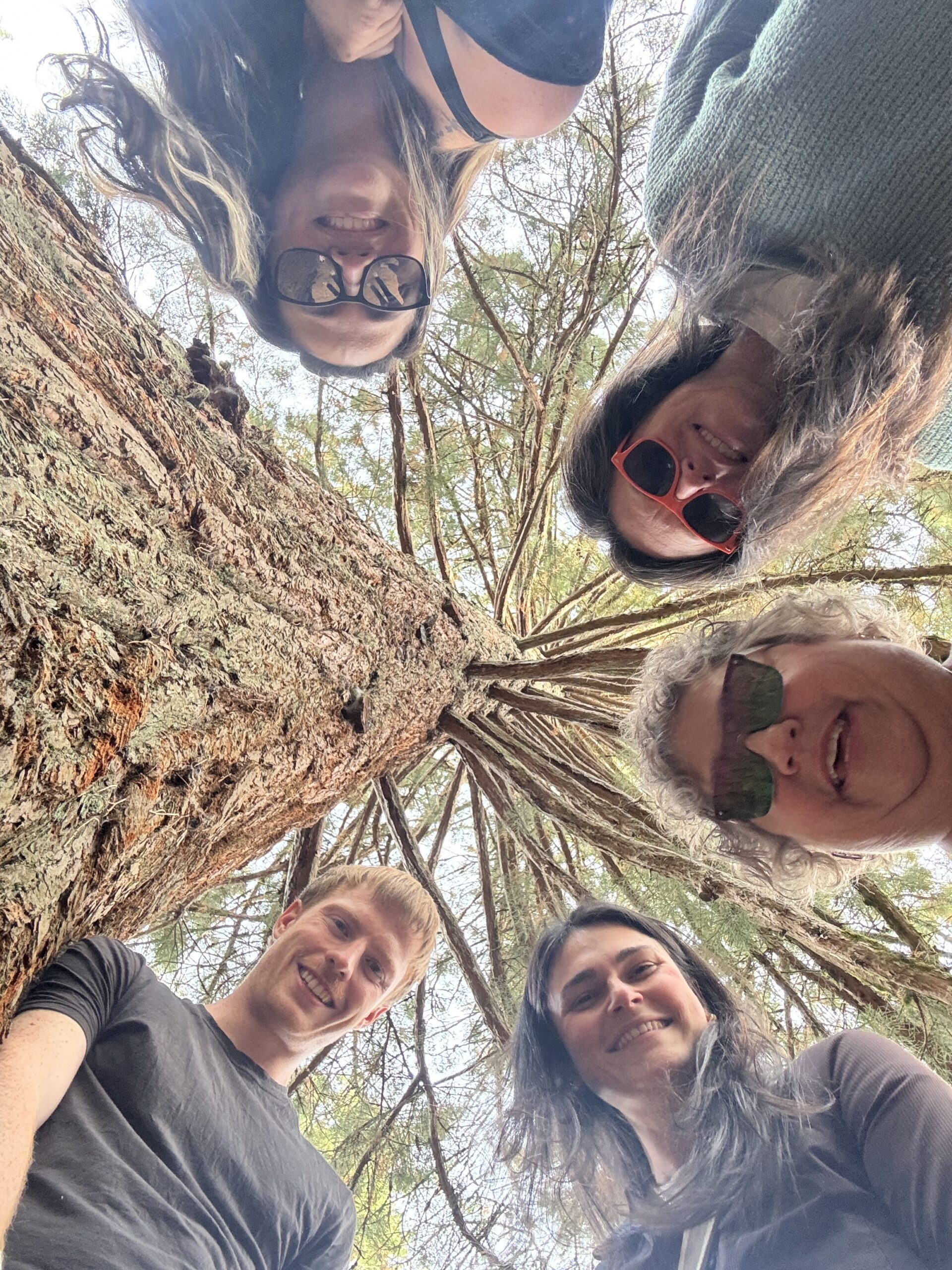
Each practitioner’s voice adds to a chorus of growth, reflection, and shared purpose.
Every day, early intervention (EI) practitioners step into homes and communities to support families with infants and toddlers with disabilities. Our work is filled with connection, curiosity, and the shared goal of empowering families to nurture their child’s unique development. Yet, as anyone who works in EI knows, the work can also be complex, challenging, and sometimes isolating.
That’s where VEIPD Voices comes in.
This blog is a gathering space for EI professionals in Virginia and beyond to come together to reflect, problem-solve, and learn from one another. It’s where we can sit with tough questions, envision new approaches, and take small, meaningful steps toward change in our daily practice. We believe that community is our ground source – a place of connection and renewal that sustains our practice and our wellbeing – and that the collective wisdom of practitioners, family members, and leaders can help us all do this important work better while also caring for ourselves and our colleagues.
Our vision is simple: to use the power of community to improve practice through professional reflection, build a community defined by mutual care, and inspire change within ourselves, our teams, and our systems. Through VEIPD Voices, you might read about a strategy that sparks an idea, a story that resonates, or a perspective that challenges your assumptions, which is exactly the point. Growth happens when we listen and learn together.
We hope VEIPD Voices becomes a space where your experiences, questions, and ideas take root. The best conversations start with curiosity — so tell us what you want to talk about. What challenges are you facing in your work? What topics would you like to explore with others who share your commitment to early intervention? Your voice can spark reflection, inspire innovation, and help us all grow stronger together.
Here are a few challenges and topics that the VEIPD team has on our minds:
- How do EI professionals help families with toddlers who have complex, global developmental delays meaningfully participate in everyday family activities and recognize/celebrate incremental progress?
- How do EI professionals use social emotional screening and assessment to strengthen professional-family partnerships and empower families/caregivers with individualized knowledge and strategies to improve outcomes for young children with delayed or atypical social emotional development?
- How are EI providers and administrators using technology in innovative ways with families, colleagues, and administrative tasks?
- How are EI professionals engaging in mutual care, supporting oneself and one’s colleagues, when the work is complex, challenging, and/or isolating?
Do any of these resonate with you? What is at the top of your list?
Add your thoughts in the comments and be sure to also read and comment on the responses of others — because when we learn from one another, our collective impact grows.
Categories About Us, Early Intervention, Professional Development
Comments
Social emotional development is incredibly important as it shapes the whole child at such a young age. I would love to learn more strategies to encourage the serve and return from families and their babies to help encourage their social emotional development from the very beginning. In the beginning of motherhood it truly feels like survival but these nuerons are firing constantly and making new connections. I really want to be able to teach new parents how to properly engage with their children and set them up for success now and futuristically!
Yes! So, how exactly do you move FROM knowing and believing that social emotional development is fundamental TO having specific strategies for helping families build the interactions/responses that undergird healthy social emotional development. I’ve been thinking about this, too, especially when the caregiver may need help adjusting their learned ways of interacting, holding, or interpreting the baby’s cues/signals. From an SLP and AAC-specialty lens, I’d love to learn more about how you are already supporting families when the infant/toddler has a developmental challenge that may impact serve and return.
Sarah, I agree with you 100%. I too would love to learn new coaching strategies to further assist families in this area of development. Thanks for sharing!
An area that interests me is “How are EI providers and administrators using technology in innovative ways with families, colleagues, and administrative tasks?” As an Early Intervention Service Coordinator, staying on top of administrative tasks helps me to provide excellent service to my families in a timely manner. I would love to learn what other professionals are doing in these areas with technology.
Hi Veronica! Thanks for weighing in with your interests! And, yes – this one is huge more me (Lorelei) – both from an admin perspective (things like writing contact notes) and intervention/strategy/assessment perspective. If anyone is trying out, learning about, or wondering about a specific tool or use of technology, let us know! We are keeping our ears to the ground, for sure!