Embracing interdisciplinary learning and “being bold.”
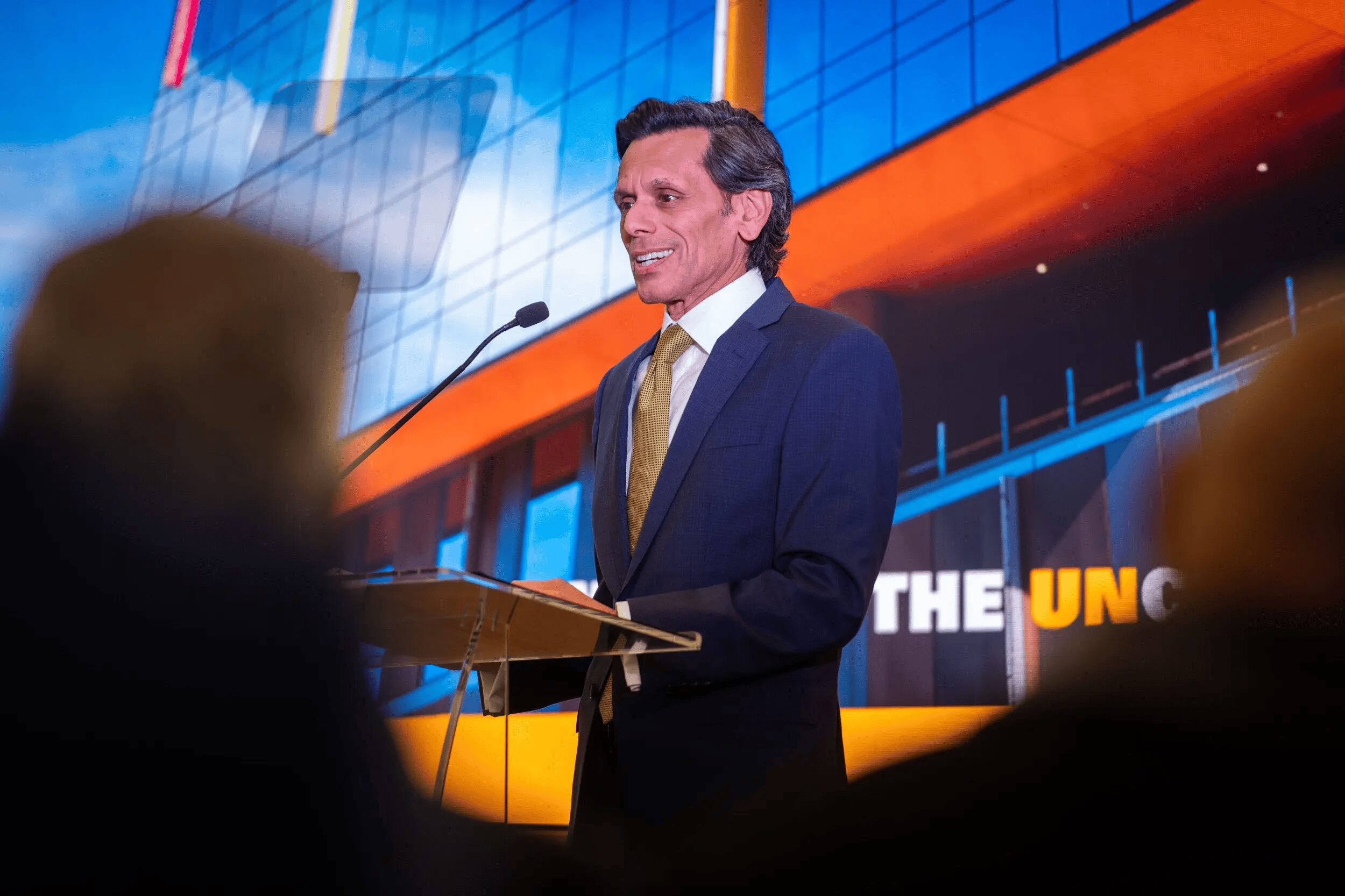
President Rao’s 2026 State of the University demonstrates how Virginia Commonwealth University students are preparing students for an interconnected, ever-changing world.
In his 2026 State of the University address, VCU President Michael Rao challenged the university community to anticipate change rather than react to it. He commanded that higher education must evolve alongside the world it serves and organize itself around the complexity of modern life rather than the traditions of the past.
“Graduates must connect across disciplines, translate across boundaries and lead teams where different experiences are an advantage,” President Rao shared.
Our world is not organized by majors, departments or silos. It is interconnected, fast-moving and shaped by forces that cut across disciplines. From artificial intelligence and public health to entrepreneurship and community resilience, these defining challenges demand collaboration across fields and fluency across perspectives. In this inherently interdisciplinary world, VCU’s approach to teaching, research and innovation must reflect that reality.
This is where academic programs in Interdisciplinary Studies and Innovation play a key role.
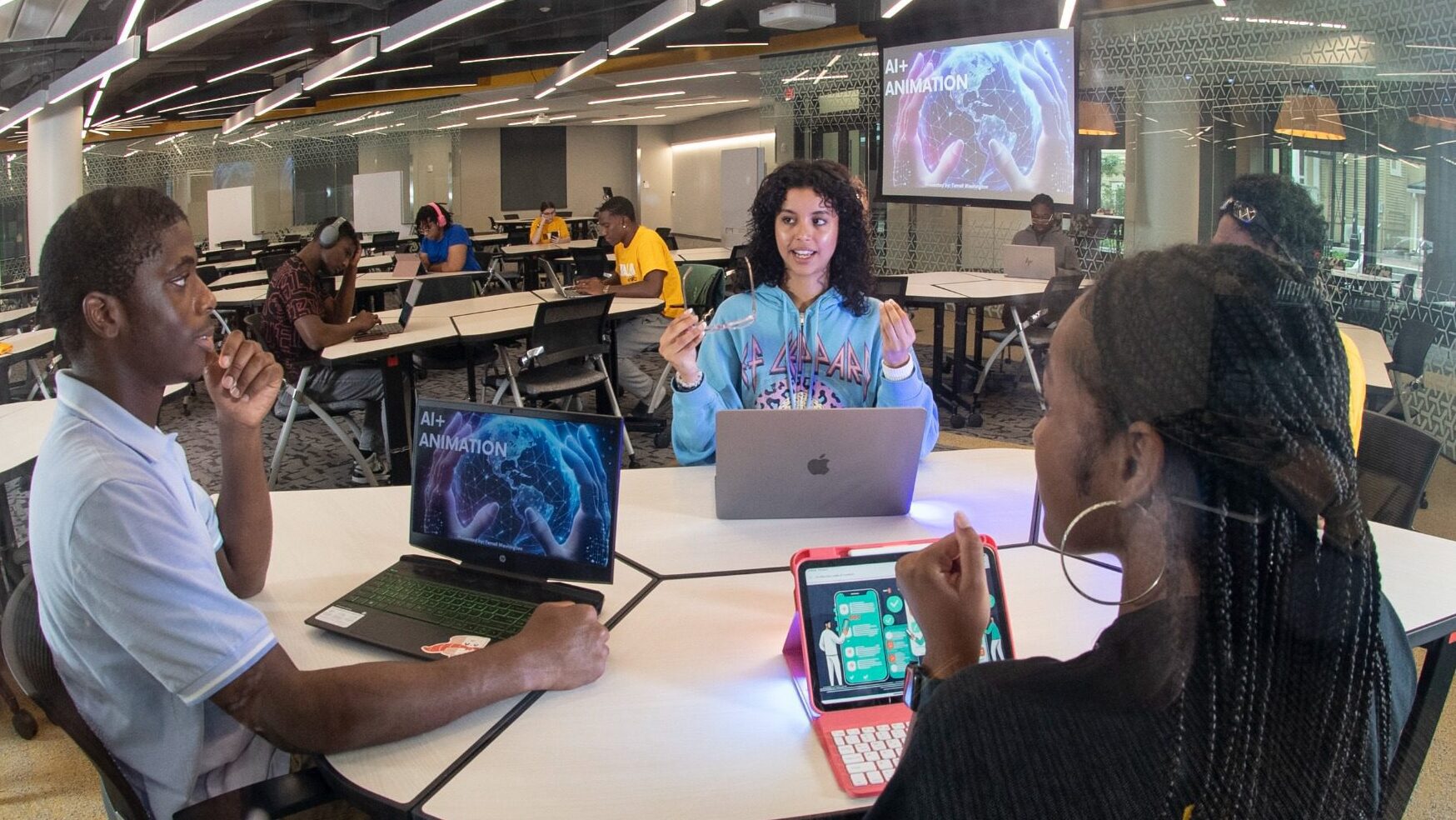
Meeting students where their curiosity begins and preparing them for where the world is going.
President Rao’s vision centers on bold learning, integrated discovery and a sustained commitment to breaking down barriers that limit innovation. “These are big human and societal problems. “ What they are not is ‘one department’ problems,” he said.
Interdisciplinary Studies academic programs are designed to empower students to build a path of study that intersects their unique interests and prepares them for success in their chosen fields in a constantly evolving career landscape. In each program, they build intentional pathways that draw from multiple disciplines, integrating knowledge across areas such as business, technology, humanities, social sciences and the arts. Programs include the Bachelor’s and Master’s of Interdisciplinary Studies, innovation-focused courses open to students across the university, certificate programs in areas such as product innovation and venture creation, and emerging options like the practical artificial intelligence minor.
This approach reflects the shifting nature of today’s workforce. Graduates are increasingly asked to think across systems, adapt to emerging technologies like AI and collaborate with people whose expertise differs from their own. Career paths are rarely linear as industries continue to evolve, and we are poised to see the largest evolution of workforce advancement in generations.
Through interdisciplinary learning and transdisciplinary research, students develop intellectual agility and adaptive experience in solving complex problems. They are encouraged to explore, design, and innovate in ways that reflect both their passions and society’s needs.
Answering the call to be bold
“This is the kind of bold learning students want and the bold discovery the world needs.”
– VCU President Michael Rao
President Rao’s call to be bold is not abstract. It challenges the university to organize around impact rather than tradition and to prioritize collaboration over isolation. Interdisciplinary Studies and Innovation advances that vision by centering integration as the foundation of the curriculum and by connecting students directly to the kind of cross-disciplinary work shaping the future.
As VCU plans for the future of work, our programs demonstrate what it means to move with aspiration and intention. We are equipping students with the tools to navigate change, shape industries and ideas that continue to emerge, and prepare for careers that don’t yet exist.
In a world defined by convergence and complexity, designing education to be interdisciplinary is an opportunity to inspire curiosity, unlock potential and empower students to shape what comes next.
View the complete 2026 VCU State of the University address
Categories UC News