What Happens Between Sessions: How Bird AI Is Reimagining Mental Health Support
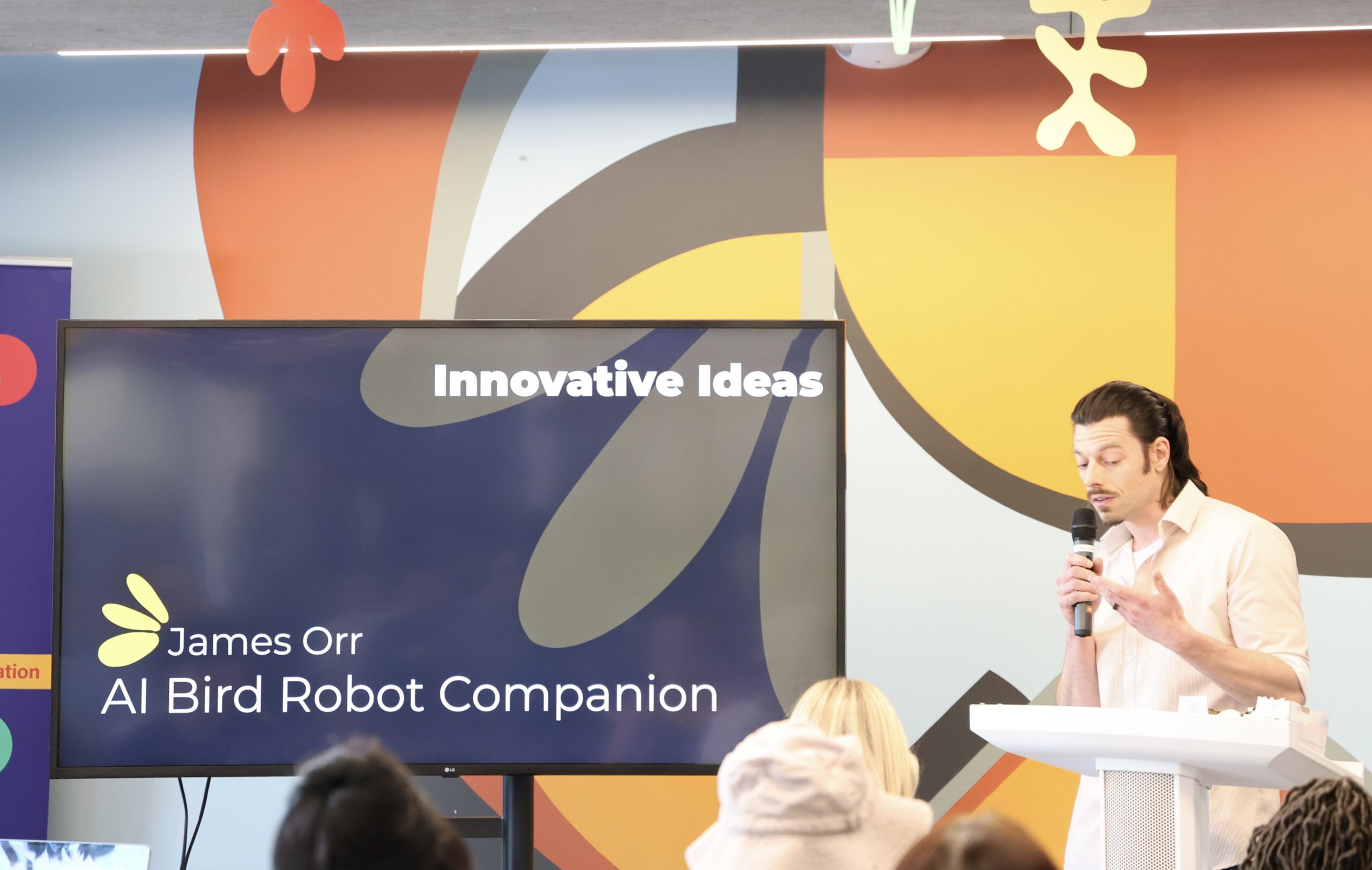
There is a question I have carried with me throughout almost ten years of clinical practice as a therapist: what happens to a person between sessions?
A client leaves the office having made progress, feeling heard, maybe a little lighter. And then life continues. The anxiety comes back at 2am. The hard conversation happens on a Wednesday. The moment of crisis arrives on a Saturday. The next appointment is not until Tuesday.
That gap — the space between professional support and the next time someone can access it — has always felt like one of the most important and underserved problems in behavioral health. It is also the problem that led me to build Bird AI.
Two Careers, One Problem
I came to this project from an unusual vantage point. In addition to my clinical work, I have spent fifteen years as a full stack developer. For most of my career, those two identities lived separately — the therapist and the builder. Bird AI is what happened when I stopped keeping them apart.
Over the course of a year and a half, I designed and built a physical AI companion — a small, expressive robot in the form of a bird — grounded in therapy principles from the ground up. Not technology applied to mental health as an afterthought. A clinical tool first, that also happens to be a piece of technology.
What Bird AI Does
Bird AI is a physical companion that listens, responds, remembers, and expresses itself. It moves its head, shows facial expressions on a small display, and adjusts its tone, pitch, and pace based on the emotional state it detects in the person it is talking with. It builds a relationship over time — remembering names, interests, past conversations — so each interaction feels like a continuation, not a cold start.
Critically, it runs entirely offline. There is no cloud, no internet connection, no data leaving the device. Every conversation stays on the hardware in the room. The system was built to be HIPAA-compliant and private by design — because in a clinical context, trust is everything and privacy is non-negotiable.
The companion has been operational and actively running for over a year. It is not a concept or a prototype in the traditional sense. It is a working system that has been refined through real use.
The Clinical Assessment Layer
Beyond the companion itself, Bird AI includes a clinical assessment component — a separate clinician-facing interface that runs alongside a session. While the bird is having a natural conversation with someone, the system is quietly gathering information across the biological, psychological, and social domains of a standard biopsychosocial evaluation.
At the end of a session the clinician receives a structured report covering presenting concerns, emotional observations, strengths, risk factors, and suggested next steps. The goal is to reduce the documentation burden on clinicians while producing richer, more naturally gathered information than a traditional intake form ever could.
Young people in particular respond differently to Bird AI than they do to standard clinical interviews. There is something about interacting with a physical, expressive, non-judgmental presence that lowers the walls. People share more freely. They stay engaged. They say things they might not say to a person sitting across a desk.
A Journey Worth Sharing
This project has not followed a straight line. There have been launches that did not land the way I hoped. Conversations with institutions that generated excitement and then went quiet. Moments of genuine doubt about whether to keep going.
In April 2026 I had the opportunity to pitch Bird AI at VCU’s Demo Day at Shift Retail Lab — one of the most competitive application pools the event has seen. Standing in front of an audience with a working robot that responded in real time, explaining a problem I have spent a decade living inside as a clinician, was one of the more meaningful professional experiences I have had. It was humbling in the best sense of that word.
I share the harder parts of this journey deliberately. The innovation community tends to celebrate the wins and edit out everything in between. But the in-between is where most of the work actually happens — and where the lessons live. If someone reads this and finds something useful in the fact that a working, patented, clinically-grounded AI companion was built by one person over eighteen months without institutional funding, then it was worth saying.
The SSW Connection
My time at VCU’s School of Social Work shaped how I think about people, about systems, and about what technology should and should not try to do in a clinical context. That foundation is in every design decision Bird AI makes — in the way it listens, the way it responds, and the way it protects the people who use it.
Being featured in the SSW’s 2025 annual report was a recognition I did not expect and genuinely appreciated. The School of Social Work gave me the clinical lens through which I see this work. It only makes sense that the work finds its way back there.
Bird AI is moving toward clinical validation partnerships and real-world pilots with youth-serving agencies. That next chapter is just beginning. I look forward to sharing it.
By James Orr, MSW, LCSW Supervisee | VCU School of Social Work Alumni