VCU-VSU partnership leads to a long-term mentorship program with undergraduate honors pre-med students
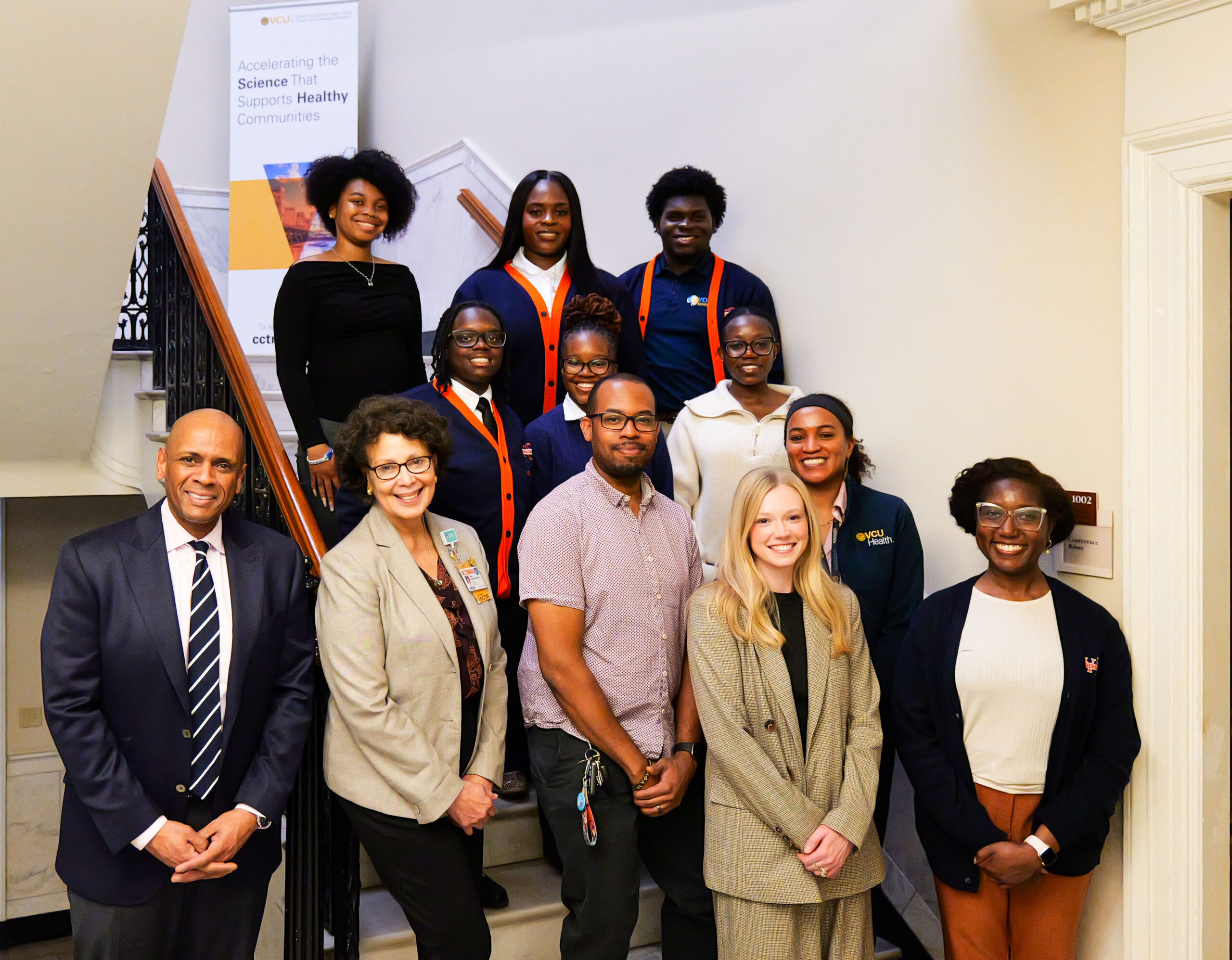
Outside the large windows of the Richmond Academy of Medicine building, home of the Wright Center for Clinical and Translational Research, a steady Friday afternoon rain obscured the VCU Health medical campus. But inside a first-floor conference room at the Wright Center, the atmosphere was bright with ambition.
On March 27, six honors students from the Virginia State University (VSU) Troyals Medical Scholars program traveled from the Petersburg area to the heart of VCU Health. They weren’t there for a standard lecture; they were there to gain hands-on research tools and meet the people they hope one day to emulate.
The event marked a milestone for the mentorship pod at the Wright Center, a burgeoning partnership between VCU and VSU. VSU is a key partner institution in the Wright Center’s Clinical and Translational Science Award (CTSA) from the National Institutes of Health. This collaboration is a core component of the center’s training and outreach programs for regional universities, designed to cultivate the next generation of clinical researchers.
Led by S. Patrick Nana-Sinkam, M.D., Associate Director of the Wright Center, and professor in the VCU School of Medicine’s Department of Internal Medicine, and supported by Brad Williams, MSPH, and VSU liaison Brittany S. Powell, MPH, the program aims to bridge the gap between undergraduate aspirations and professional medical reality.
For Nana-Sinkam, the day was the “culmination of a really new program” designed to give students a longitudinal experience in mentorship. “I consider this to be an investment in our workforce, and ultimately an investment in our patients,” said Nana-Sinkam. “The better the workforce we have, the better care our patients receive.”
“Any of us who’ve had a modicum of success can point to several mentors throughout our careers,” he continued. “We recognize that in order to develop a workforce best suited to serve our community, we need to start very early.”
The Spark: Purpose Over Plates
The day’s journey began with a meal, and shared stories. Over lunch, the VSU scholars sat alongside four faculty mentors for a roundtable discussion that focused on the human side of medicine. The mentors took turns retracing their own steps, offering the kind of candid advice that only comes from years in the field.
The faculty members represented fields from pediatrics to general surgery to anesthesiology and orthodontics–each matched to a student who expressed an interest in pursuing careers in those fields.
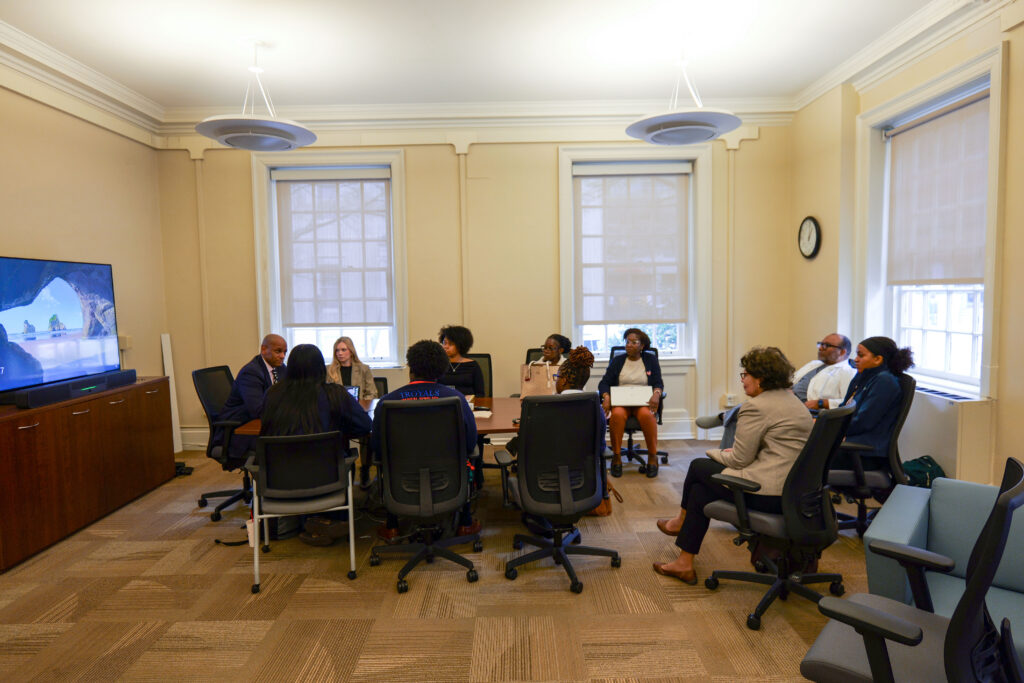
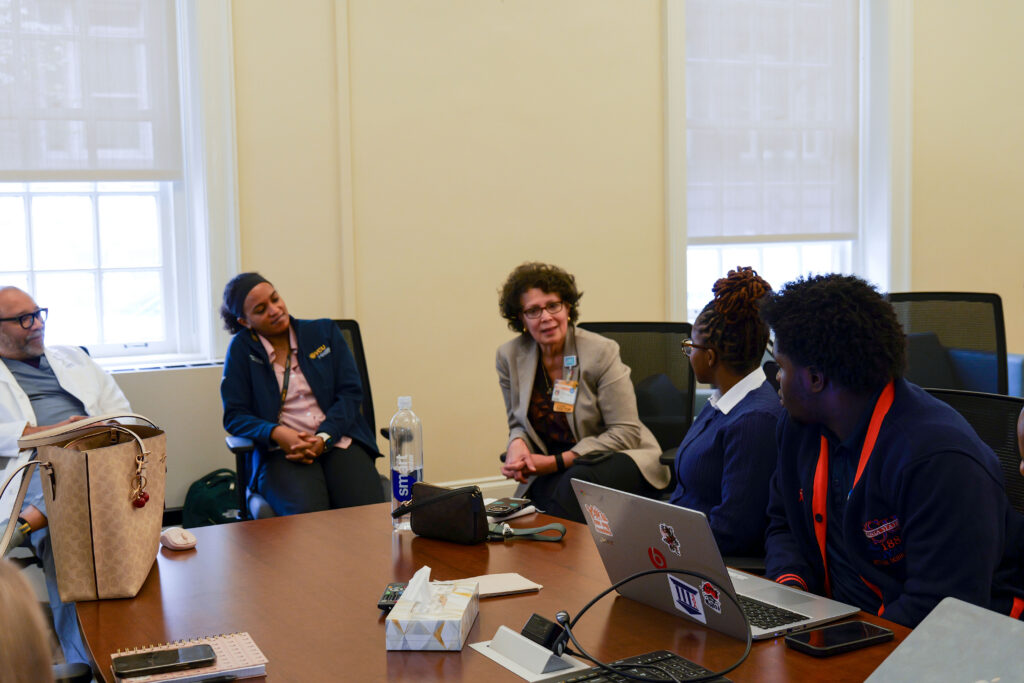
The students were paired with mentors whose expertise aligned with their own clinical interests. Karen Hendricks-Muñoz, M.D., MPH, William Tate Graham endowed chair of the Department of Pediatrics at VCU School of Medicine, Physician-in-Chief at Children’s Hospital of Richmond at VCU and co-lead for workforce development at the Wright Center, mentored a trio of junior biology majors: Chelsey Wireko, Leah Pollard Springer, and Khadijah Thomas.
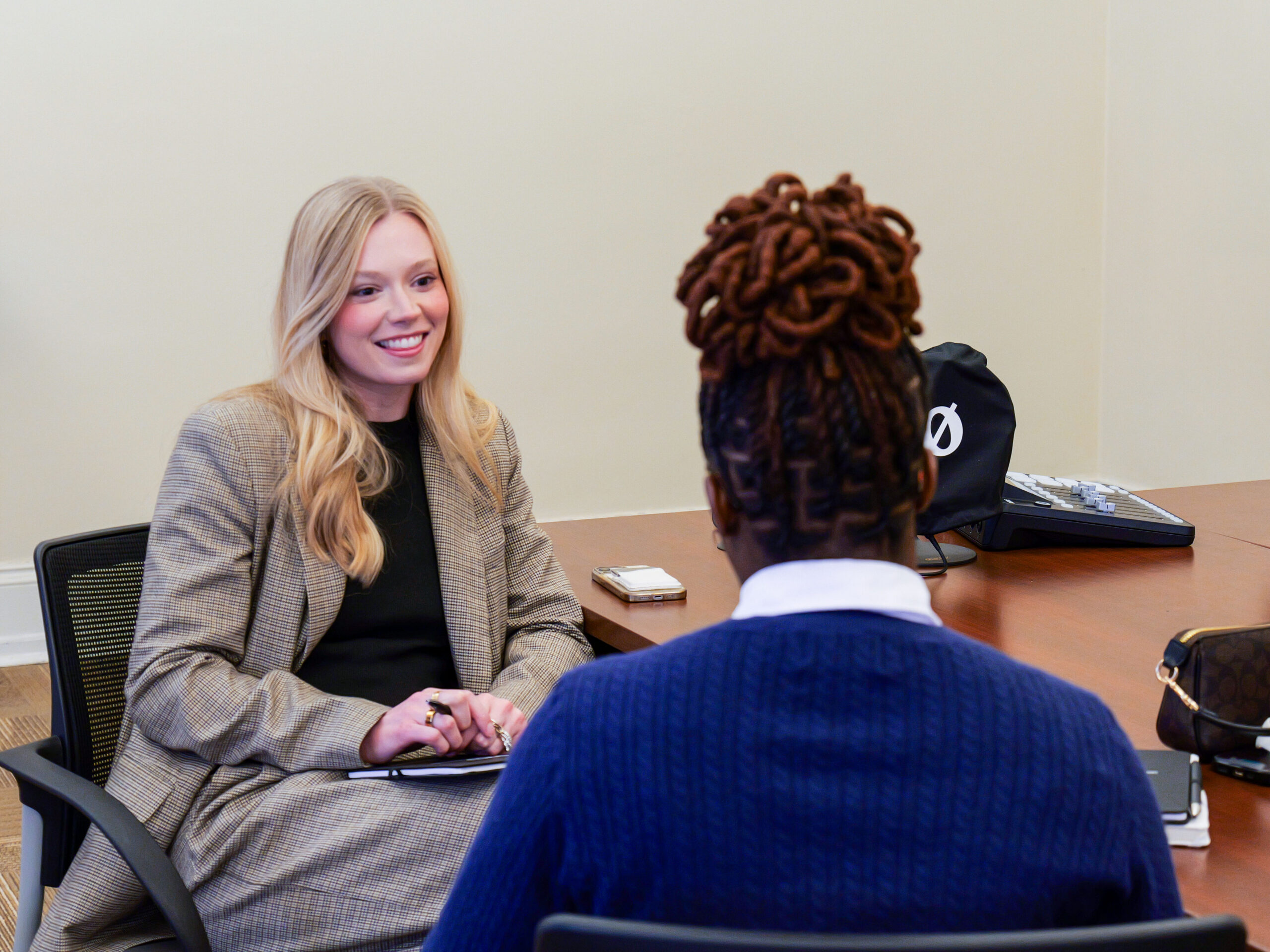
Christina Philips, D.D.S. M.S.D., an assistant professor of orthodontics in VCU’s School of Dentistry, was paired with sophomore biology major Brianna Diaz.
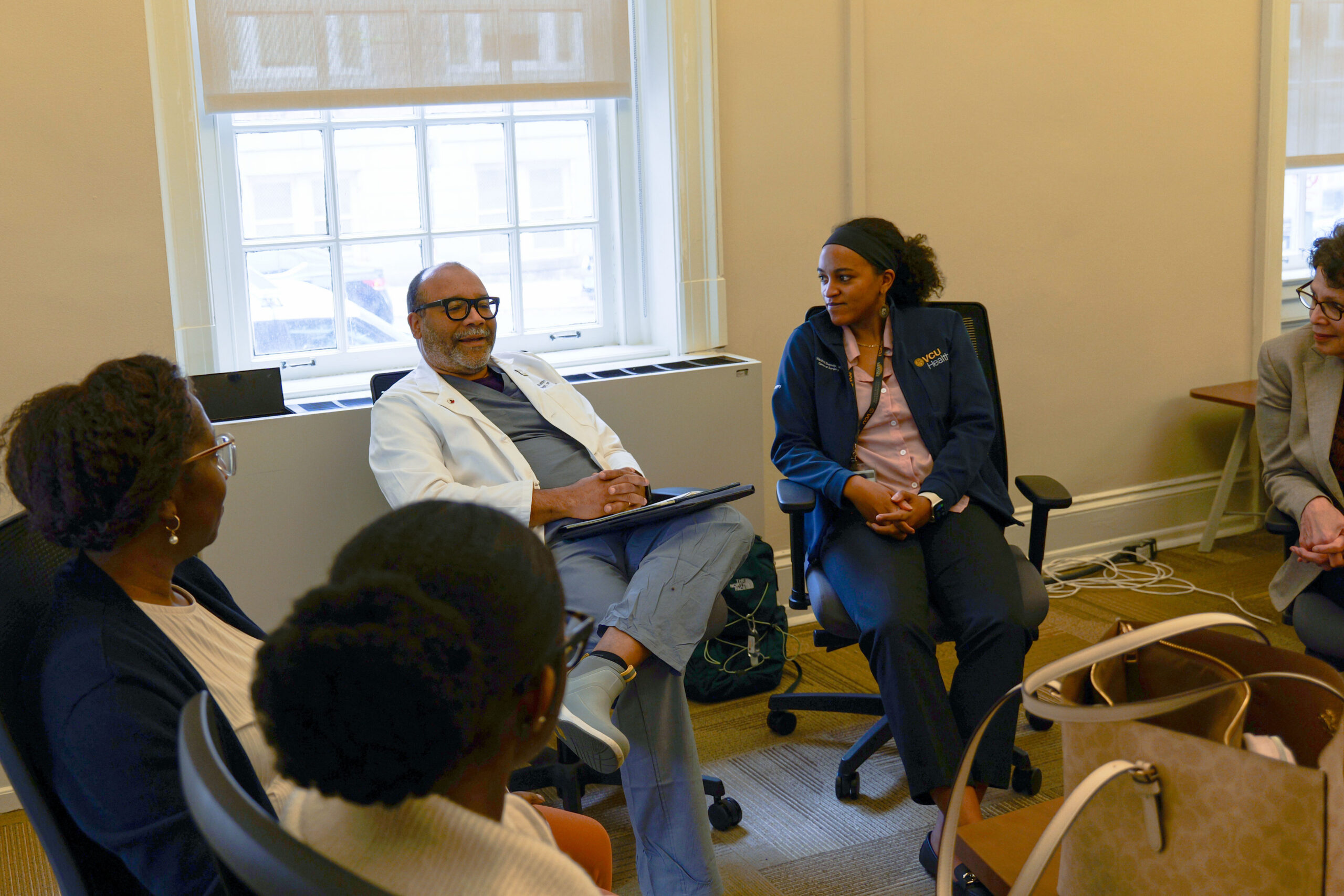
Ronsard Daniel, M.D., Associate Professor and Vice Chair of Clinical Operations in the School of Medicine’s Department of Anesthesiology, served as a mentor to junior biology major Aniyah Shoffner.
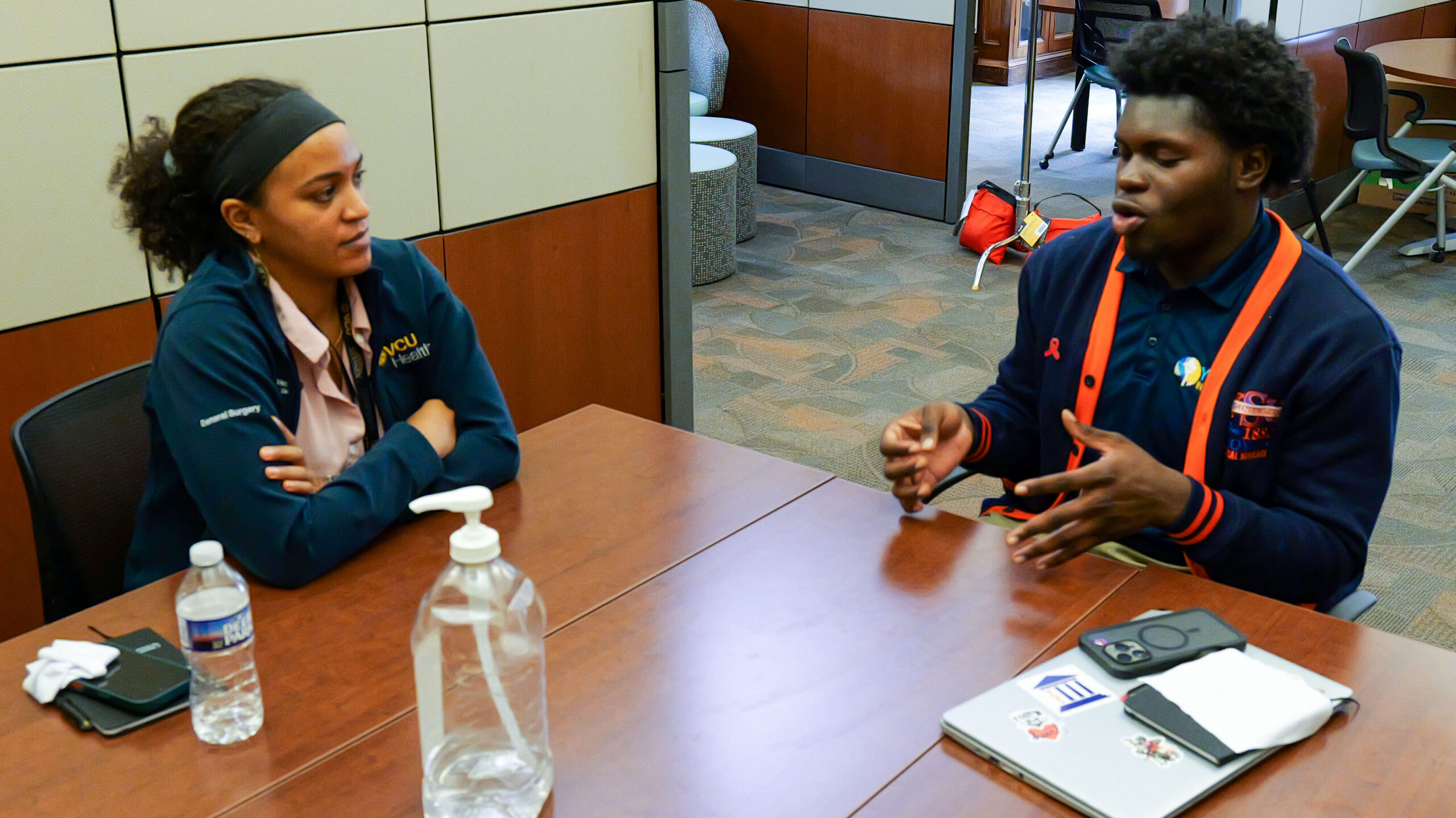
Finally, Vashti Bandy, M.D., a general surgery resident at VCU School of Medicine’s Department of Surgery, provided guidance to senior biology major John Poitier, Jr.
Bandy said that it was important for her to be there and to give back because “I was in these VSU students’ shoes not too long ago. Time flies by, but I remember people giving a helping hand to me, and I just want to do the exact same.” Getting to share her experiences and chat with the students, “it’s really part of what fuels me and grounds me and reminds me of my ‘why’.”
Poitier, who hails from the Bahamas, shared that his conversation with Bandy was inspiring. “She was really wonderful,” he said. Seeing a Black woman doctor persevering and excelling was a powerful sign “that no matter where you’re from and no matter who you are, you can excel.” He shared that he aspires to continue on the track of excellence “that I see in all of the physicians here today.”
Mastering the Tools of Research
After the one-on-one sessions, the afternoon shifted into a deep dive into the high-tech side of modern medicine. Tamas Gal, Ph.D., Associate Professor in the School of Medicine’s Department of Psychiatry, and director of research informatics for the Wright Center, and Alex Brunfeldt, Ph.D., Senior Informatics Research Data Analyst, led an intensive session on TriNetX—a powerful tool that medical researchers at VCU and other institutions use to explore de-identified (HIPAA-compliant) patient data, improve study design, and enhance clinical trial recruitment.
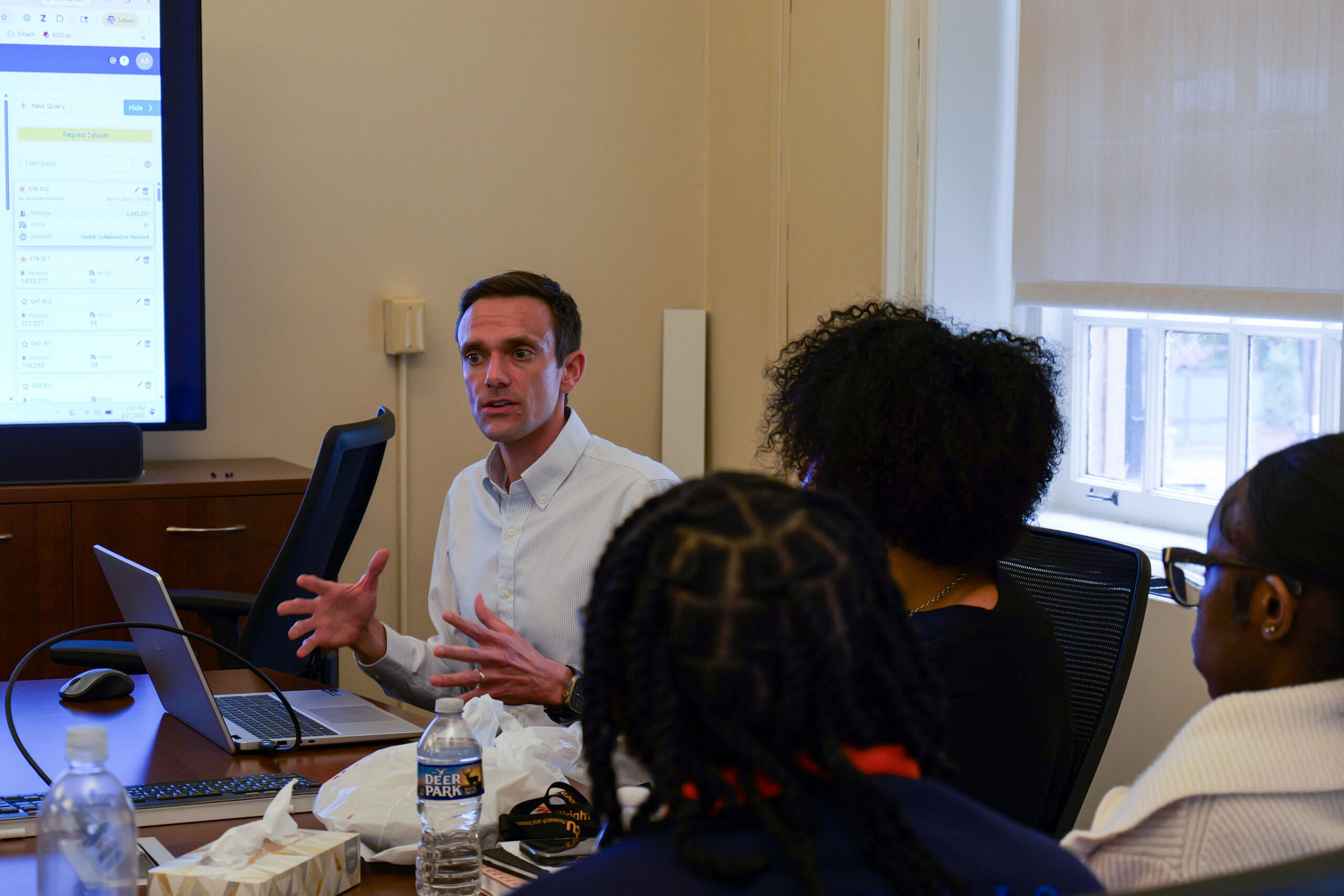
Brunfeldt chose to focus on showing the students a subset of data around patients at risk for hyperlipidemia (also known as high cholesterol).
For the students, seeing how big data drives patient care was a revelation. “This was actually my first time being able to see exactly what the database looks like,” said Aniyah Nicole Shoffner, a junior biology major at VSU, who hopes to focus on anesthesiology. Shoffner said it was a great opportunity to learn how the database can filter for different risk factors, and it was eye opening seeing all of the different possibilities for research just within TriNetX. And “now I want to go get a lipid test,” she added with a laugh.
Finding the ‘Why’
The students’ “why” was a recurring theme throughout the afternoon. Shoffner spoke about the profound responsibility of her chosen path, anesthesiology. “You meet patients on the day something traumatic has happened to them. You want to make them feel as comfortable as possible going into general anesthesia,” she said.
For Khadijah Thomas, a junior from Chester, Pennsylvania, her “why” is rooted in early intervention, and her own experiences suffering multiple strokes as a child. Aspiring to be a pediatrician, she wants to change the narrative of healthcare for children of color. “If you’re eight or nine and you’re learning the doctor’s office is a safe place… when they become 60 and 70, there’s no fear to go to the doctor,” Thomas explained.
As the session wrapped up, the rain hadn’t let up, but the path forward seemed much clearer. For Thomas, having the opportunity to come to VCU and meet with faculty mentors has made her drive to become a pediatrician a lot deeper. “I’m one of those students who will take every opportunity you give me,” she said. “And I won’t take it for granted.”
Categories Mentorship, Translational Workforce Development