STUDENT ACCESSIBILITY AND EDUCATIONAL OPPORTUNITY NEWSLETTER FALL 2025
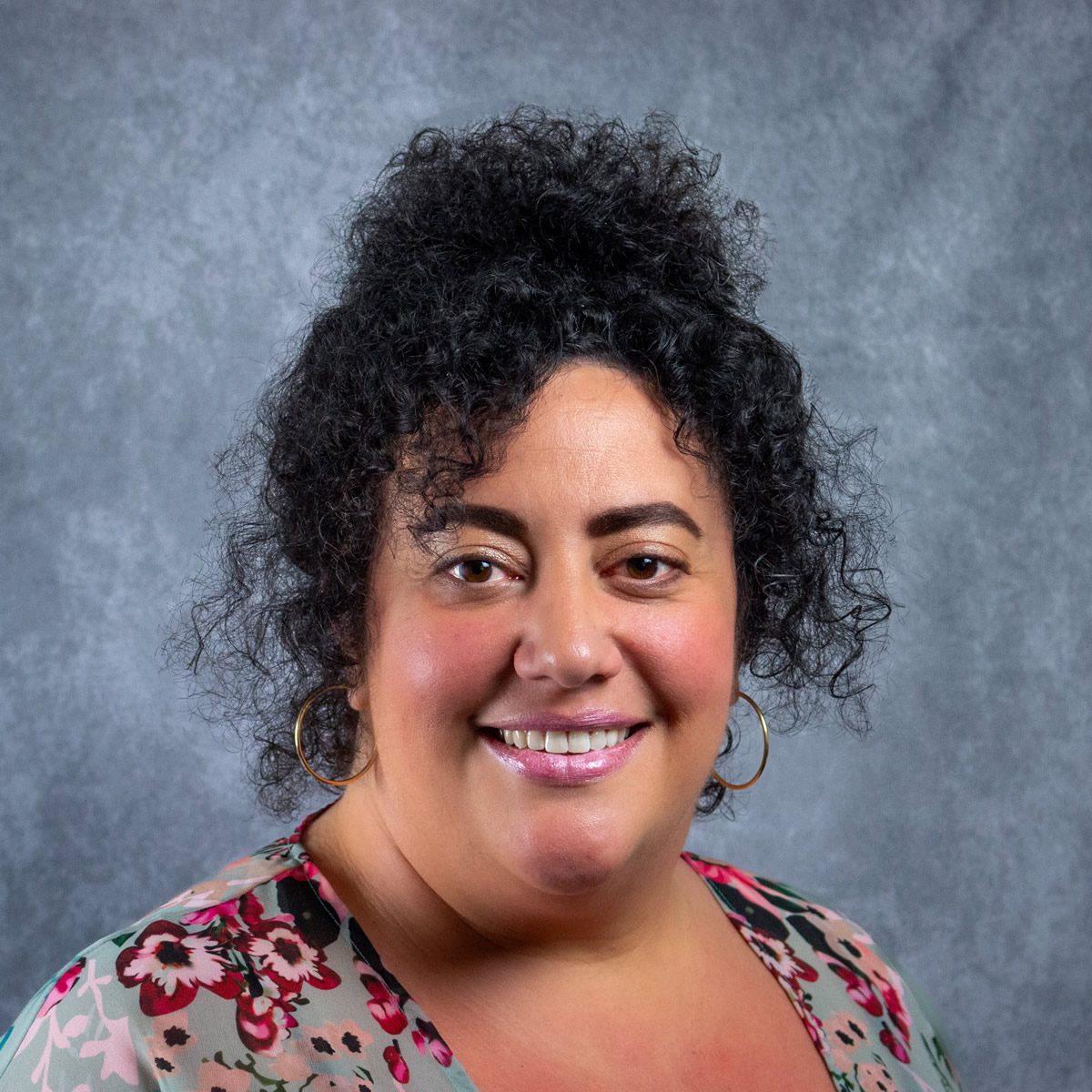
INTRODUCTION TO THE DIRECTOR OF SAEO
Erin Braselmann joins the Division of Student Affairs as the new Director of Student Accessibility and Educational Opportunity. Erin comes to VCU from her most recent role as Dean of Accessibility and Disability Resources and Lecturer in Human Rights. Erin’s career in higher education has focused on accessibility and student support for over 15 years, with recent roles held at Bard College and Yale University. She is looking forward to continuing her career supporting accessibility and accommodation efforts throughout VCU.
ACCOMMODATION LETTERS AND TESTING UPDATES
SAEO is now using AIMS – a new data management system that will be taking the place of Accommodate. With this implementation comes changes for faculty regarding Accommodation Letters and Testing Accommodations.
- Accommodation Letters: The biggest change is that the AIMS system allows students to send letters directly to faculty via the student’s current SAEO case manager, which will allow you to communicate directly with that person. Students are still expected to initiate discussions with faculty regarding accommodations. Faculty will still be able to log-in to the system and view current accommodation letters.
- Testing Accommodations: At the beginning of each semester, we ask that you complete the SAEO Course Instruction Form for each of your courses (see How-to-Guide). AIMS allows testing staff to have greater control over test scheduling; this should mitigate students scheduling exams at the wrong date and time.
Please feel free to email [email protected] or [email protected] with questions about the new system.
ACCESSIBILITY TIPS FOR FACULTY
We encourage faculty to strive toward a more inclusive classroom environment for students with disabilities by thoughtfully considering classroom policies. Some examples:
- Technology Use in the Classroom: Do you have a classroom technology policy? If so, that may affect students who need to utilize technology for disability-related purposes. We suggest that faculty avoid a statement indicating the only exception to a no-technology policy is through a SAEO accommodation. Having other avenues of exceptions beyond a SAEO accommodation may help protect a student’s privacy and disability status that may otherwise be unknown.
- Notetaking: Our office provides notetaking assistance for students with disabilities who qualify for assistive technology or peer notetakers. Potential considerations for faculty:
- Have you considered building in notetaker roles for students throughout the semester to build class engagement and provide additional notes for all?
- Are students expected to be taking notes during discussion-based classes? If so, stating this may be useful.
FACULTY TRAINING
For in-depth training on SAEO processes and procedures, or accessibility and disability accommodations in general, please contact Dr. Brandi Levingston, [email protected].
A NOTE ON CASE MANAGEMENT
Students who share their accommodation letters with faculty will be working with a specific SAEO case manager. Accommodation letters are initiated by the student, but they will be sent from their specific case manager. If you have any questions about the specifics of a student’s accommodations, the best point of contact will always be the case manager. If you anticipate that a specific accommodation may be challenging to implement in your course, or may fundamentally alter its learning objectives, we encourage you to reach out to the student’s case manager directly to collaborate on balancing academic requirements with access. Below are our current case managers:
Chris Parthemos (A-C): [email protected]
Brandi Levingston (D-G): [email protected]
Cedar Smithson (H-L): [email protected]
Sydney Harris (M-R): [email protected]
Ariya Sharif (S-Z): [email protected]
Categories Fall 2025 - Spring 2026