Research
My Current Interests focus on water quality issues affecting streams, lakes, rivers and estuaries.
We are carrying out long-term monitoring of Richmond’s urban streams, including Reedy Creek, Gillies Creek and Broad Rock Creek, to assess water quality issues and potential for restoration. The key water quality issue in these streams is high levels of E. coli originating from human sources. We hope to document the recovery of these streams as the City of Richmond implements various mitigation activities including installation of green infrastructure and removal of combined sewer overflows.
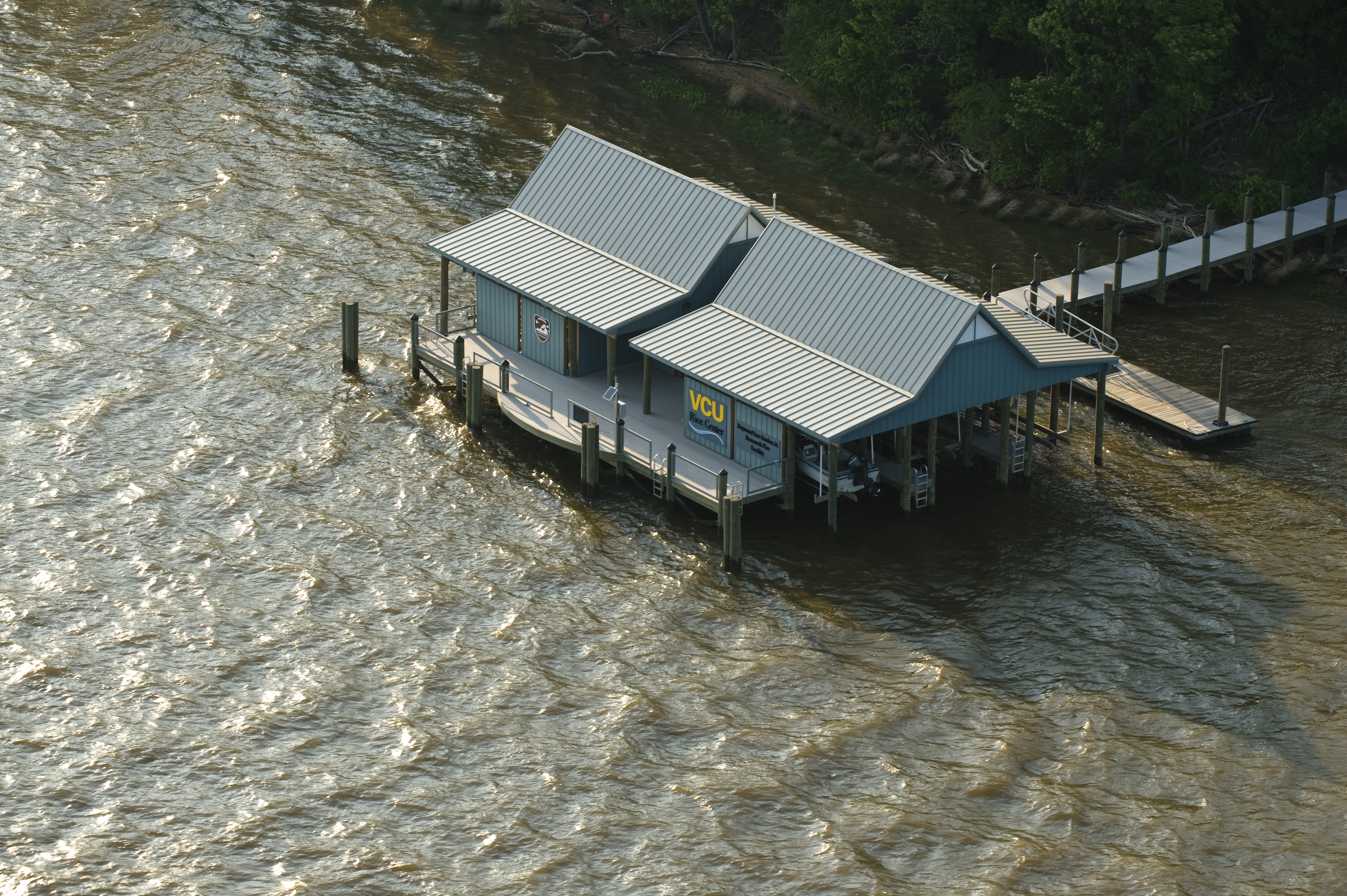
We are also carrying out long-term monitoring (since 2010) of the tidal freshwater segment of the James River Estuary, which extends from the City of Richmond to the confluence with the Chickahominy River. Water quality issues in this segment of the James include elevated levels of E. coli downstream of the Richmond metro area and persistent algal blooms in the area near VCU’s Rice Center. Our monitoring takes place from shore and by boat on a weekly basis during May-October and every two weeks the rest of the year. We hope to document reductions in bacteria and algae as upgrades of the Richmond wastewater treatment plant reduce sewer overflows and nutrient inputs to the James.
I am also working with colleagues at the Klaipeda University Marine Research Institute to better understand the effects of eutrophication and prospects for recovery in estuarine waters. The Baltic Sea and Chesapeake Bay have both experienced eutrophication as excess nutrient inputs have caused algal blooms. In fresh and brackish waters, these blooms are often dominated by cyanobacteria, which are capable of producing toxins such as microcystin. Our work has documented the occurrence of microcystin in food webs including fish, shellfish and emerging insects.
Background:
In my early career I studied the effects of acid rain on plankton communities in Adirondack (NY) lakes. The Adirondack region is a wonderful area for a limnologist. I participated in a number of studies that involved lake surveys as well as whole-lake restoration experiments. Lakes in this region are now recovering from acidification and it has been fascinating to witness these changes.
After moving to the University of Louisville I began working on flowing systems (streams, large rivers and river impoundments) in the Midwestern United States. Since joining the faculty at VCU I have become involved in studies of tidal freshwaters. The VCU Rice Center provides excellent facilities for investigating ecosystem processes in the James River Estuary and the tidal tributary Kimages Creek.
Click on projects below to learn more:
- James River Study –understanding the role of algal blooms in regulating nutrient retention and supporting higher trophic levels.
- Restoration of Kimages Creek – measuring the nutrient retention capacity of a restored tidal stream.