Alumni Spotlight: Heather Saunders, Ph.D. ’21
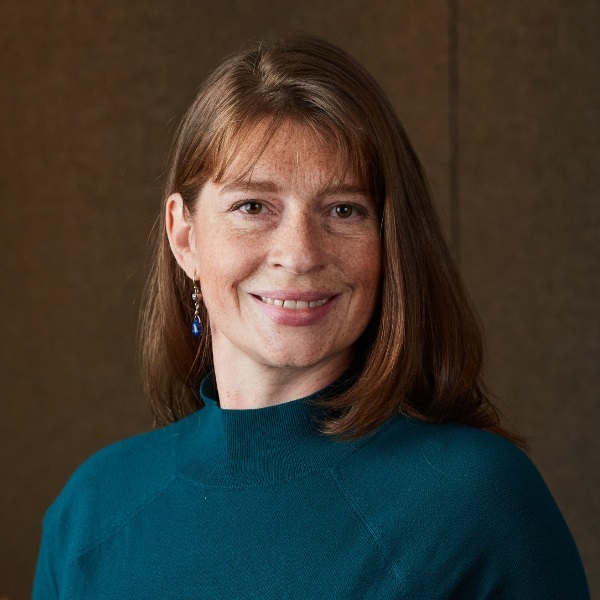
Heather Saunders, Ph.D. ’21, is an alum of the Healthcare Policy and Research Program within the Department of Health Policy. She’s currently working as a Senior Research Manager for KFF, a non-partisan non-profit organization that conducts its own research, polling, and public health information campaigns. Saunders has an extensive research background, dating back to well before she received her Ph.D., much of it conducted here at VCU. In fact, it was her work with Department of Health Policy founding chair Cathy Bradley that led her to join the program as a Ph.D. student in the first place. Her work in applied health policy is based in informing the conversation around healthcare and health policy with information that’s backed by research and easily understood and implemented. Inspired by her interest in social justice, Dr. Saunders enjoys the fact that the work she does has a clear impact on the issues affecting healthcare and health policy in the present moment.
What originally led you to the field of health policy?
I’ve taken a bit of a more winding path than most students. I’ve always had an interest in social justice, health care, and in mental health and substance use disorder issues. A lot of the interest around that stems from observing a lot of people in my life, and myself to a certain extent, experiencing behavioral health needs and not knowing where to go or being able to find help. As part of that, I decided that I would go into social work. So I have a Master’s degree in social work, and had done a fair amount of research before that. I was actually research coordinator for a few R01 studies. When I transitioned into social work, I was working in the field, and realized that even though I can be there with people, which is a wonderful gift to be able to give to others, there were structural issues that kept me from being able to contribute in the way that I wanted to. So I went back to research, and one of the studies I ended up working on was with Cathy Bradley, who actually formed the Department [of Healthcare Policy and Research, now the Department of Health Policy]. That [research] brought me into the space of policy.
Prior to that, I had a vague idea of what policy is, what its role is – I knew all the things you learn in high school and the general overview you get in college, but didn’t really have a good sense of it. So then I started to get my feet wet, started to get a little deeper into the policy space, and into the intersection of research and policy, and how complex and fascinating it was. That’s what eventually led me to the HCPR program, where I stopped working as [Bradley’s] project coordinator in 2016, and transitioned straight into the program. And it’s funny how you don’t know what you don’t know. I didn’t realize how good a match it would be for my interest and skills until it started, and that continues to be the case as I progress in my career.
That makes sense. I know that before you were a Ph.D student here, you worked as a research coordinator here, but was that always on projects that related to the things you ended up studying?
For the most part, although it wasn’t intentional. It just lined up that way. Actually, that’s not entirely true – when I got started, the first studies that I worked on were working with literacy, understanding how kids read and what helps with cognitive flexibility to help with reading. That was in my undergrad. Then I transitioned into doing visual cognition – how we see things, and how we interact with our environment. So those are in a separate bucket, but that gave me the experience to transition into working in mental health, to a certain extent. I did some work with type one diabetes in teens – I was the study coordinator for that. I then worked on type 1 diabetes in young kids, which came in handy, because one of my kids was diagnosed with type 1 diabetes a few years later, so I knew the warning signs. Then I moved into other things that were either related to policy or related to mental health in some capacity.
I know you’re with KFF now – how did your education in the HCPR program prepare you to transition into your current role?
All of the classes, especially the research classes, were helpful and came together to provide a foundation for me. I was in this very hands-on role doing data analysis – doing the research, pulling things together, and raising them to a high enough level to be translatable to a general audience. But one of the pieces that was most helpful was probably my GRA experience with Dr. Cunningham, where we did work with Medicaid, and evaluated Medicaid programs. That gave me such invaluable hands-on experience in working in the intersection of these spaces – which is to a certain extent where I am now, though it’s a bit different – where I have the opportunity to learn about applied policy-making. How to think about it, how does research intersect with it, and also the intersections for federal policy-making and how they work with state policy. So it was a really cool and invaluable experience. I don’t think most people are lucky enough to have that level of interaction and gain such an understanding at this point in their career. At that point in my career anyway.
I know what you mean, I’ve learned a lot just from taking minutes in some of those meetings.
Yeah, it’s this whole new world that you didn’t even realize operated to keep things moving, with mechanics you don’t really appreciate or understand until you’re in it. Dr. Cunningham was wonderful in that he opened the door and allowed me to participate in this process as a collaborator in a lot of ways. I gained a lot from that experience.
What do you like best about what you’re doing right now? What do you find most rewarding about it?
What I really like about what I’m doing right now is that I get to take an issue that is being discussed at federal or state levels and do data analysis on it, then pull together what is known and the data work from whatever I’m analyzing – whether it’s Medicaid claims data, CDC WONDER data, or a whole host of national surveys – and use that data to inform the conversation. For most people, [these topics are] very difficult to wrap your head around and understand. Often, until I get into these things, there’s a lot of things that I’m learning along the way too. Then I’m taking my learning and applying it in a way that I wrap everything up, distill the most important parts, and give it back to the public, policy makers, the media, or whoever’s looking, and provide a resource to help them understand, so they can make better decisions. So that’s super rewarding, because I can feel the impact of my work in that it’s informing things that are current. Since I don’t like super-delayed gratification, that works for me.
That makes sense. I read the abstract for your dissertation (“Access to Behavioral Health Services: Supply, Coverage, and Health Insurance Literacy”), and you were talking about how low health care and health insurance literacy hurts utilization of services, and I can see how what you’re doing now fits with what you were studying when you were here, so that’s pretty neat.
Yeah, I appreciate that you noticed that! Yeah, I think the more work people have to do to access information or understand something, the more barriers that creates. Health insurance literacy can be from the patient side, to a certain extent, or it can be from the provider or the system side, where this information is just simply difficult. People carry a lot in their day to day lives. If it’s difficult to understand, it’s less successful, and it’s less used.
What would you, from your current perspective, tell students in the HCPR program today? What advice would you give them?
This is so tough because right now is a period of so much uncertainty. What I would say now is a lot different than I would have said even a year ago. I guess I’d say there are so many tools available now to grasp what is being taught, and to work hard to make sure that when they leave the program, their foundations are solid in terms of methods and policy basics. If they have an interest in applied policy work, start to seek opportunities to make connections and get some hands-on experience with the applied aspect, even if it means volunteering their own time. Because the time they put in on that end will definitely pay off in the long run.
What do you know today that you wish you knew when you started the HCPR program?
It’s really just what I said before. I wish I’d had a more thorough understanding of certain parts of policy and how they work. And also some of the methods, but I’m not sure you should put that in there. [laughs]
I mean, hopefully they’ll learn them if they come in not knowing them. People know different things when they arrive in the program. As I’m sure you’ve seen!
Oh yeah, absolutely. And while I had to continue to build on that after I left, what I did have a lot of experience in was the applied side of it. Where you’re not strongest on one end, you’re forced to grow in those other areas when you leave. There may be no way around that, I don’t know.
Outside of your day-to-day work responsibilities, what are your hobbies, pastimes, and passions? What do you get into in your spare time?
I have three boys, so my time is spent pretty much hanging out with them and doing what they want to do. We’re going down to Florida soon for a road trip, so that’s fun. Doing fishing and exploring… I don’t know. They keep me busy. There isn’t much time for anything else. [laughs]
That’s all my questions – was there anything else you wanted to talk about that we haven’t addressed already?
No, but thanks for doing this. If there’s ever a student that has an interest in moving in the applied space, feel free to connect them with me.
Categories Alumni news