
INVITED SPEAKERS
KEYNOTE SPEAKER
Excellence in Cannabinoid Research Early Stage Investigator
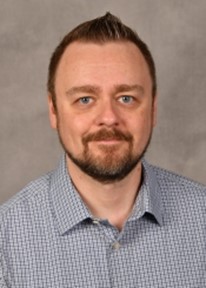
Dr. Thomas Gamage, Assistant Professor, Department of Neuroscience and Physiology, SUNY Medical University
Dr. Gamage earned his PhD in Pharmacology and Toxicology at Virginia Commonwealth University with Dr. Aron Lichtman. He received postdoctoral training in the laboratory of Dr. Mary Abood at the Center for Substance Abuse Research, Lewis Katz School of Medicine. He then did a second postdoctoral fellowship at RTI International with Dr. Brian Thomas, where he rose to the rank of Research Pharmacologist 2. He is now an Assistant Professor in the Department of Neuroscience and Physiology at SUNY Upstate Medical University. The International Cannabinoid Research Society (ICRS) recently recognized Dr. Gamage with the 2024 ICRS William A. Devane Early Career Award for his dedication and excellence to cannabinoid and endocannabinoid research, and exhibiting the potential to become a leader in the field of cannabinoid or endocannabinoid research. Dr. Gamage has an excellent record of scholarship and extramural funding that includes being a PI on R01 and K01 grants. The Gamage Laboratory investigates G protein coupled receptor (GPCR) signaling as it relates to the neuropharmacology of addiction. They primarily study the cannabinoid type-1 (CB1) receptor, through which the primary psychoactive constituent of cannabis, delta-9-tetrahydrocannabinol, produces its psychotropic effects. CB1 is highly expressed throughout the brain, including regions important for reward and emotional processing, two key systems involved in addiction. The Gamage laboratory uses in vitro and in vivo techniques to study how novel small molecules interact with these receptors to modulate endogenous cannabinoid signaling and promote signaling bias. An ultimate goal of this work is to develop pathway-focused therapeutics with minimal side effects.
PLENARY SPEAKERS
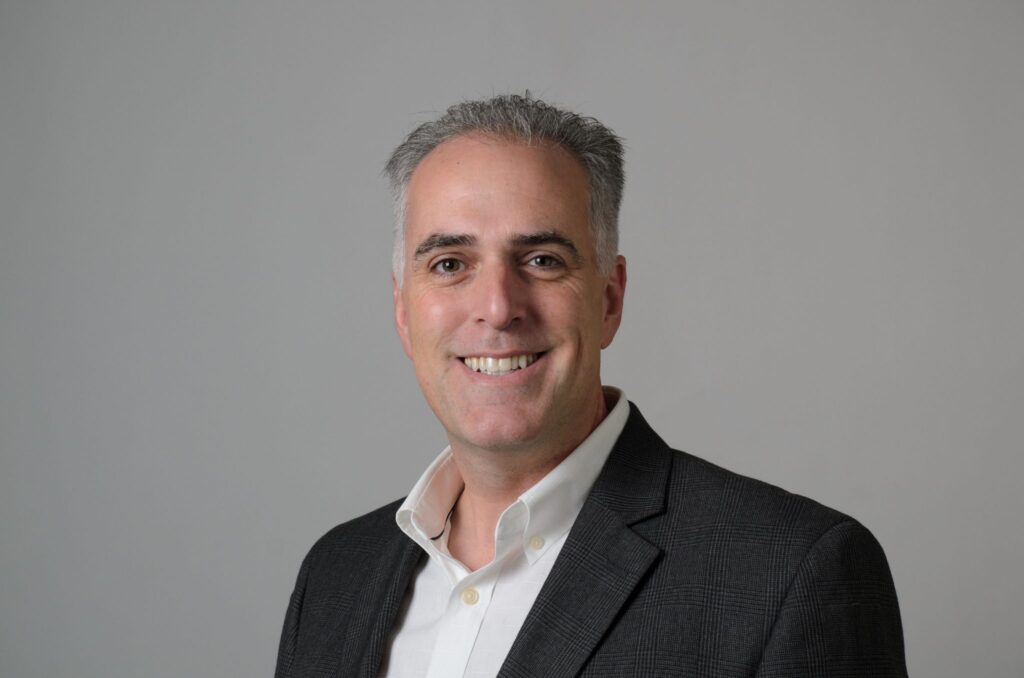
Dr. Steven Kinsey, Professor of Nursing and Director of the Center for Advancement in Managing Pain, University of Connecticut.
His research focuses on cannabinoid modulation of pain, stress, and inflammation, and has been continuously funded by NIH for over a decade. His recent work using novel pain-depressed behaviors to measure functional deficits caused by inflammatory arthritis was published in the Journal of Pharmacology and Experimental Therapeutics. He is an advocate for promoting high-quality cannabinoid science and currently serves as Executive Director of the International Cannabinoid Research Society.

Dr. Elise Weerts, Professor in the Department of Psychiatry and Behavioral Sciences, Johns Hopkins University School of Medicine.
Her research is part of the preclinical Division of Behavioral Biology (DBB) the Behavioral Pharmacology Research Unit (BPRU) for clinical research. She is co-Director of the BPRU T32 post-doctoral training grant. Dr. Weerts has over 25 years of experience conducting behavioral pharmacology, drug pharmacokinetics, and neuroimaging (PET) research to increase our understanding of brain – behavior relationships and advance medications development. She has been continuously funded by the NIH since 2001. Cannabis and cannabinoids are a main focus of her current research. She has conducted multiple behavioral pharmacology studies in both animals and humans comparing the effects of cannabis and its constituents administered via different routes of administration and with assessment of sex differences and drug pharmacokinetics/pharmacodynamics. Dr. Weerts has refined and validated methodologies for rodent THC vapor exposure using e-vape technology with concurrent pharmacokinetic analyses to establish parameters for THC vapor exposure sufficient to produce significant plasma concentrations of cannabinoids in rats that were comparable to those in human laboratory studies. She has served as President of the College on the Problems of Drug dependence (CPDD), and the International Study Group Investigating Drugs As Reinforcers (ISGIDAR) and is currently on the Editorial Boards for several journals including Addiction Biology, Pharmacology Biochemistry and behavior, and Experimental and Clinical Psychopharmacology.
BANQUET SPEAKER

Dr. Michelle Peace, Professor in the Department of Forensic Science and Department of Pharmacology and Toxicology, Virginia Commonwealth University.
Dr. Peace’s research program addresses knowledge gaps pertinent to forensic toxicology issues, from the impact of vaping ethanol on roadside impairment tests to emerging THC analogs in the unregulated cannabis marketplace. Dr. Peace is a Past President of the Society of Forensic Toxicologists and is a member of The International Association of Forensic Toxicologists and is a Fellow in the American Academy of Forensic Sciences. She is a member of the National Safety Council’s Alcohol, Drugs, and Impairment Division. She has provided testimony and opinions to develop scientifically relevant and robust policy and legislation at the state and federal levels, and she consults with companies and school systems as they re-develop smoking policies to include vaping. She has been featured in the New York Times, Consumer Reports, CNN, and AARP. The American Chemical Society and Discover Magazine featured her and her research in 2018 and 2019 as some of the most timely, interesting, and influential research in the nation. She was nationally recognized for Excellence in Teaching and Mentoring by the Society of Forensic Toxicologists and VCU’s College of Humanities and Sciences as a Distinguished Mentor.